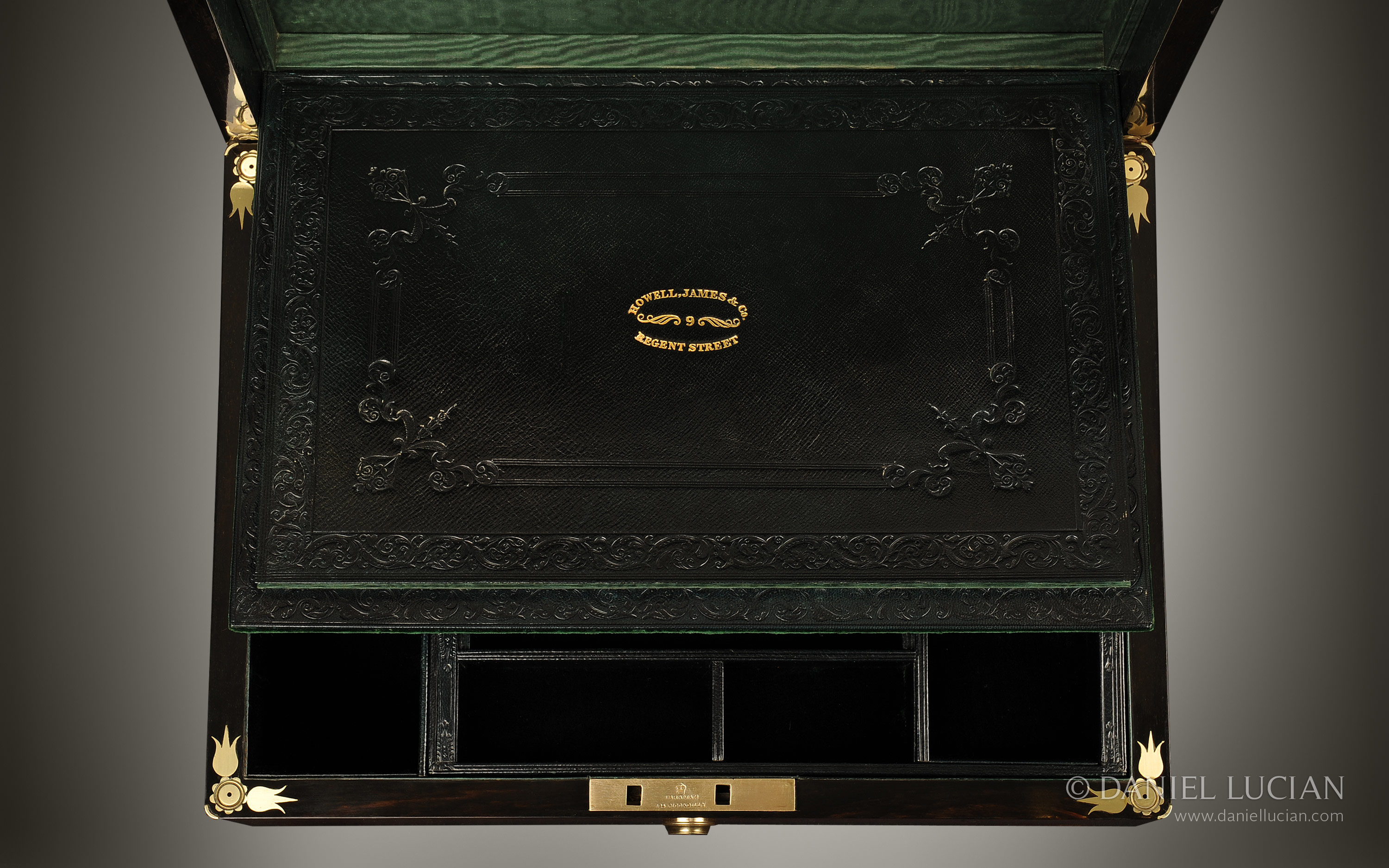
Morocco Leather
Morocco leather was prized for its softness, flexibility and durability. Traditionally produced from goatskin, it was distinguished by its characteristic grain and ability to take rich, vibrant colours.
Although historically associated with North Africa, the name did not necessarily indicate the geographical origin of the skin or its place of manufacture. By the nineteenth century, Morocco leather was widely employed in fine bookbinding, dressing cases, jewellery boxes and other luxury goods.
Manufacture and Finishing
Traditional Morocco leather was vegetable-tanned, commonly using sumac, a plant rich in naturally occurring tannins. This process produced a soft, flexible leather with a relatively pale surface suitable for dyeing.
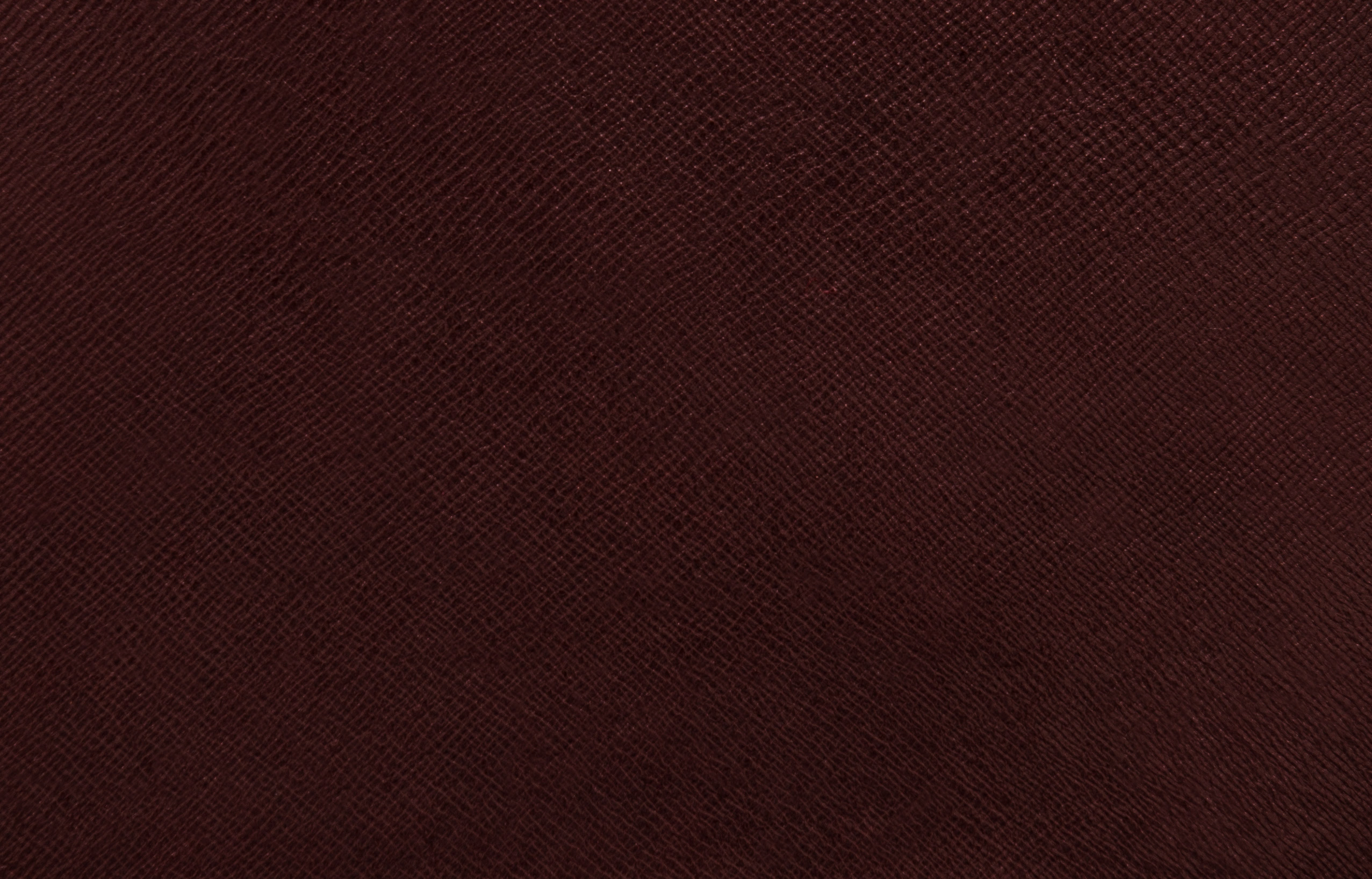
One of its distinguishing characteristics was the natural grain of goatskin, which could be enhanced through a process known as boarding. By folding and working the damp leather, craftsmen developed a more pronounced texture, ranging from fine, closely spaced markings to an irregular pebbled appearance.
Straight-grained Morocco, particularly fashionable during the late eighteenth and early nineteenth centuries, was produced by working the leather to create a more regular, linear pattern.
Less expensive imitations were also manufactured, particularly from sheepskin. These included French Morocco and roan, which were coloured and finished to resemble genuine goatskin Morocco leather.
Colour and Dyeing
Morocco leather was traditionally coloured using dyes derived from plants, insects and other natural materials.
Rich reds and crimsons were commonly produced using cochineal, a dye obtained from insects, while indigo provided shades of blue. Green was achieved by combining blue and yellow dyes, while purple, violet and darker shades could be obtained through combinations of different colouring substances, including cochineal and logwood.
The leather could be coloured by immersion in a dye bath or by brushing the colouring solution onto its surface. The precise methods varied according to the colour required and the practices of individual manufacturers.
The introduction of synthetic dyes during the second half of the nineteenth century greatly expanded the range of available colours. These newer dyes offered increasingly brilliant shades and were often more economical, although traditional colouring methods continued to be employed.
Morocco Leather in Fitted Interiors
Morocco leather was particularly suited to covering internal walls, tray edges, compartment partitions, letter wallets and other fitted components. Its flexibility allowed it to be worked neatly around intricate shapes, while its strength and closely grained surface provided a durable finish.
Crimson, burgundy, dark blue, purple and green were among the colours employed, often closely matched to the adjoining silk velvet and moiré silk. The contrasting textures of these materials contributed to the richness of the finished interior.
Morocco leather could also be embellished with decorative gold tooling, including gilt lines, borders and ornamental motifs.