WOODS

Satinwood

Although relatively few Victorian boxes were fully veneered in satinwood, box makers frequently used it within their interiors. Its pale golden-yellow colour and characteristic lustre made it particularly effective for edging, compartments and other decorative details.

Ceylon satinwood, Chloroxylon swietenia, is native to India and Sri Lanka. The wood can have a distinctive shimmering or satin-like appearance, with the figure changing subtly as it catches the light.

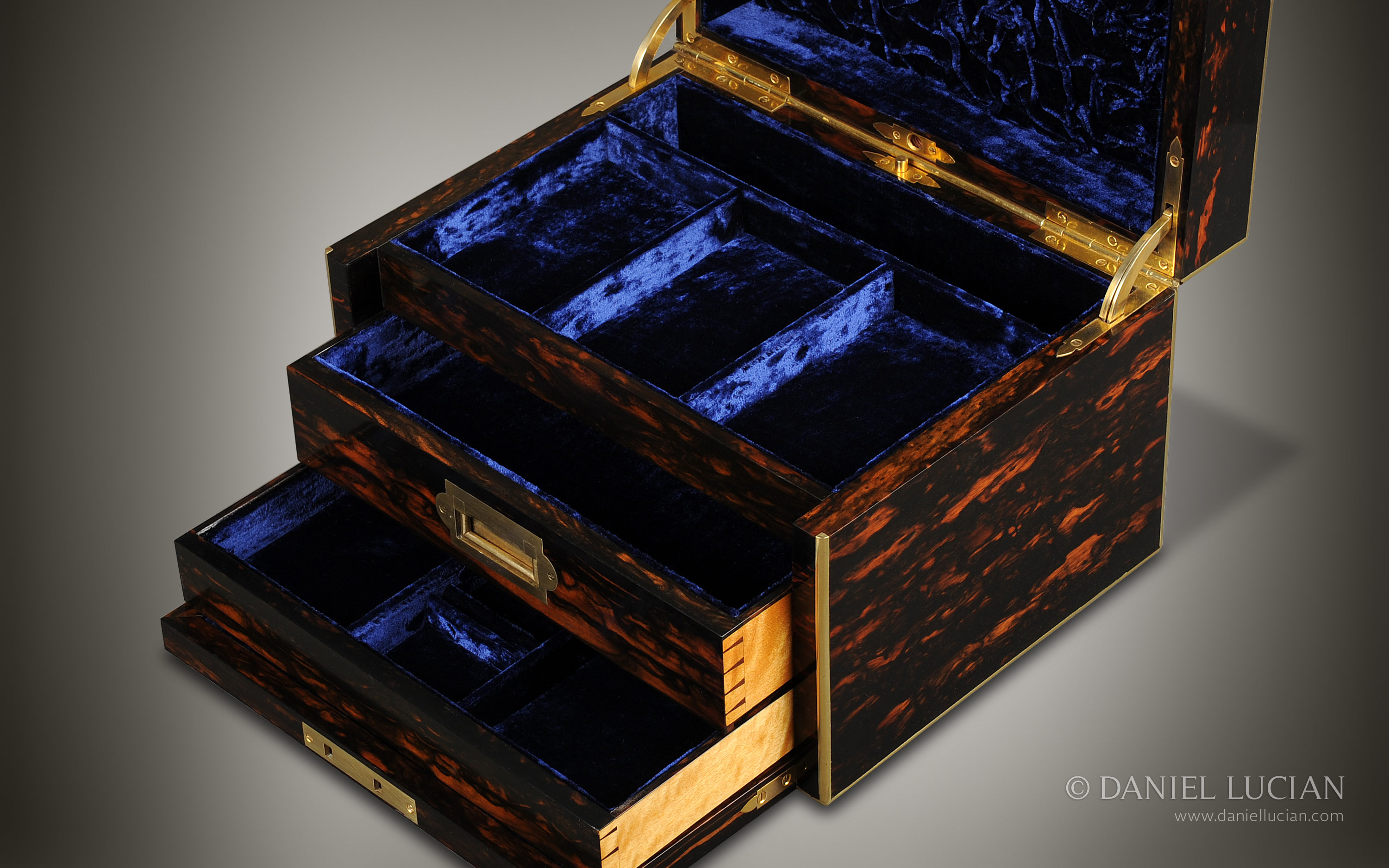
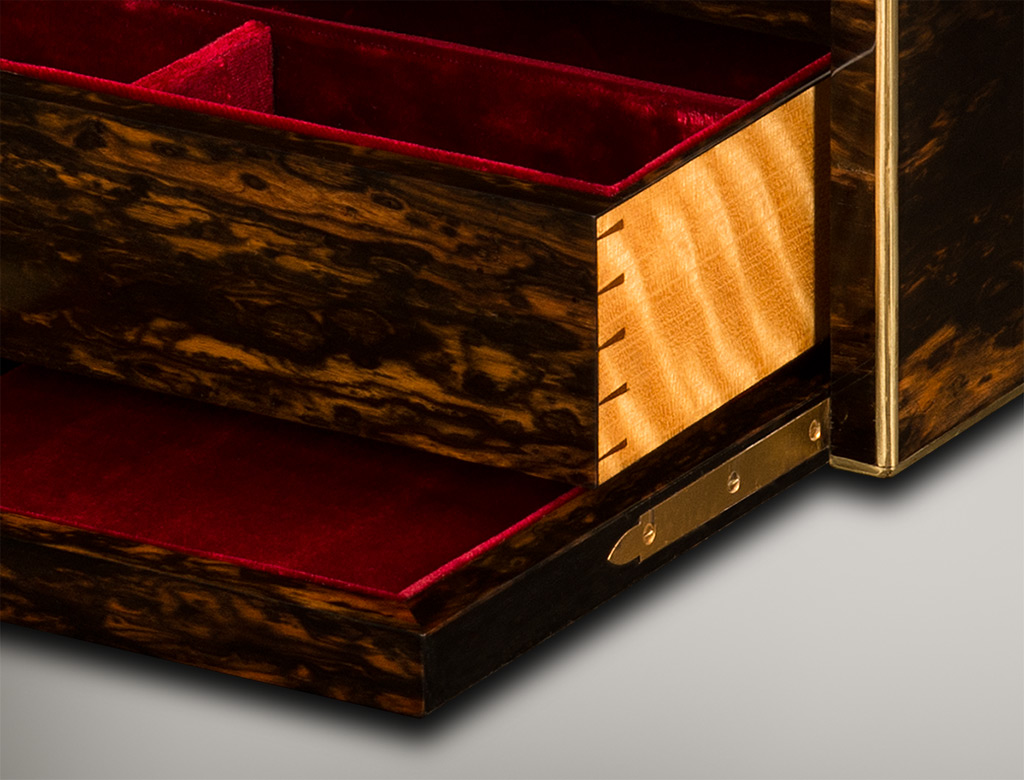
On fine nineteenth-century boxes it was particularly effective when used alongside darker woods such as coromandel, creating a strong contrast between the pale golden satinwood and the richly figured exterior.
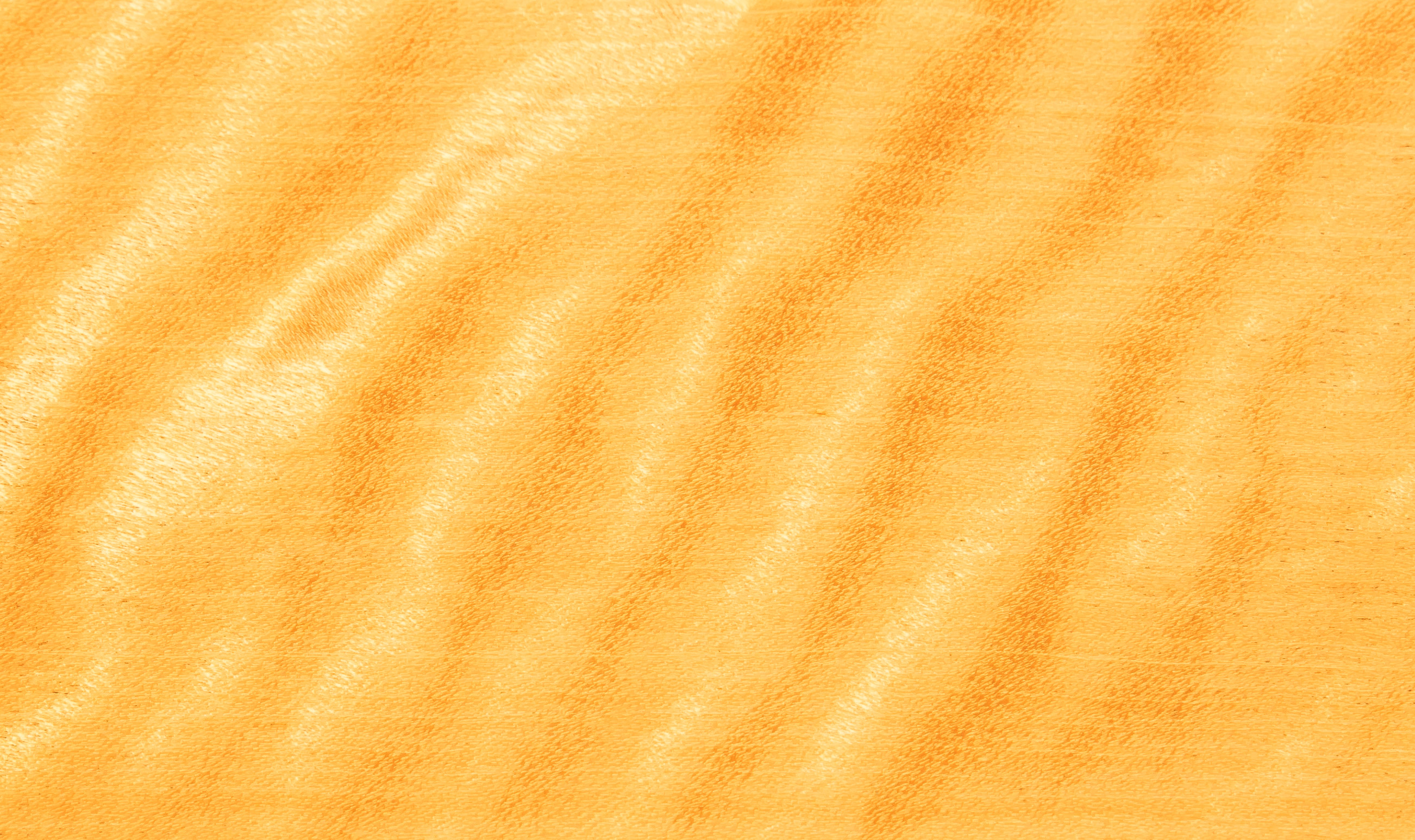
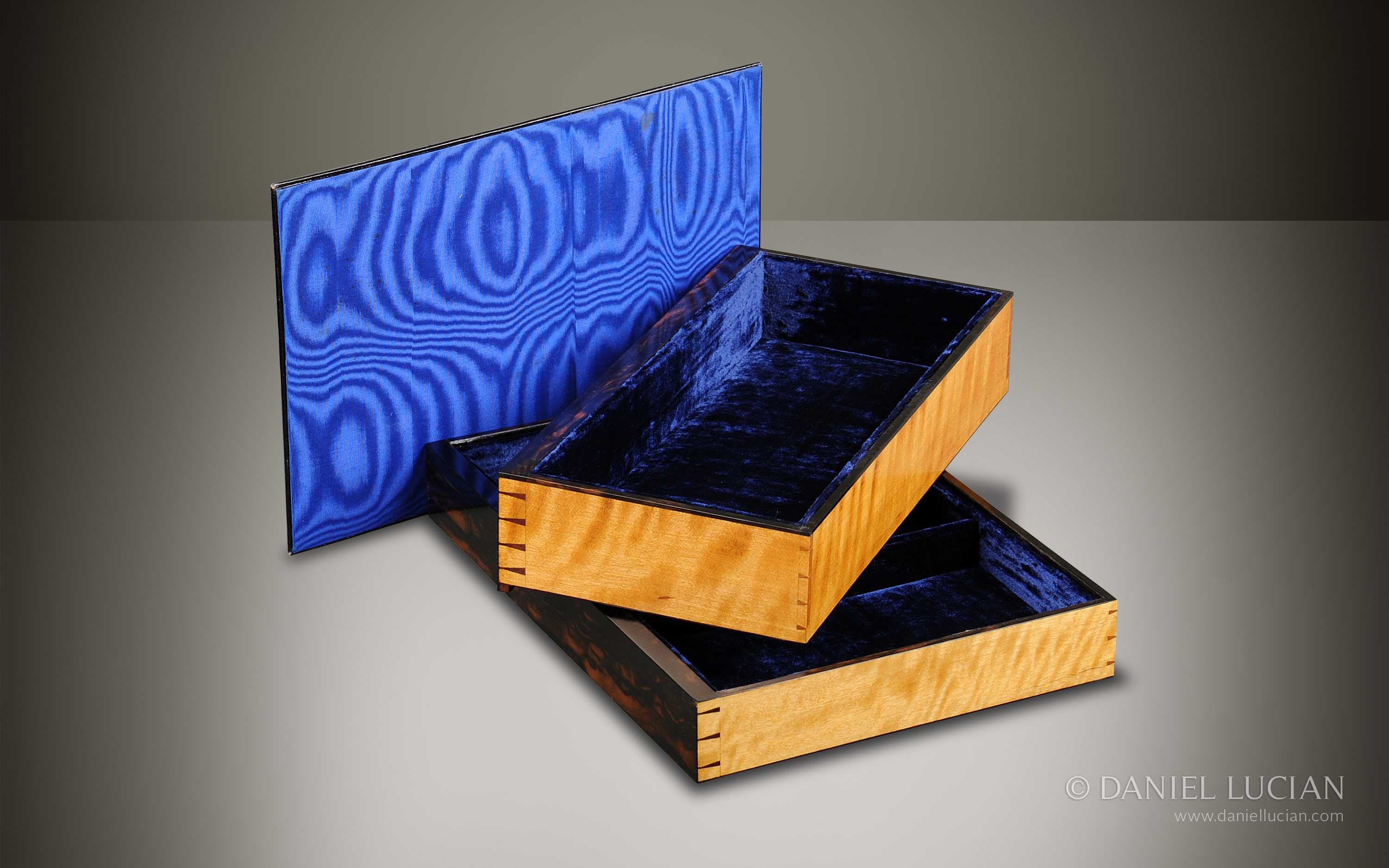
Close-up of the figured grain of antique solid satinwood.
Antique solid satinwood.
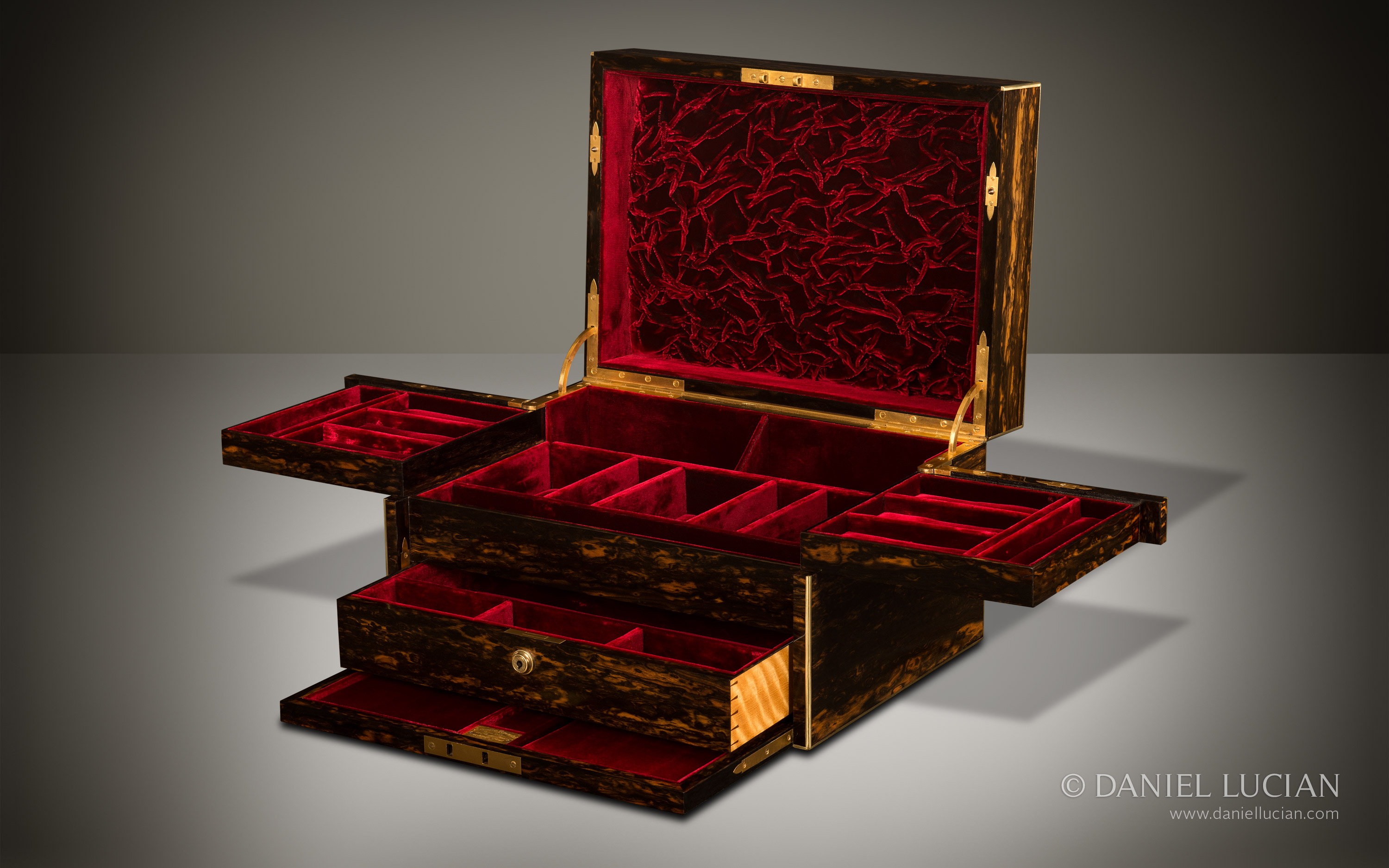
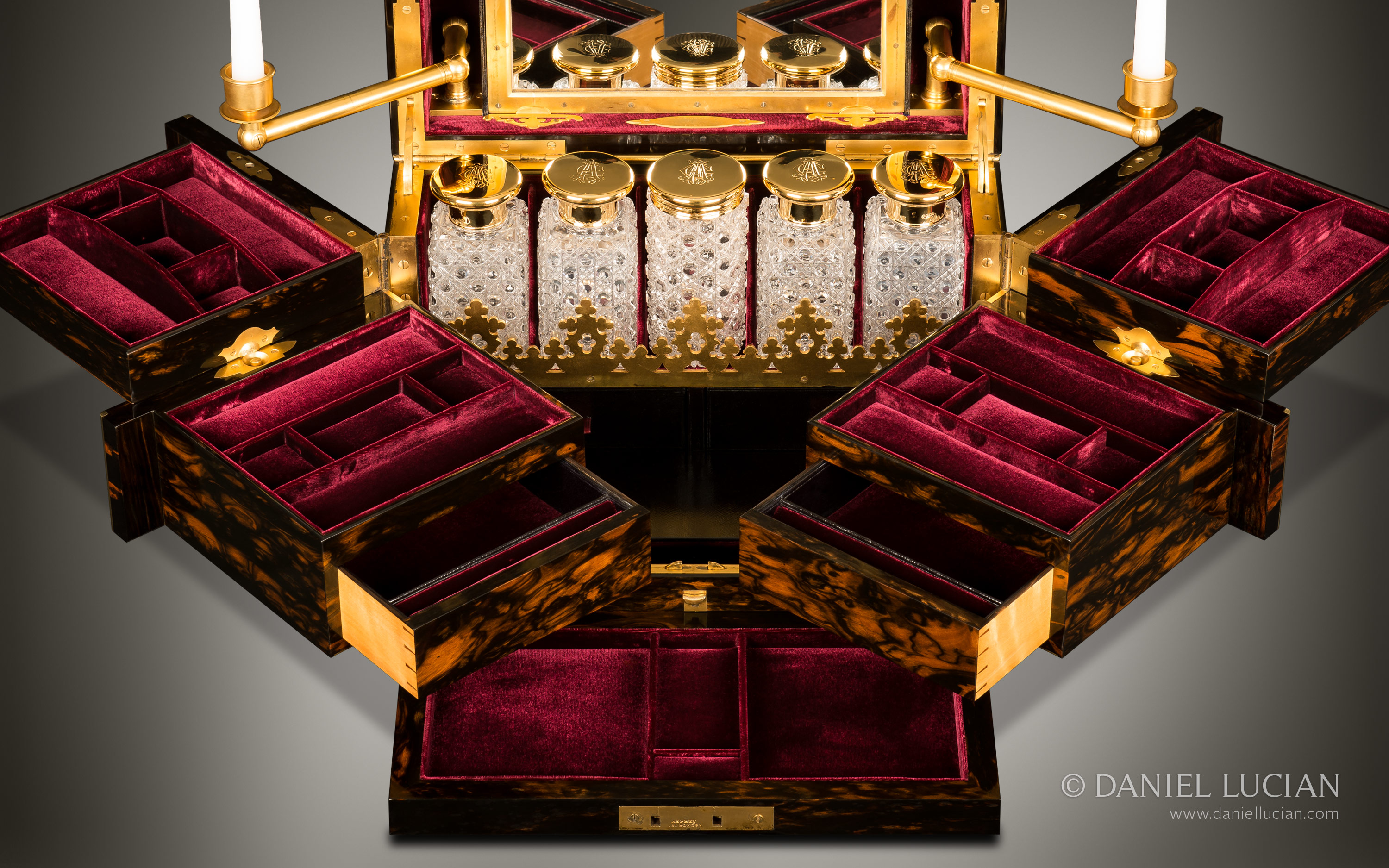
Solid satinwood drawers from an antique jewellery box with Betjemann Patent Mechanism by Leuchars.
Solid satinwood drawers from an antique jewellery box with Betjemann Patent Mechanism by Leuchars. VIEW THIS BOX →
Antique Jewellery Box in Coromandel with Drop Front and Concealed Drawers.
Antique Jewellery Box in Coromandel with Drop Front and Concealed Drawers. VIEW THIS BOX →
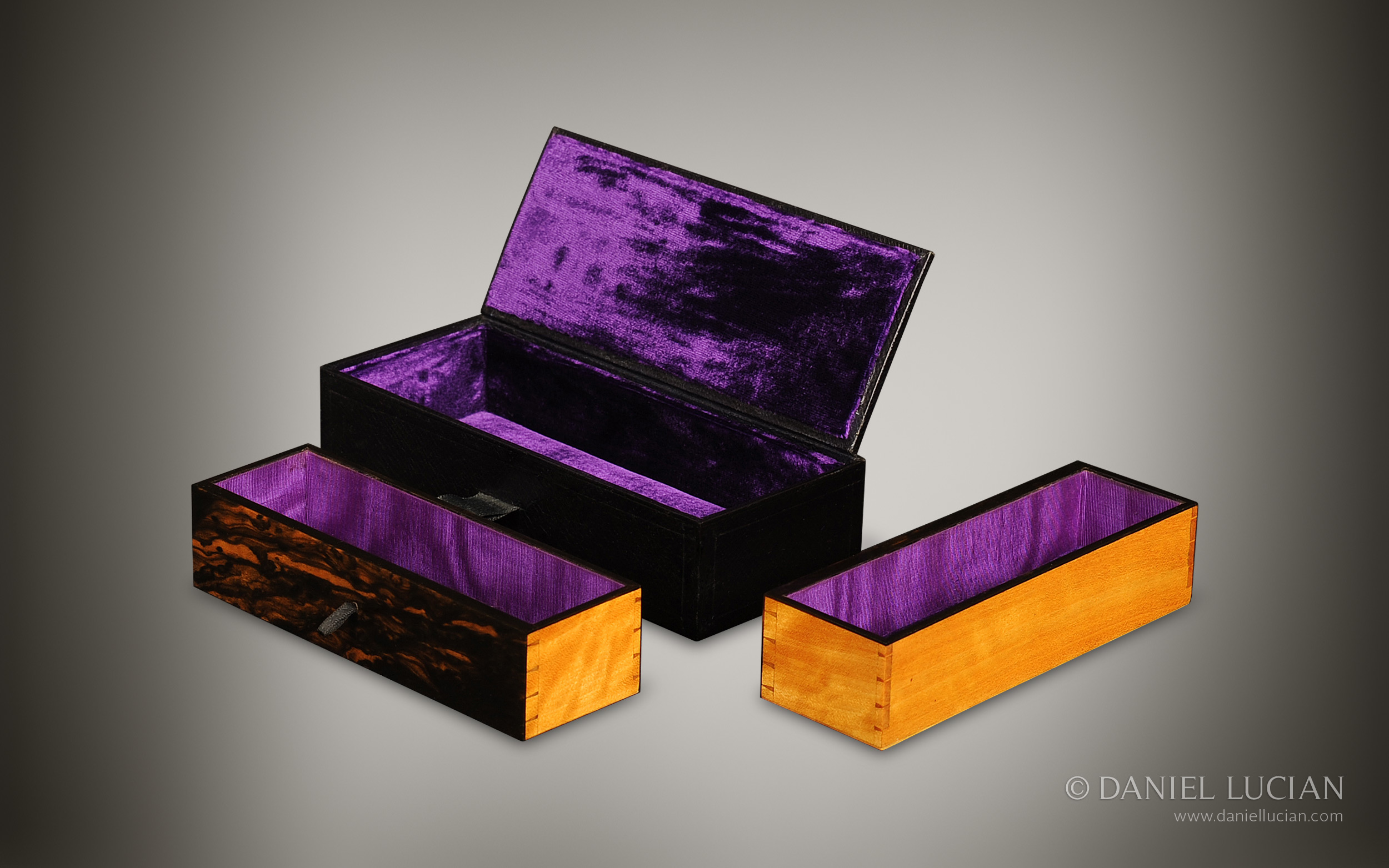
Two solid satinwood drawers from an antique jewellery box in coromandel.
Two solid satinwood drawers from an antique jewellery box in coromandel. VIEW THIS BOX →
Antique Jewellery Box in Coromandel by Jenner & Knewstub.
Antique Jewellery Box in Coromandel by Jenner & Knewstub. VIEW THIS BOX →
Solid satinwood drawer from an antique jewellery box in coromandel by Jenner & Knewstub.
Asprey Antique Jewellery Box with Betjemann Patent Mechanism and Candlesticks.
Asprey Antique Jewellery Box with Betjemann Patent Mechanism and Candlesticks. VIEW THIS BOX →

EXPLORE FURTHER