Veneer
Veneer is a thin sheet of wood applied to a solid wooden substrate, primarily for decorative purposes. Historically, veneers were often around 1–2 mm thick, allowing highly figured or valuable timbers to be used more economically.
The practice of veneering dates back to antiquity, but the process of cutting veneer changed significantly during the early nineteenth century. As demand increased, mechanised methods were developed that allowed veneers to be cut more quickly, accurately and economically than was possible by hand.
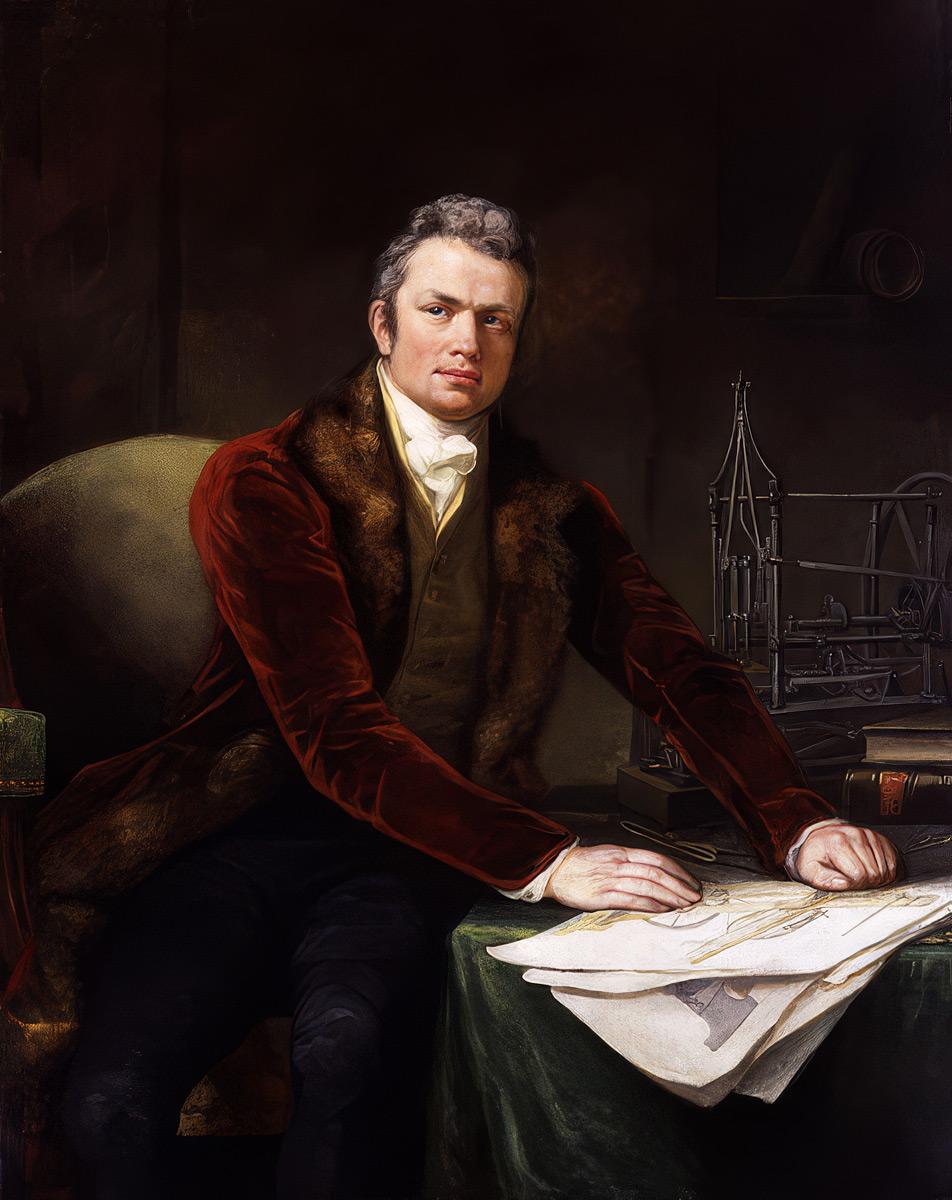
Marc Isambard Brunel (1769–1849), father of Isambard Kingdom Brunel, played an important part in this development. In 1806 he secured a patent for veneer-cutting saws, and around 1806–07 established a steam-powered sawmill at Battersea specialising in veneers and thin boards. Large circular saws and other specialised machinery were used to cut timbers such as mahogany and rosewood into remarkably thin and even sheets. Further developments followed over the succeeding years as Brunel and others continued to improve mechanised timber cutting.
Veneer had long been used in cabinetmaking and box making, but its use expanded considerably during the nineteenth century as increasingly varied and exotic woods became available. Rosewood, kingwood, coromandel, satinwood, burr walnut and highly figured mahogany could all be used to decorate a strong and stable underlying structure, allowing particularly striking sections of timber to be used to greatest effect.
Animal glues were traditionally used to secure veneer, particularly hot hide glue, although bone and other animal glues were also employed. These glues were prepared by soaking and heating the dried adhesive in water before application. Once set, the bond is strong but can be softened again with heat and moisture, allowing damaged or lifting veneer to be repaired with relatively little disturbance to the surrounding material. This reversibility is one reason traditional animal glues remain useful in the conservation and restoration of antique furniture and boxes today.