
Thornhill
The origins of Thornhill can be traced back to 1734, when Joseph Gibbs established a cutlery business at 137 Bond Street, London. By 1772, the business had passed to his son James Gibbs, and by 1800 was trading as Gibbs & Lewis. In 1805, John James Thornhill and John Morley were running the firm under the name Morley & Thornhill, moving to 144 New Bond Street in 1810.
The partnership between Morley and Thornhill was dissolved in 1823, after which the business continued as John James Thornhill & Co from the same address. The firm developed an important royal clientele and later held appointments to Queen Victoria, the Prince and Princess of Wales and other members of the Royal Family.
Following John James Thornhill’s death in 1848, his son Walter Thornhill (1822–1887) took control of the business. Under Walter’s direction, the firm broadened its range beyond cutlery and silversmithing to include dressing cases, writing cases, desks, travelling bags, games and other luxury goods.
Walter Thornhill exhibited at the major international exhibitions of the period. At the Great Exhibition of 1851, he was awarded a Prize Medal for his garden tools. Further recognition followed at the Paris Exposition Universelle of 1855, where he received a Bronze Medal for cutlery.
Around 1859, Walter was also associated with John Farthing at 42 Cornhill under the name Farthing & Thornhill.
Thornhill exhibited at the International Exhibition of 1862. Period advertisements identify the firm as a cutler and dressing-case maker, offering fine cutlery, travelling bags, sporting knives, garden tools and other luxury goods.

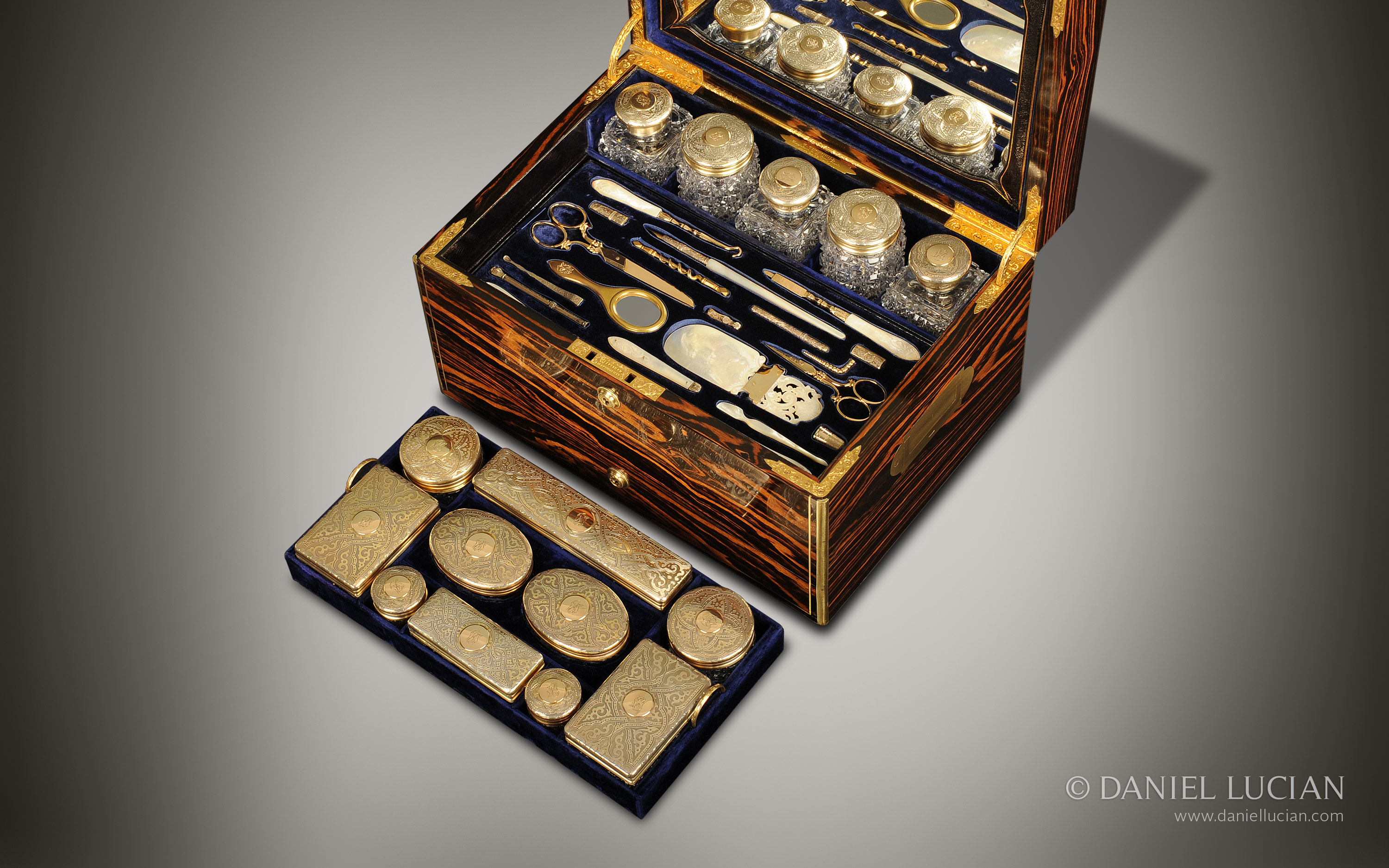

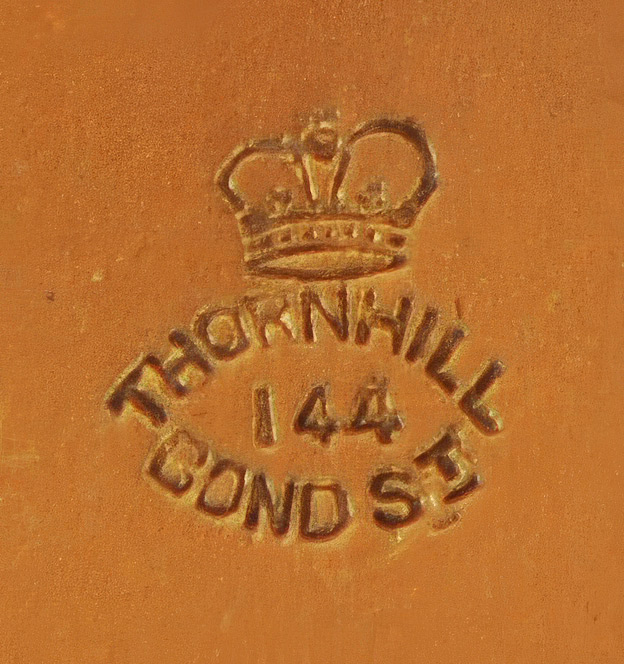
By 1875, the principal business was known as Walter Thornhill & Co. Walter’s son Hubert Thornhill and Albert Barker were also associated with the firm during this period.
The business expanded into 145 New Bond Street in 1878. At the Paris Exposition Universelle of the same year, Walter Thornhill & Co received two prize medals and exhibited an extensive selection of luxury goods, including dressing cases, travelling bags, cutlery, belts, chatelaines, pencil cases and the Salisbury Writing Case.
The firm did not manufacture every item it retailed. Like several other leading luxury houses of the period, Thornhill also commissioned specialist manufacturers to produce goods to its own designs, including registered designs and patented novelties sold under the Thornhill name.
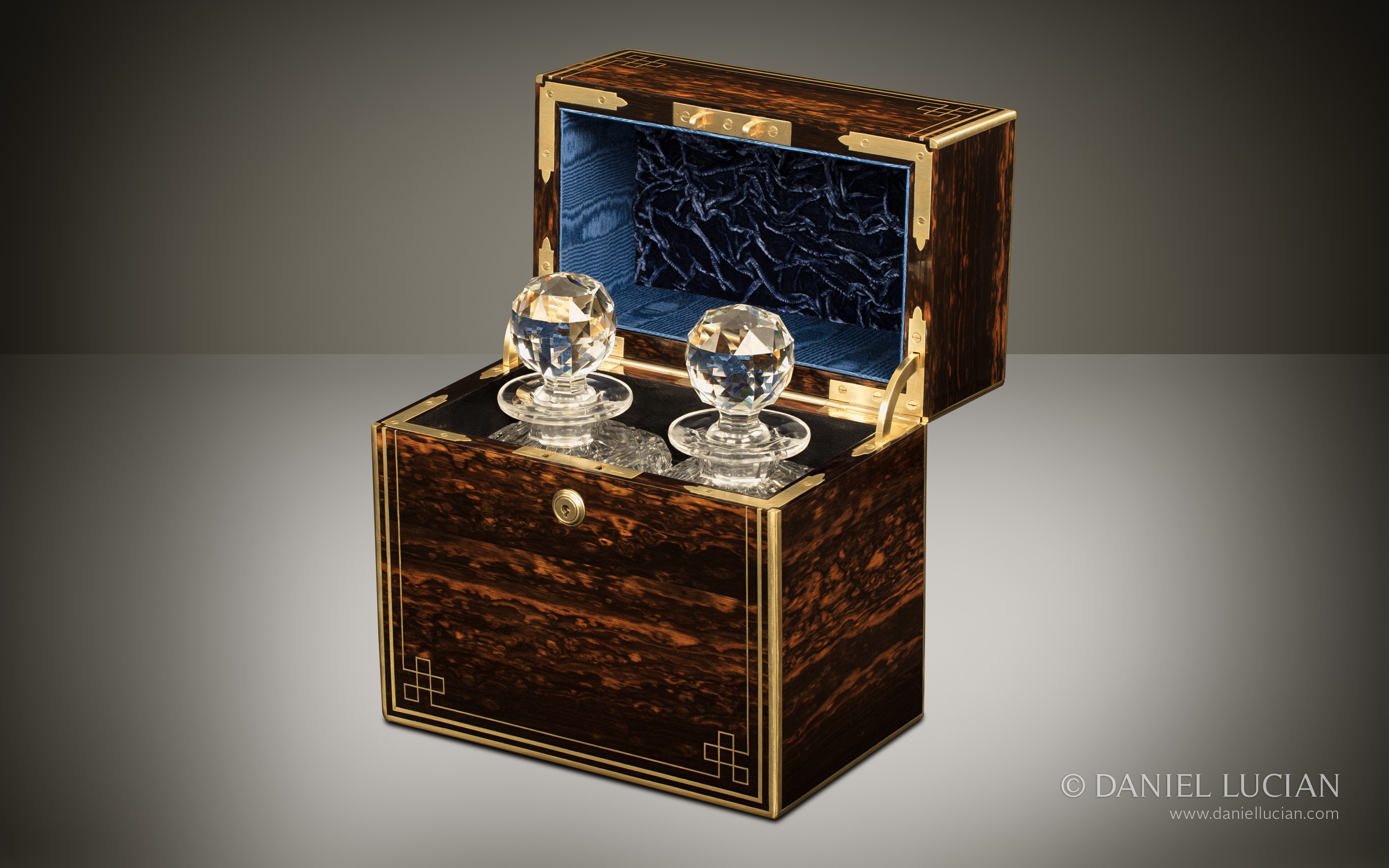

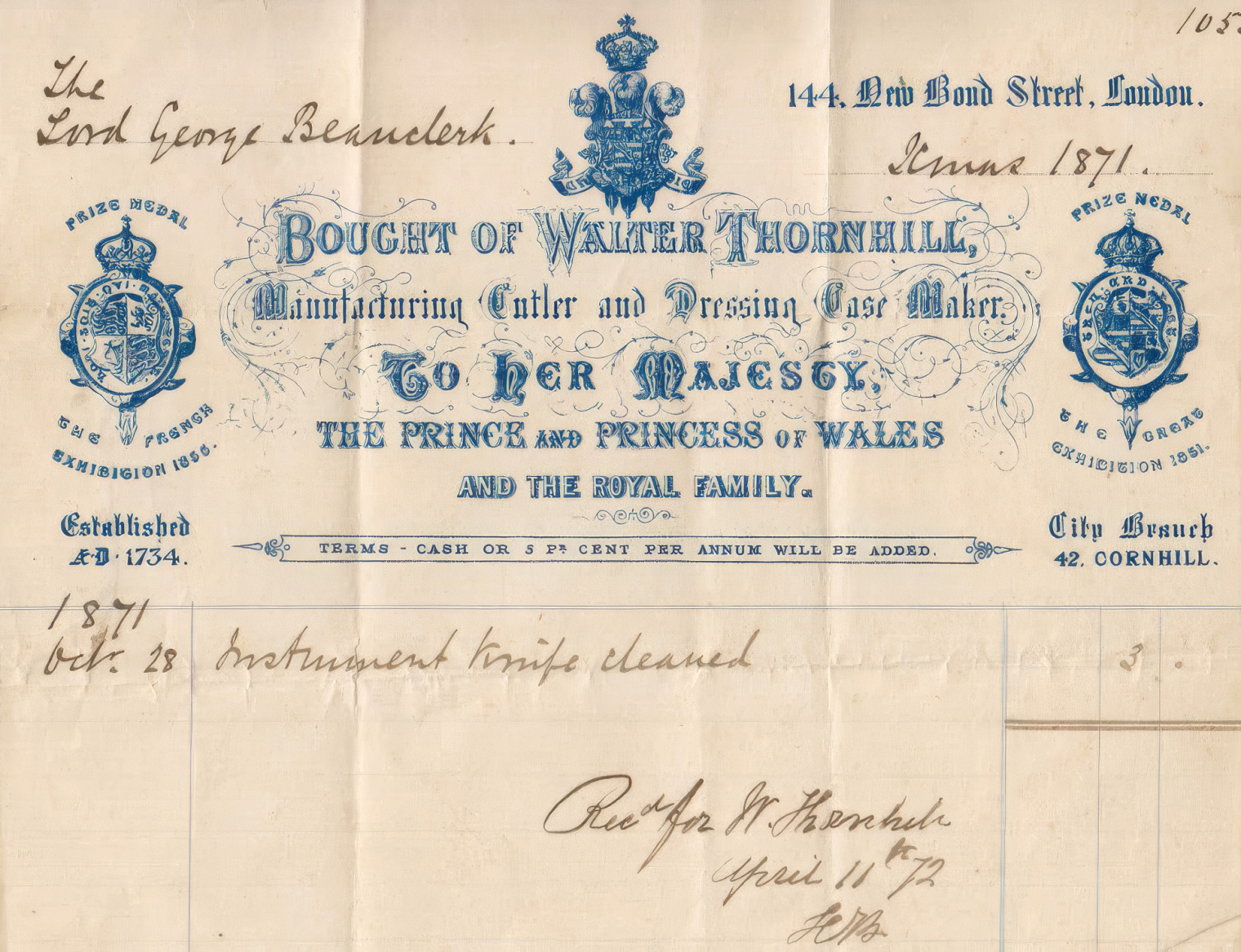
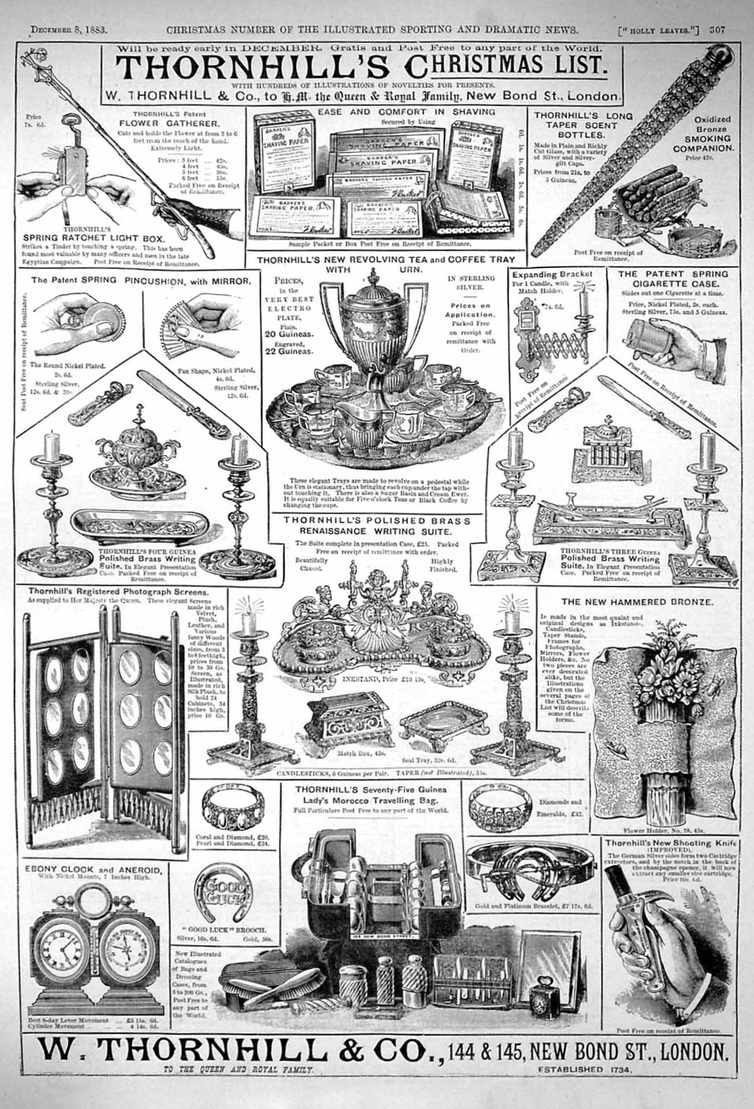
By the 1880s, Hubert Thornhill had become increasingly involved in the business. Albert Barker left the firm in 1885, and Walter Thornhill died in 1887.
The firm became a private limited company in 1895. It was voluntarily wound up in 1898 with reconstruction intended, and was later liquidated again in 1905. The Thornhill name nevertheless continued to be used commercially until around 1912.