The Great Exhibition of 1851
The Great Exhibition of the Works of Industry of All Nations, more commonly known as the Great Exhibition, was organised by the Royal Commission for the Exhibition of 1851, with Prince Albert and Henry Cole playing leading roles in its creation. The project developed from the work of the Royal Society for the Encouragement of Arts, Manufactures and Commerce, of which Prince Albert was president.
The Exhibition was conceived as an international celebration of contemporary industry, craftsmanship, technology, art and design, while also demonstrating Britain’s position as one of the world’s leading industrial nations. It brought together 13,937 exhibitors and more than 100,000 exhibits from Britain and around the world.
The purpose-built exhibition hall, designed by Joseph Paxton and soon known as the ‘Crystal Palace’, was an extraordinary structure of cast iron, timber and plate glass erected in Hyde Park. Measuring 1,848 feet in length and covering approximately 19 acres, it became one of the defining architectural achievements of the Exhibition.
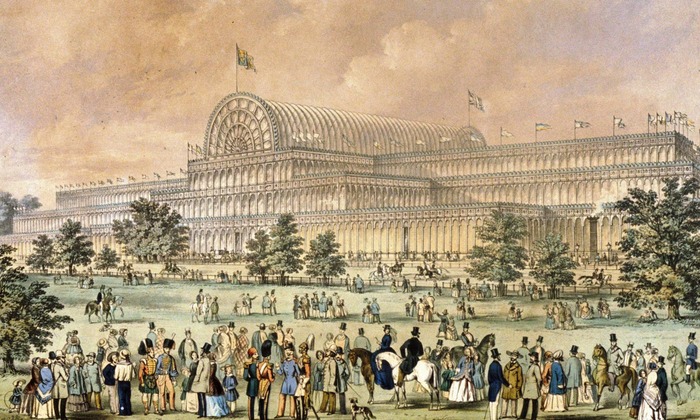
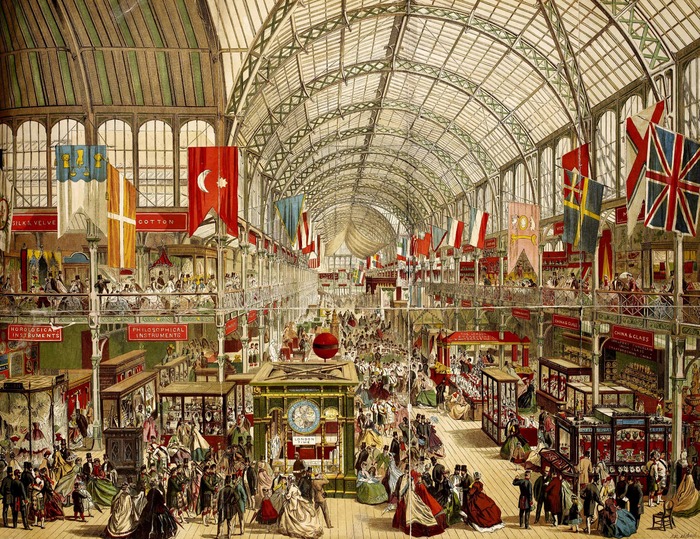
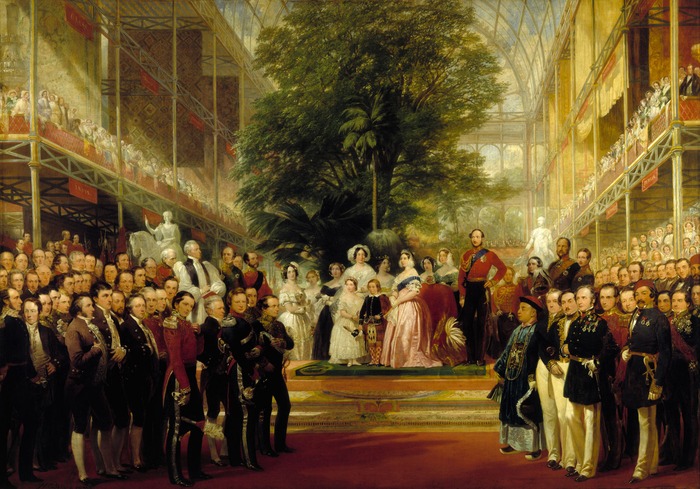
The Great Exhibition was opened by Queen Victoria and Prince Albert on 1 May 1851 and remained open until 11 October, a total of 141 days. Queen Victoria herself visited the Exhibition 34 times. By the time it closed, 6,039,195 visitors had passed through the Crystal Palace.
The Exhibition was an enormous financial success, producing a surplus of £186,437. Under Prince Albert’s guidance, the Royal Commission used the proceeds to purchase a substantial estate in South Kensington. The area subsequently developed into one of London’s great centres of art, science and education, becoming home to institutions including the Victoria and Albert Museum, Science Museum, Natural History Museum, Royal Albert Hall, Imperial College London, Royal College of Art and Royal College of Music.
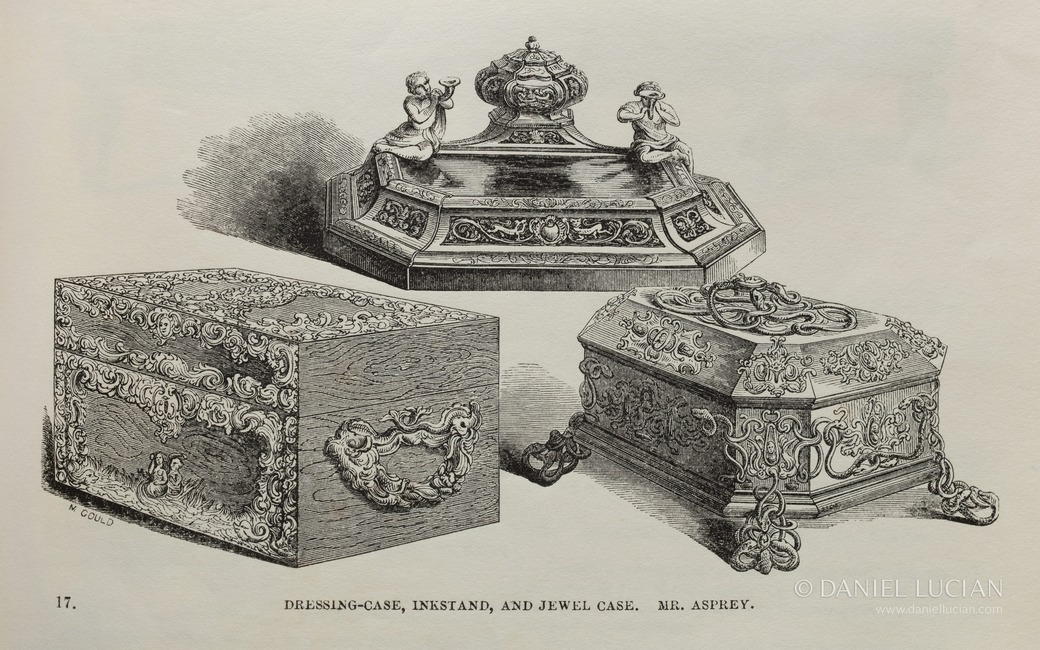
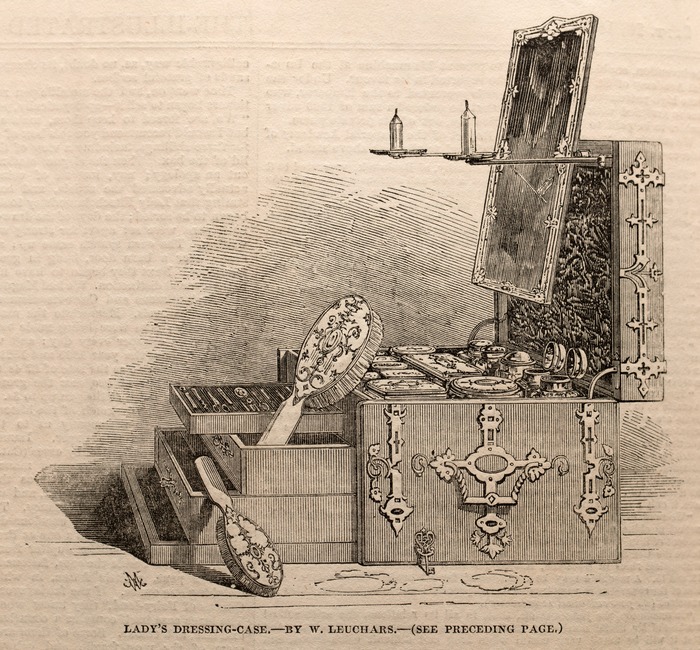
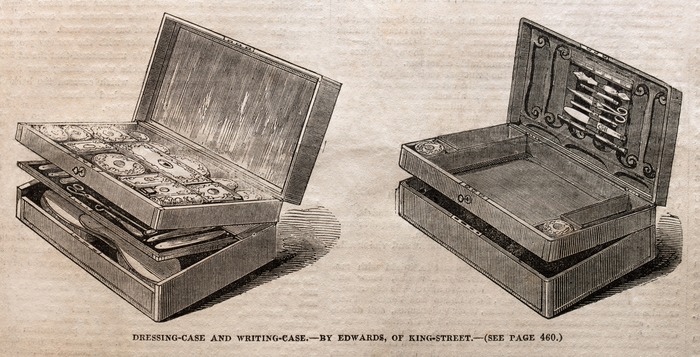
A number of the leading dressing-case manufacturers and luxury retailers represented in this Library exhibited at the Great Exhibition, including Asprey, Aucoc, Edwards, Leuchars and Mechi. Prize Medals were awarded to Aucoc, Edwards and Leuchars, while Asprey received an Honourable Mention. Mechi exhibited dressing and writing cases and other goods, but as a member of the jury was not eligible to compete for an award.