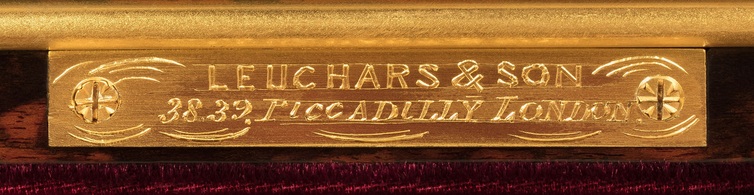
Leuchars
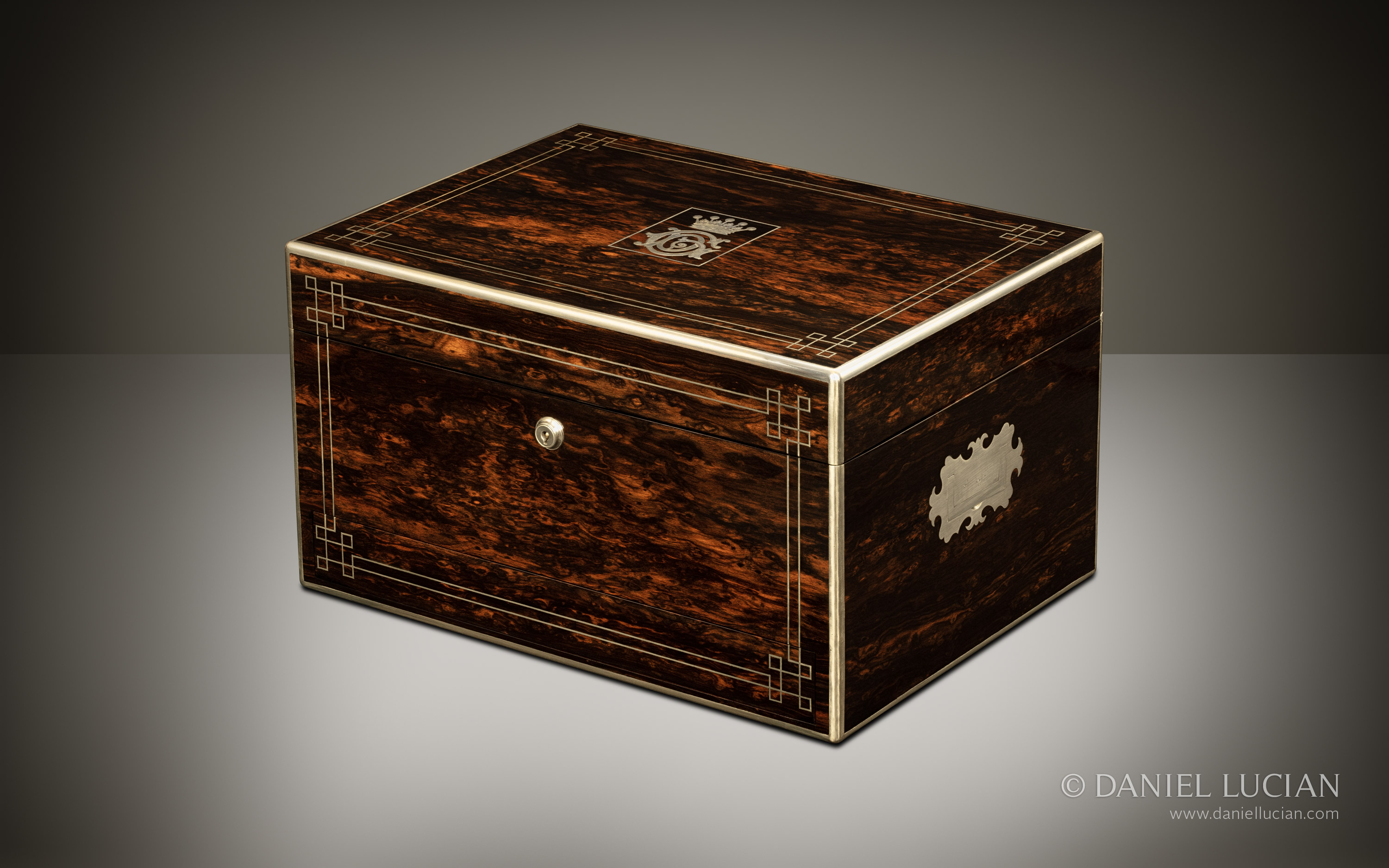
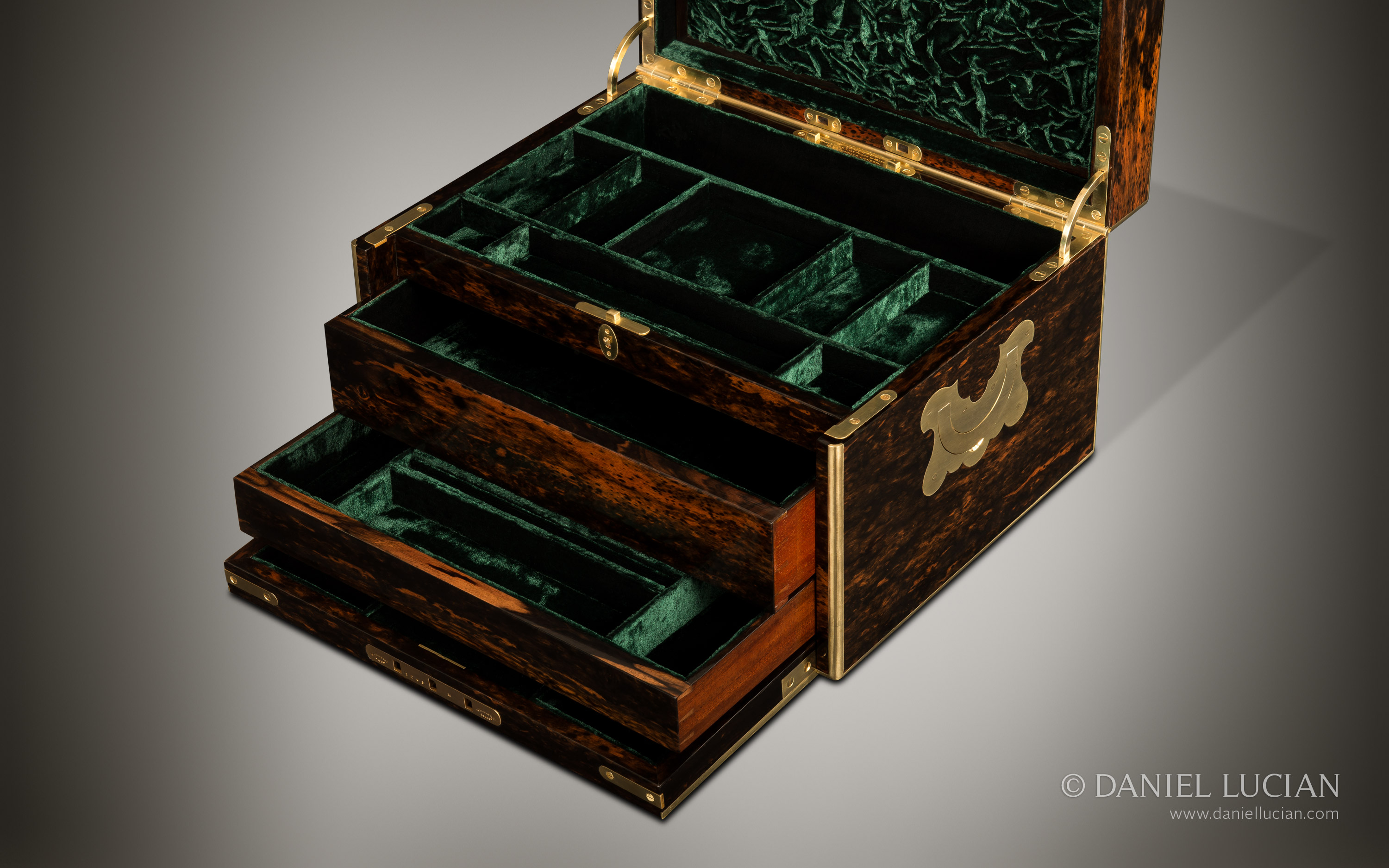
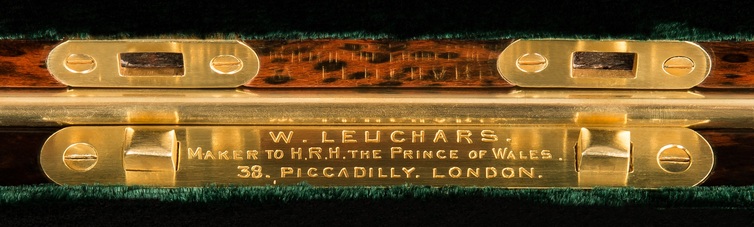
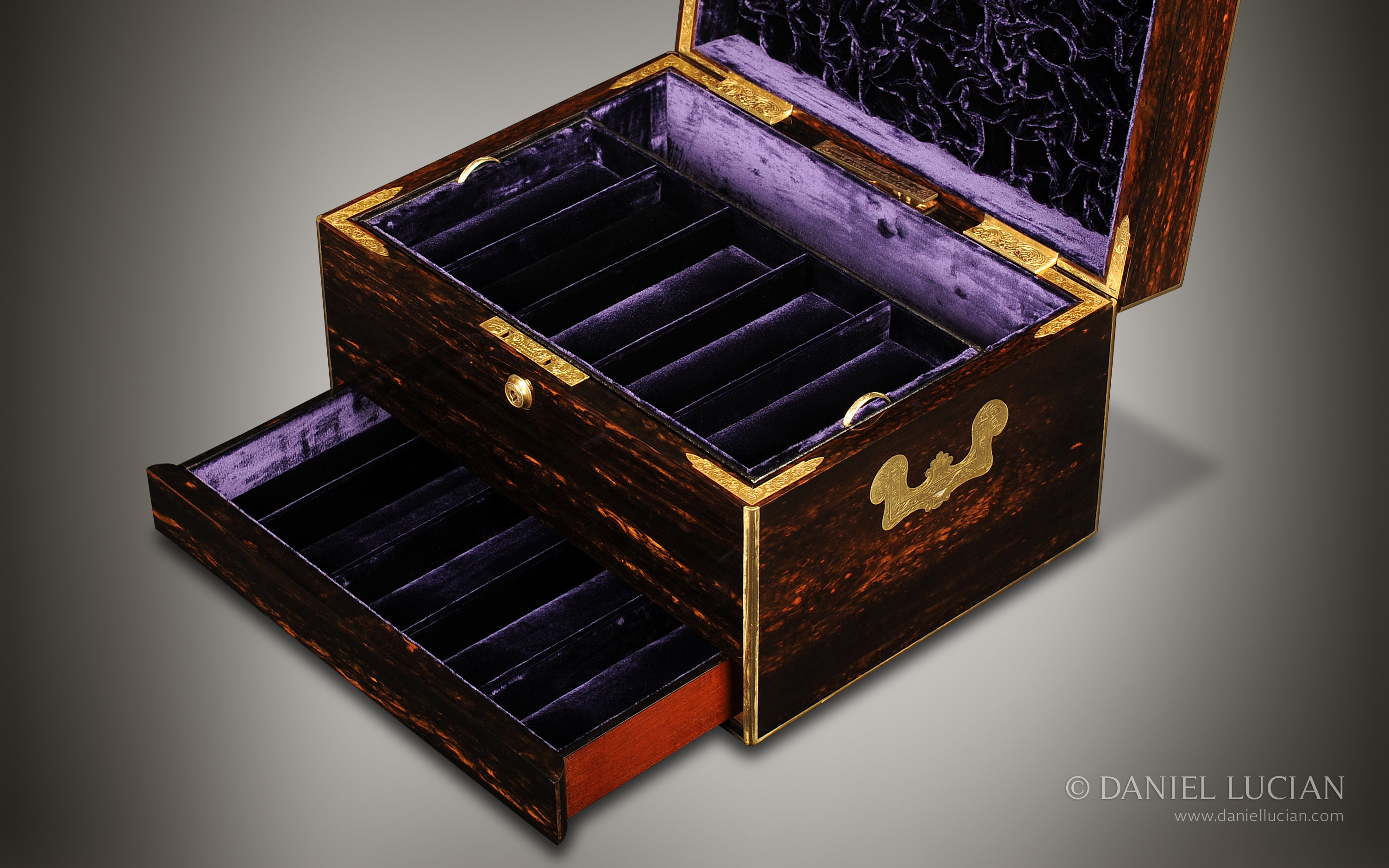
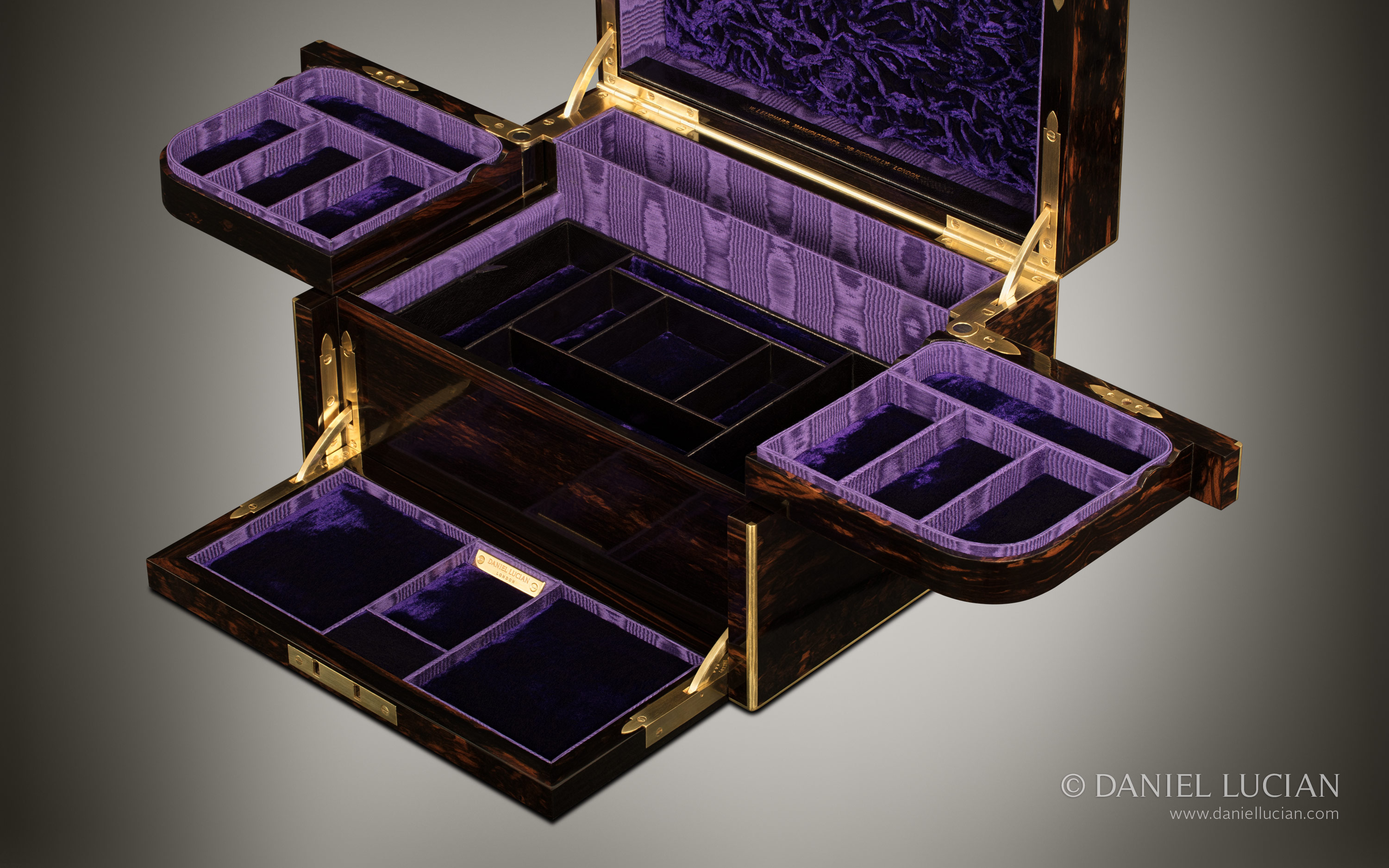
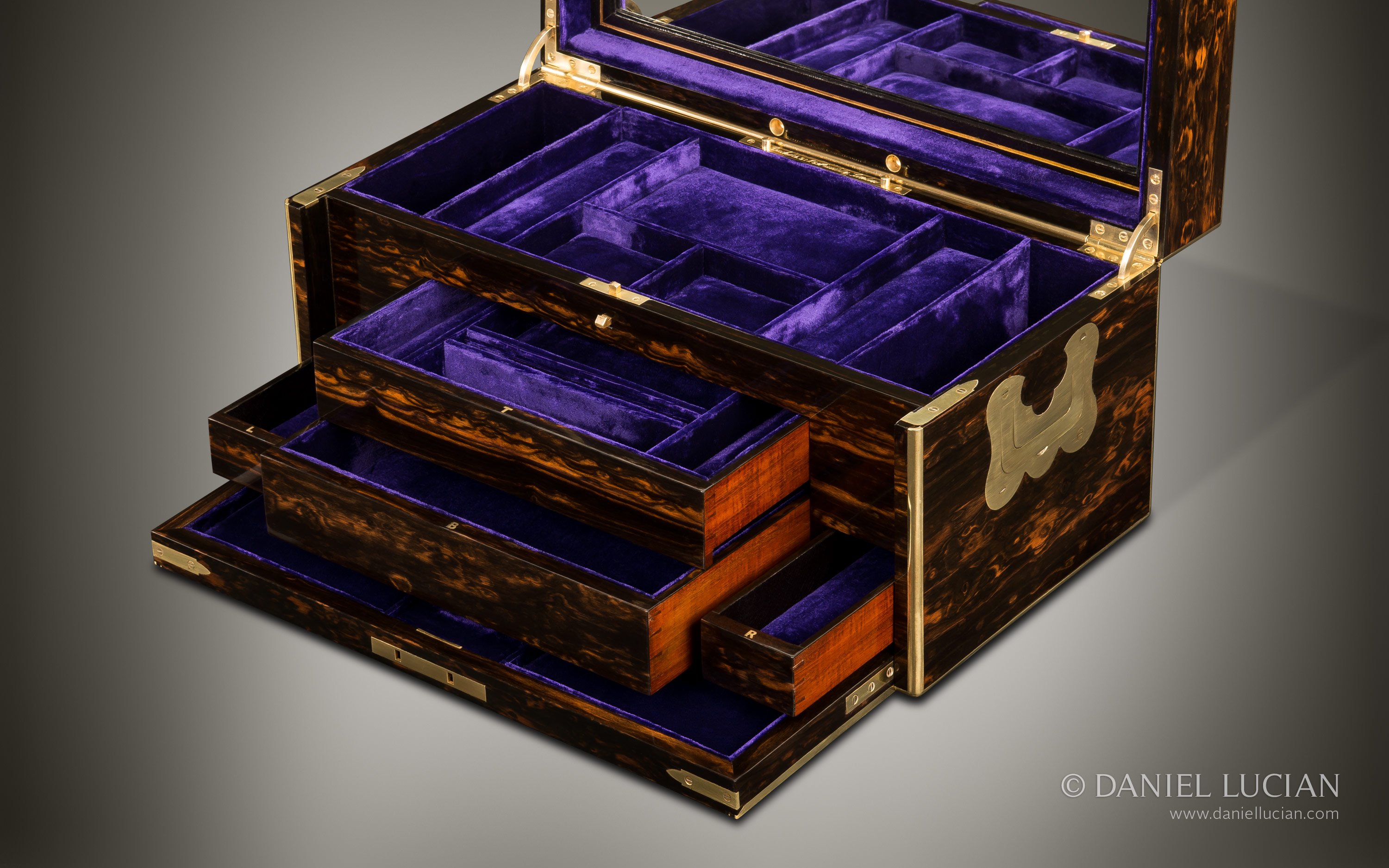
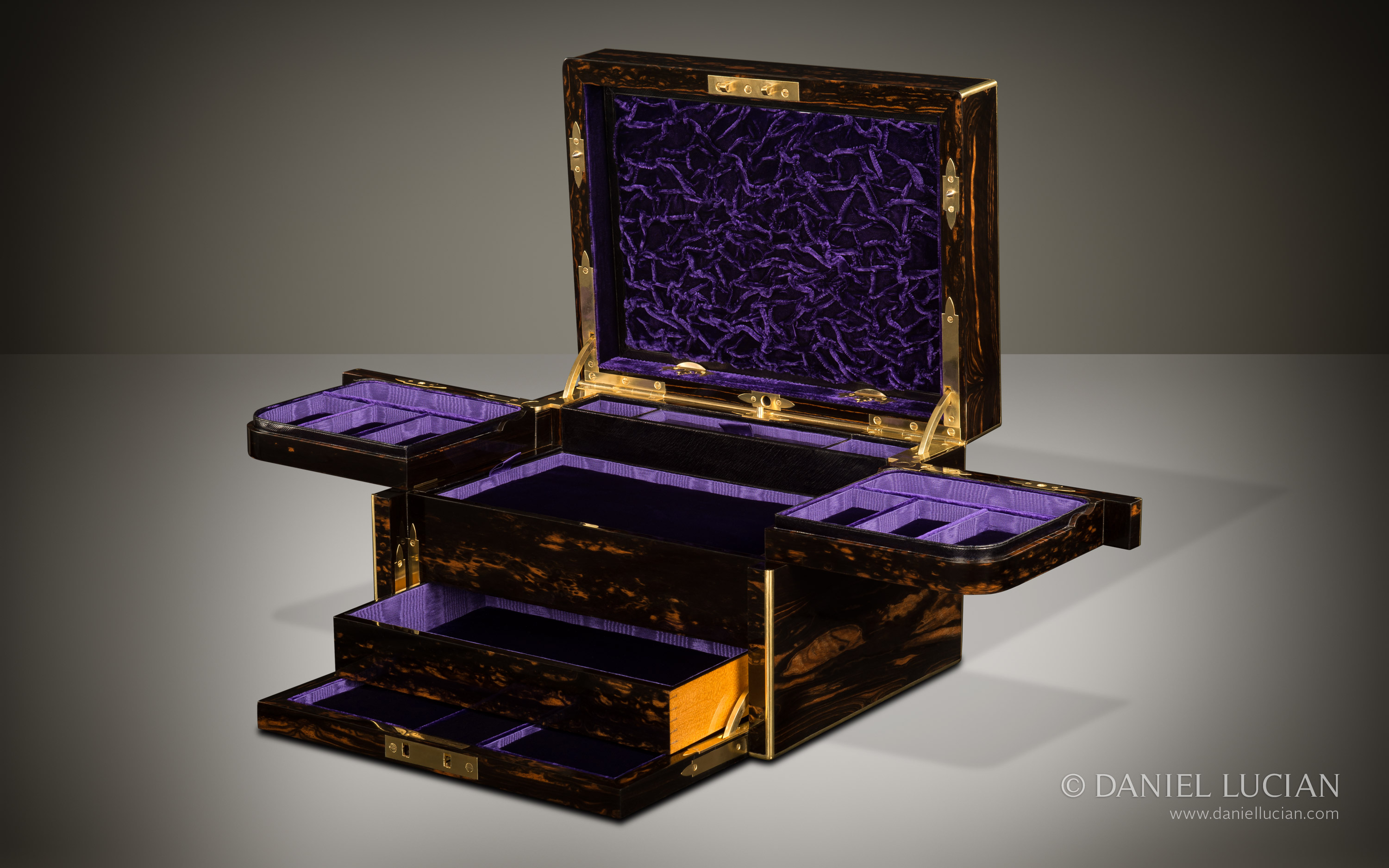
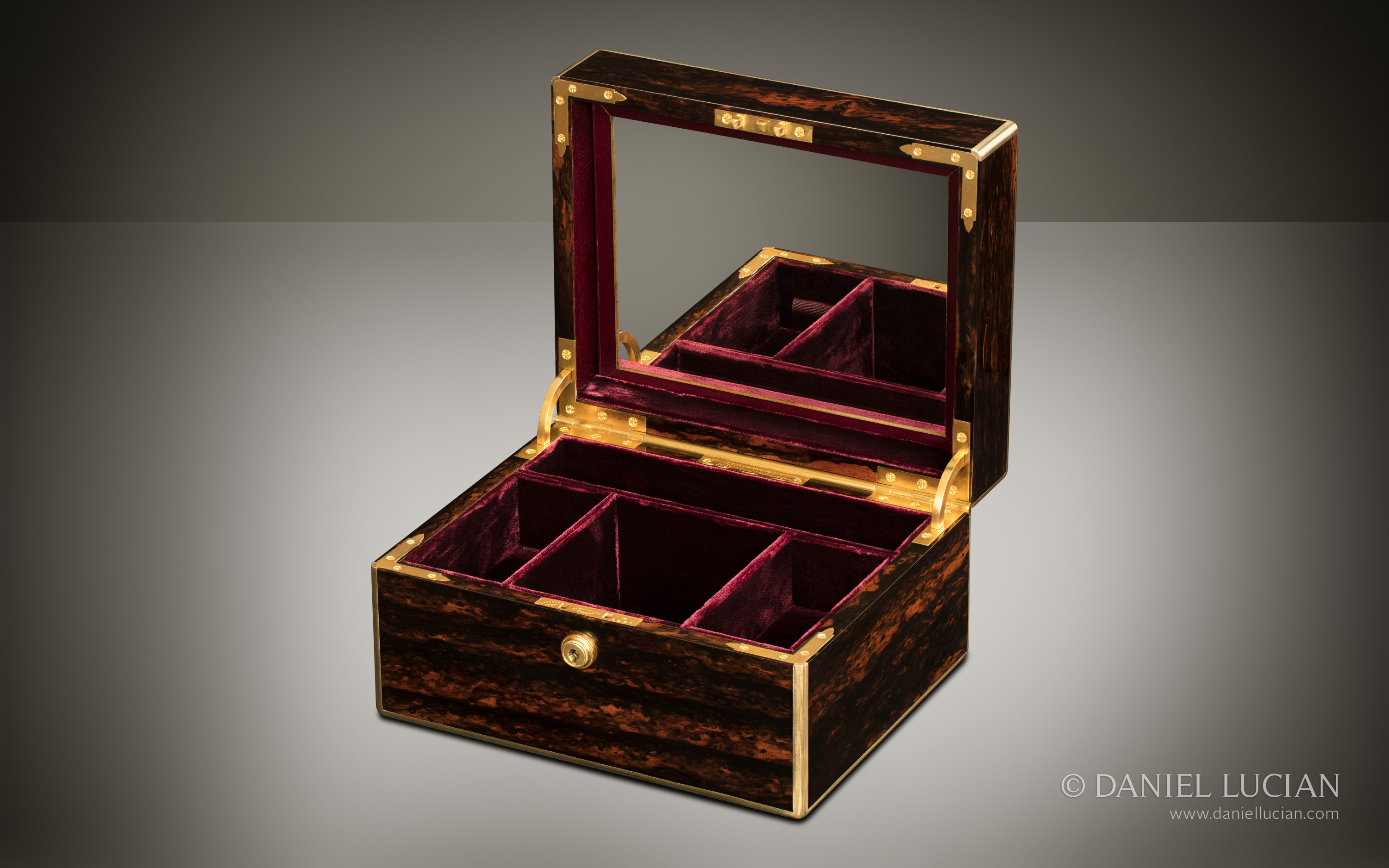
Leuchars was established in 1794 by James Leuchars at 47 Piccadilly, London. In 1820, the business moved to 38 Piccadilly, where it became increasingly associated with finely made dressing cases, writing cases and luxury travelling goods.
Following James Leuchars’ death in 1823, his widow Lucy continued the business under her own name. By 1841, the firm was trading as Lucy Leuchars & Son, the ‘Son’ referring to William Leuchars, and had expanded into 39 Piccadilly. During the early years of Queen Victoria’s reign, Leuchars gained royal patronage, with surviving pieces bearing the designation ‘Maker to the Queen’.
Following Lucy’s death in 1847, William took sole control of the firm. Under his direction, Leuchars achieved considerable exhibition success. At the Great Exhibition of 1851, the firm was awarded a Prize Medal for its dressing cases. Further recognition followed at the International Exhibition of 1862, where Leuchars received high commendation for the general excellence of its work, particularly its dressing cases, together with a medal for the taste and execution of its leatherwork.


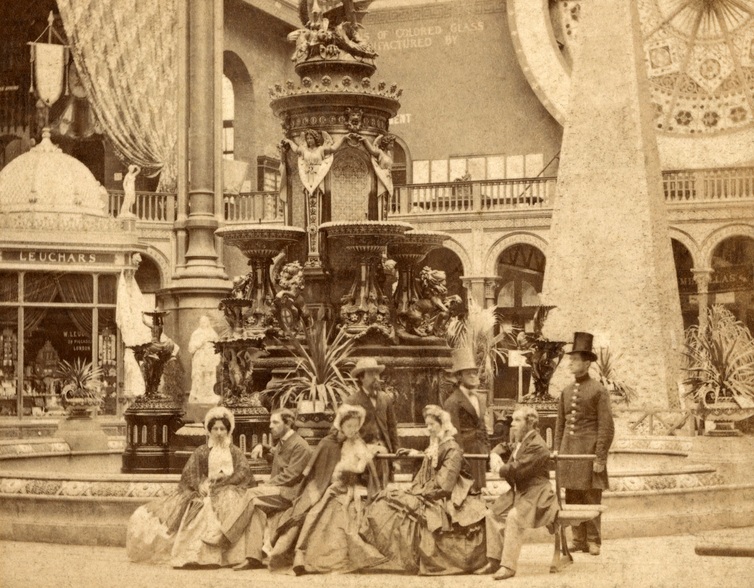
At the Paris Exposition Universelle of 1867, Leuchars received a silver medal, further strengthening the firm’s international reputation.
In 1868, Leuchars established a Paris depot at 34 Rue de Penthièvre. By 1874, the firm had opened a permanent branch at 2 Rue de la Paix.
Following William Leuchars Sr’s death in 1871, his son William took control of the business. At the Paris Exposition Universelle of 1878, Leuchars & Son was awarded a gold medal for its dressing cases and related luxury travelling goods.
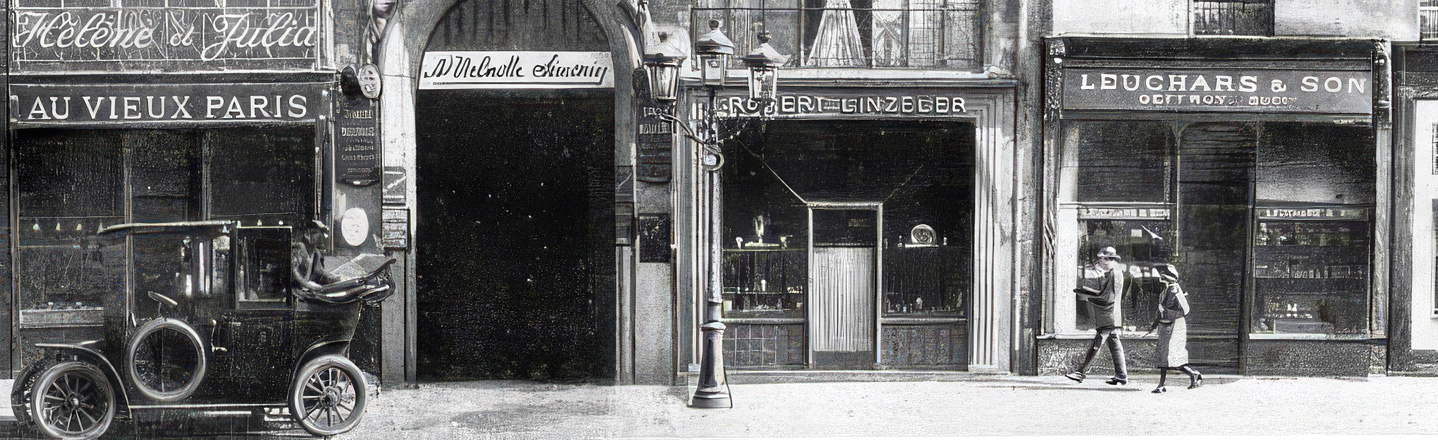
In 1884, following the death of Louis Dee, the manufacturing business of H. W. & L. Dee at 8 Sherwood Street, Golden Square, was assigned to Leuchars & Son. This considerably strengthened the firm’s manufacturing operations in London.
In 1888, Leuchars & Son, together with its Piccadilly retail premises and Sherwood Street manufactory, was acquired by Asprey & Son. The Leuchars name nevertheless continued to be used at 38 & 39 Piccadilly until 1902, when the business was finally consolidated under Asprey.