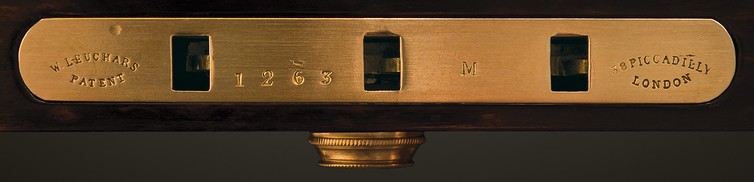
Leuchars Patent Bramah Lock
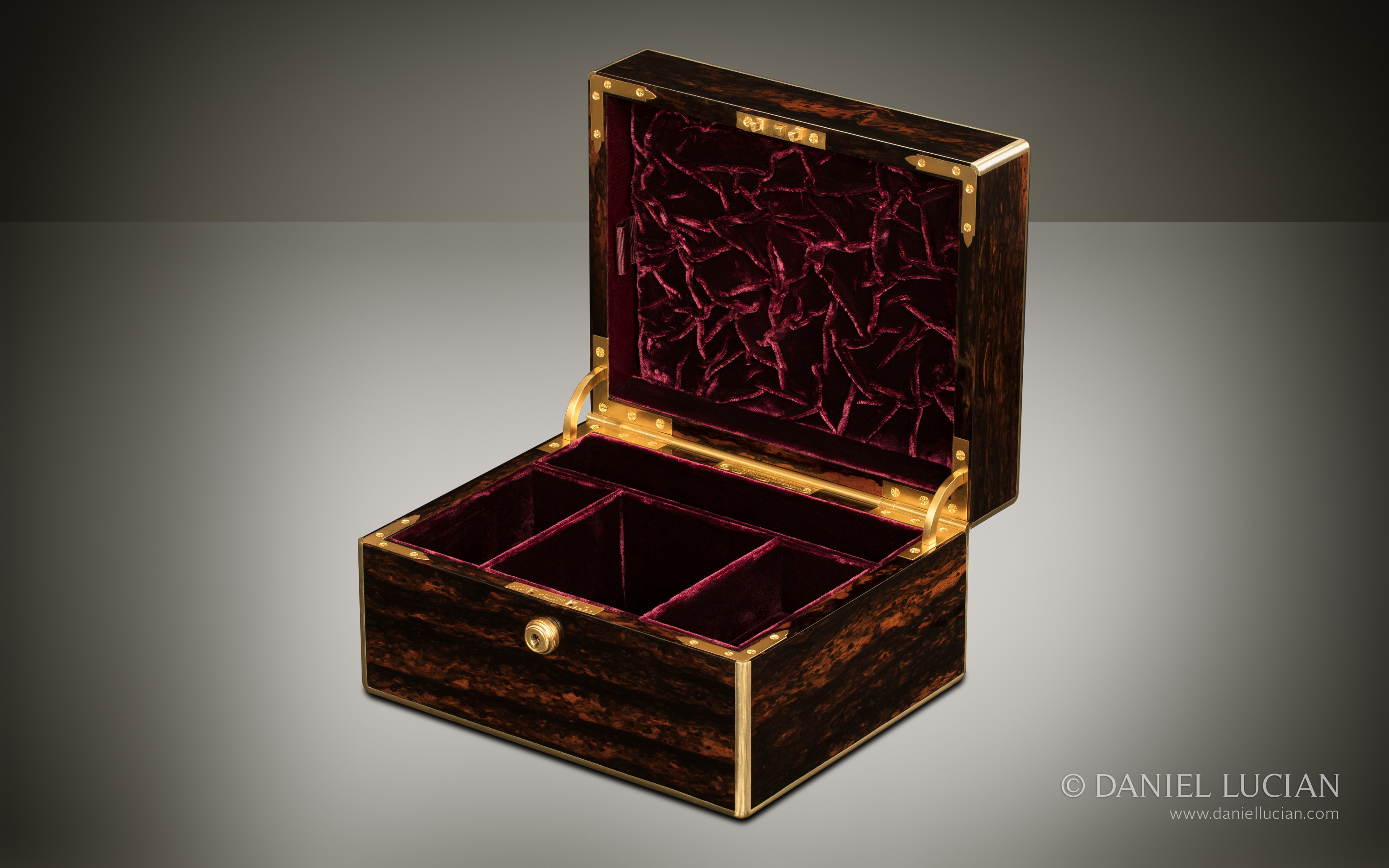
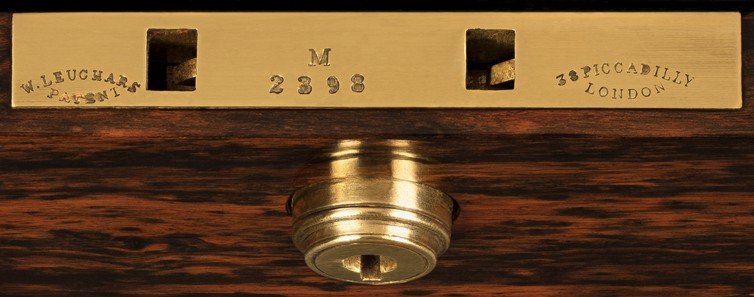
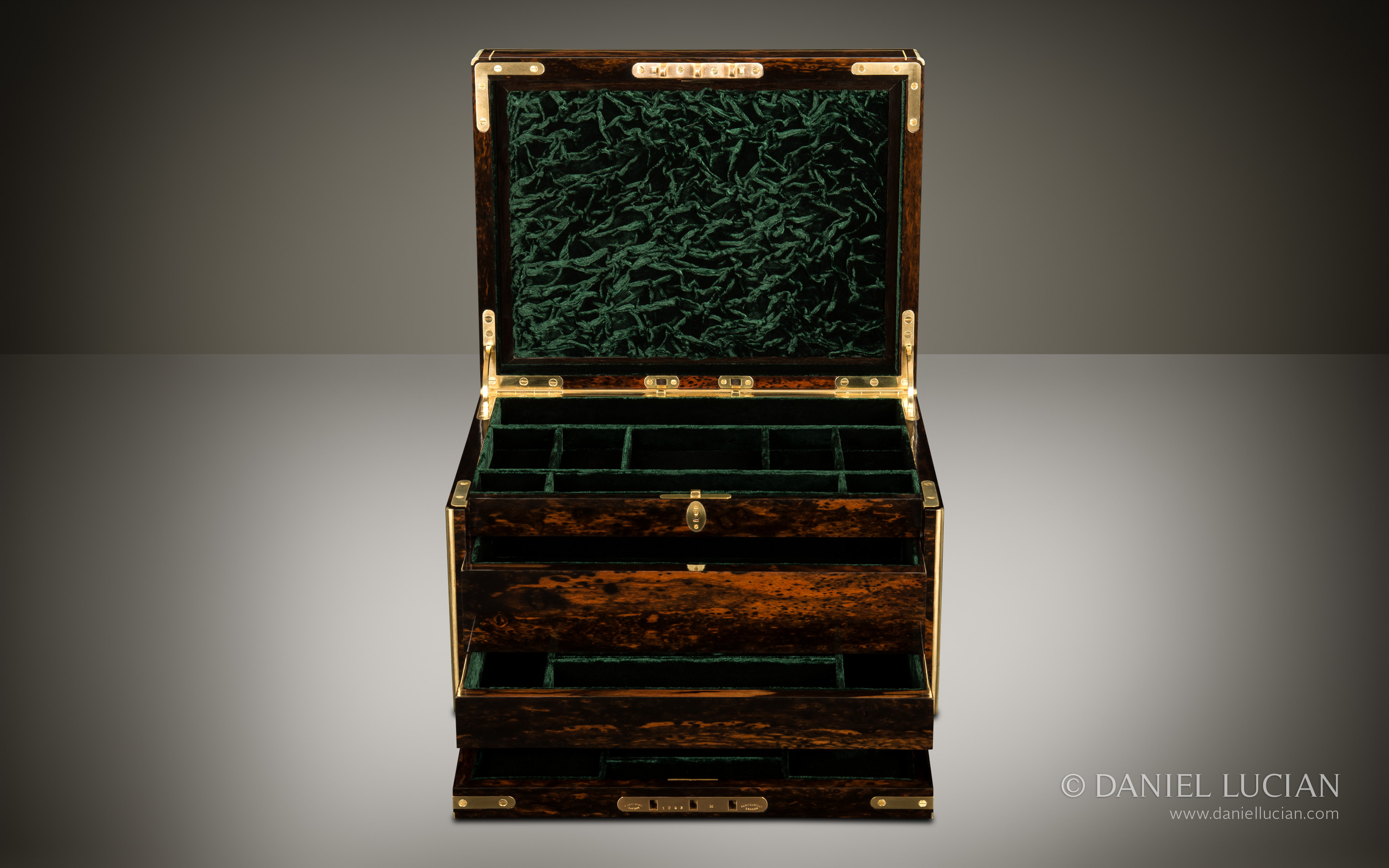
In 1857, William Leuchars patented improvements to locks intended for travelling bags, portfolios, despatch boxes and similar cases. His design was based on the self-locking Bramah lock and allowed the box to be opened without using the key, while still retaining the ability to deadlock the mechanism completely. The patent was granted on 3 March 1857 as no. 620.
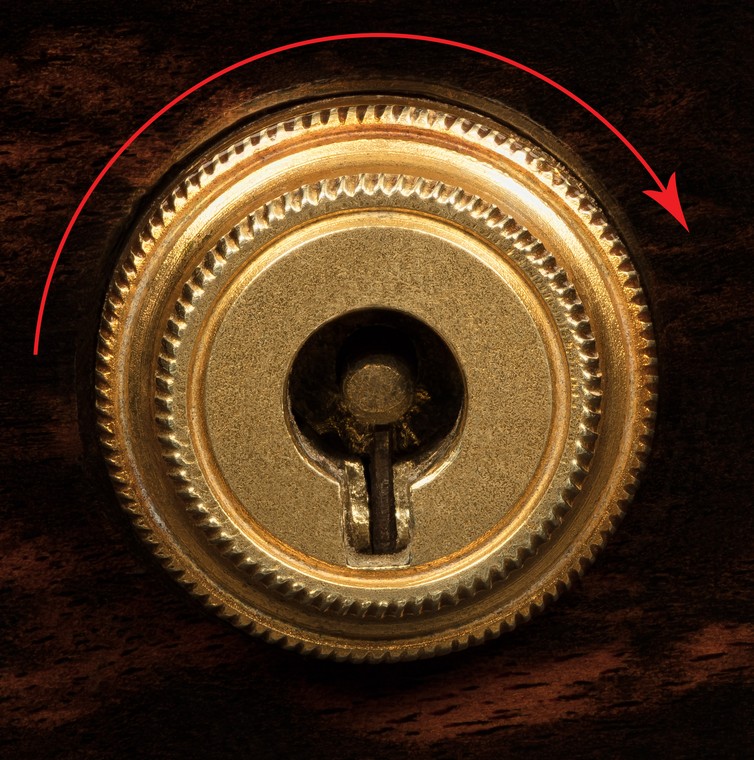
The Leuchars Patent lock operates by twisting the front aperture clockwise, usually through approximately 20–45 degrees, which disengages the locking mechanism and allows the box to be opened. When the box is subsequently closed, the lock automatically re-engages. The aperture can be turned either with the thumb and forefinger or by partially inserting the key and using it as a handle, which makes the twisting action considerably easier.
The key also serves a second purpose. When fully inserted and turned through a complete anti-clockwise rotation, it disables the twisting movement of the front aperture and deadlocks the mechanism. In this state, the box can only be opened again with the key.
The principle is similar to Asprey’s Patent Bramah lock, which also allowed a self-locking box to be opened without the key. The difference lies in the method of release: Asprey used a sliding front aperture, while Leuchars employed a twisting action.
Asprey acquired Leuchars & Son in 1888 and subsequently continued to use Leuchars Patent locks on some of its own boxes, offering them alongside other lock types.