Chubb
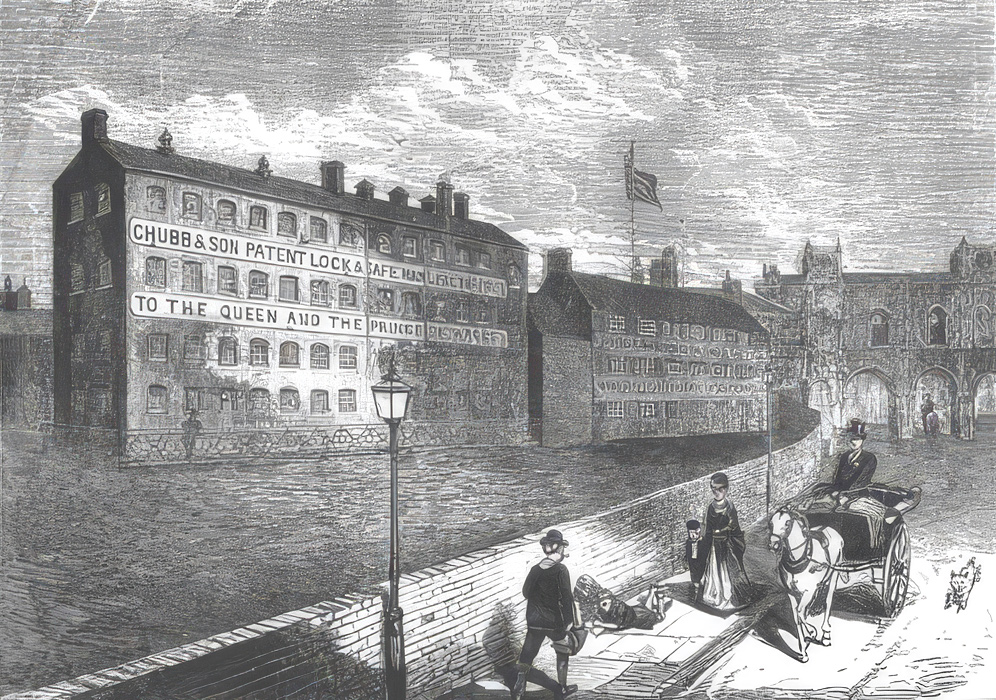
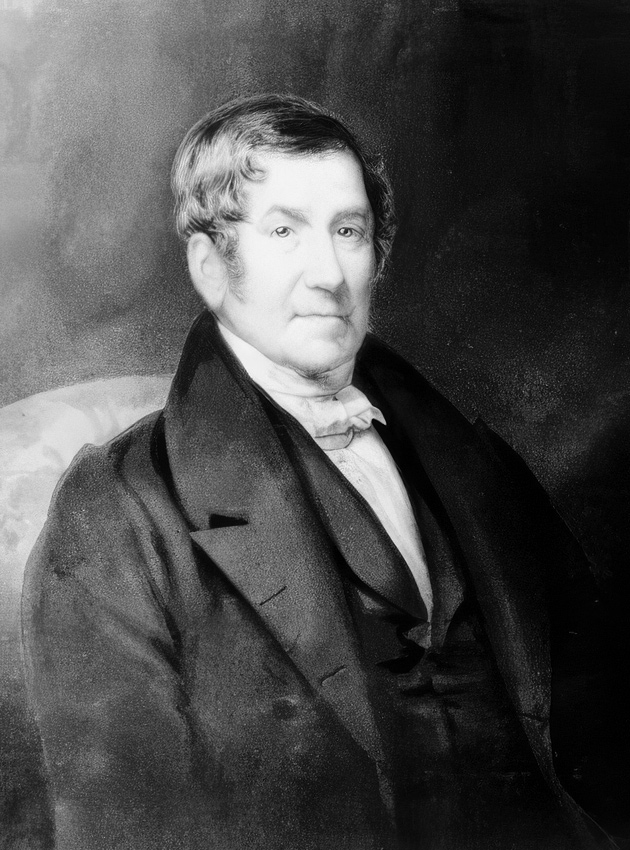
The Chubb lock company was founded in 1818 by brothers Charles and Jeremiah Chubb at their premises on Temple Street, Wolverhampton. The business developed around Jeremiah Chubb’s newly patented ‘Detector’ lock, devised in response to the need for a lock that could only be opened by its correct key.
The Detector mechanism was designed not only to resist picking, but also to reveal when an attempt had been made. If one of the internal levers was raised beyond its correct position, the mechanism would engage and render the lock inoperable until it was reset.
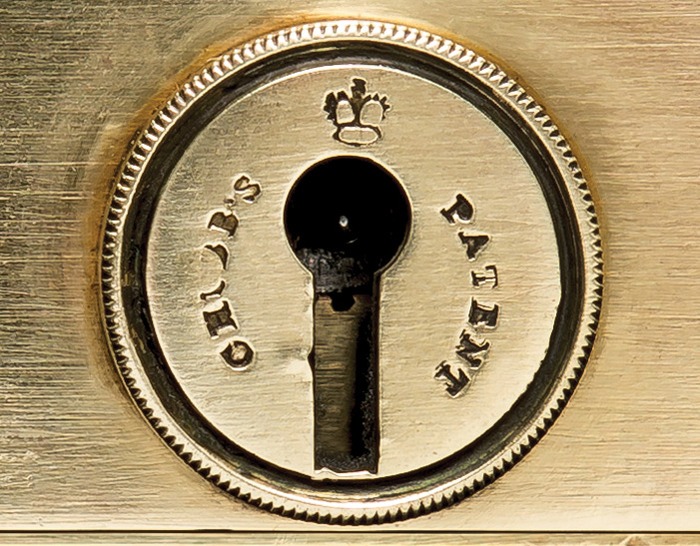
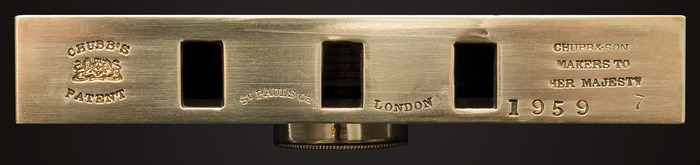
In 1823, Chubb was awarded a Special Licence of the Royal Household by King George IV. The firm later became the sole supplier of locks to the General Post Office, as well as supplying locks to the prison service.
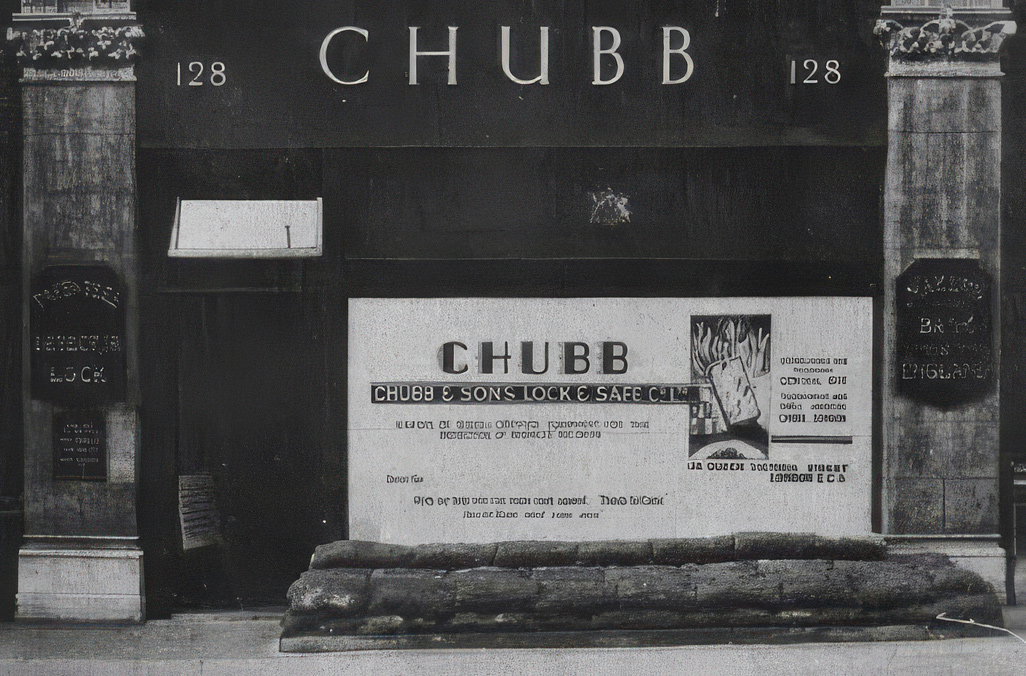
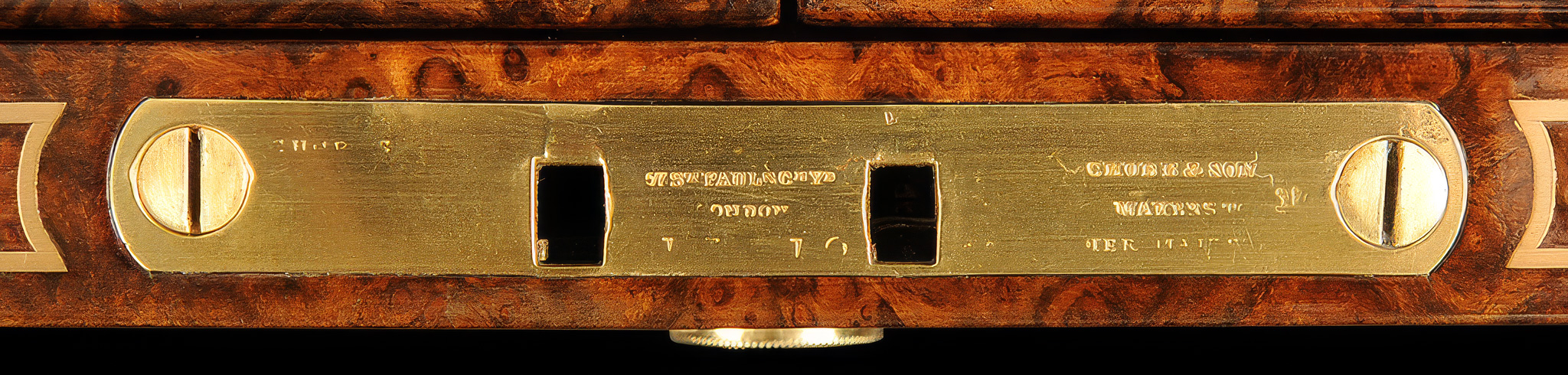
In 1827, Chubb opened its first London premises at 57 St Paul’s Churchyard. The firm remained at this address until 1877, when it moved to 128 Queen Victoria Street, London. During this period, under the leadership of John Chubb, Charles’s son, and later John’s three sons, the company continued to expand its operations in both Wolverhampton and London.
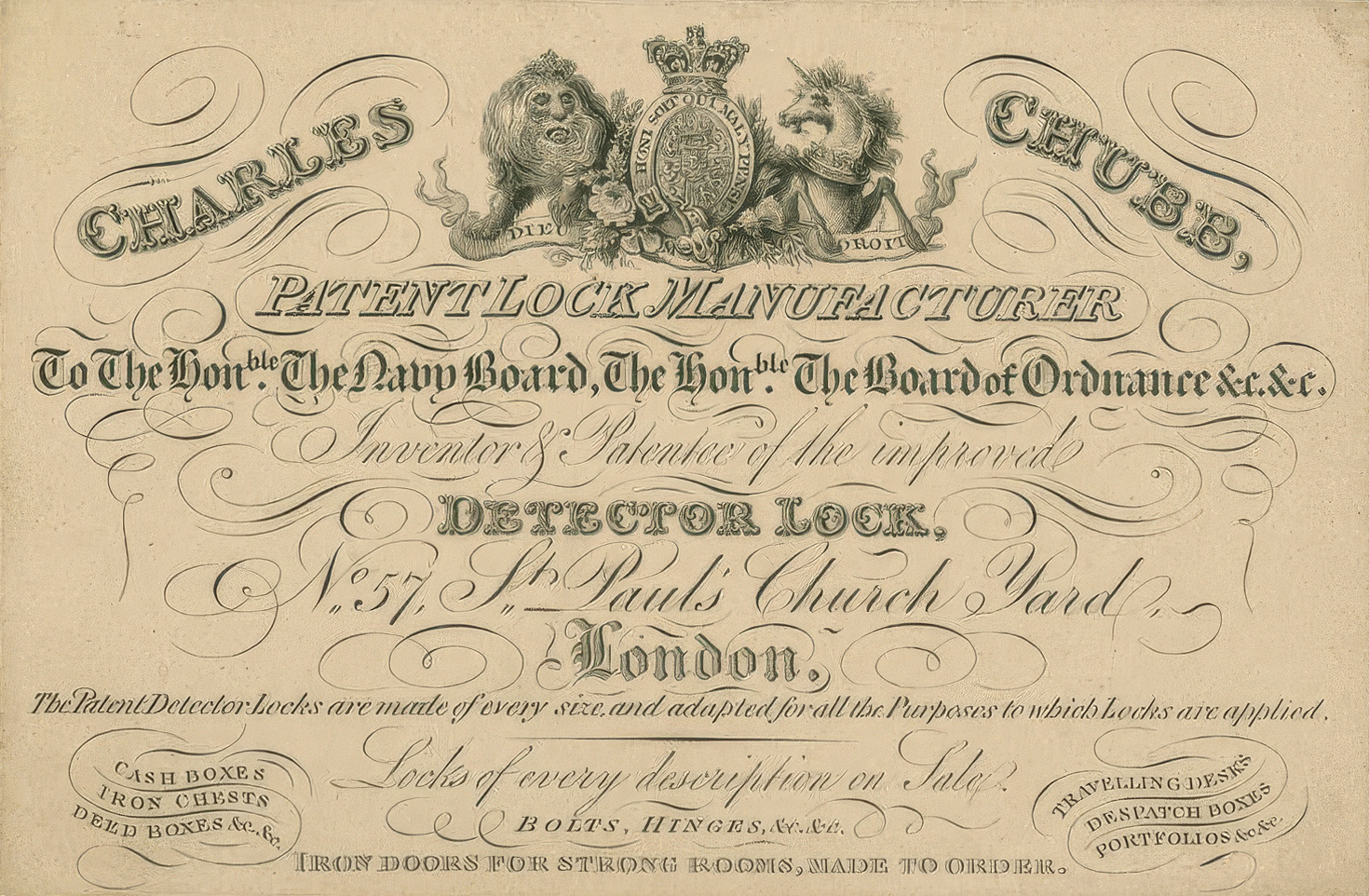
The firm’s royal connections were further strengthened in 1841, when Chubb received a Royal Warrant to Prince Albert.
Jeremiah Chubb’s Detector lock retained its formidable reputation for more than thirty years. It was not until 1851 that Alfred Charles Hobbs, the American locksmith who also succeeded in opening Joseph Bramah’s celebrated ‘Challenge Lock’, successfully picked a Chubb Detector lock. Hobbs’s demonstrations became part of the wider ‘lock controversy’ surrounding the Great Exhibition of 1851.
At the Great Exhibition itself, Chubb & Son were awarded a Prize Medal for their locks and safes, with special approbation.
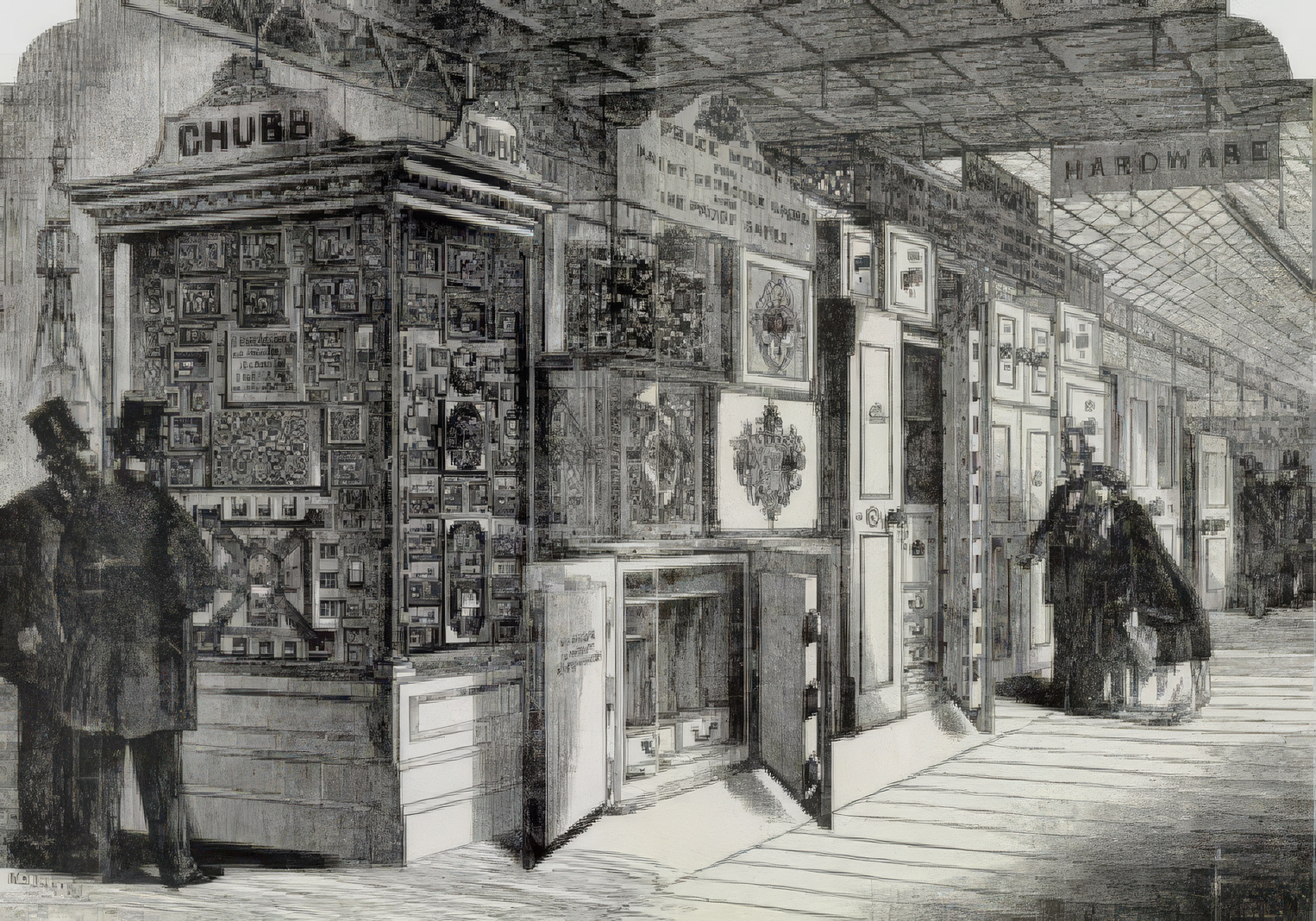
By the mid nineteenth century, the company had expanded well beyond the manufacture of locks, advertising fireproof safes, cash boxes and deed boxes alongside their celebrated Detector locks. The Chubb name subsequently became one of the best known in the field of locks and security equipment.