Mirrors
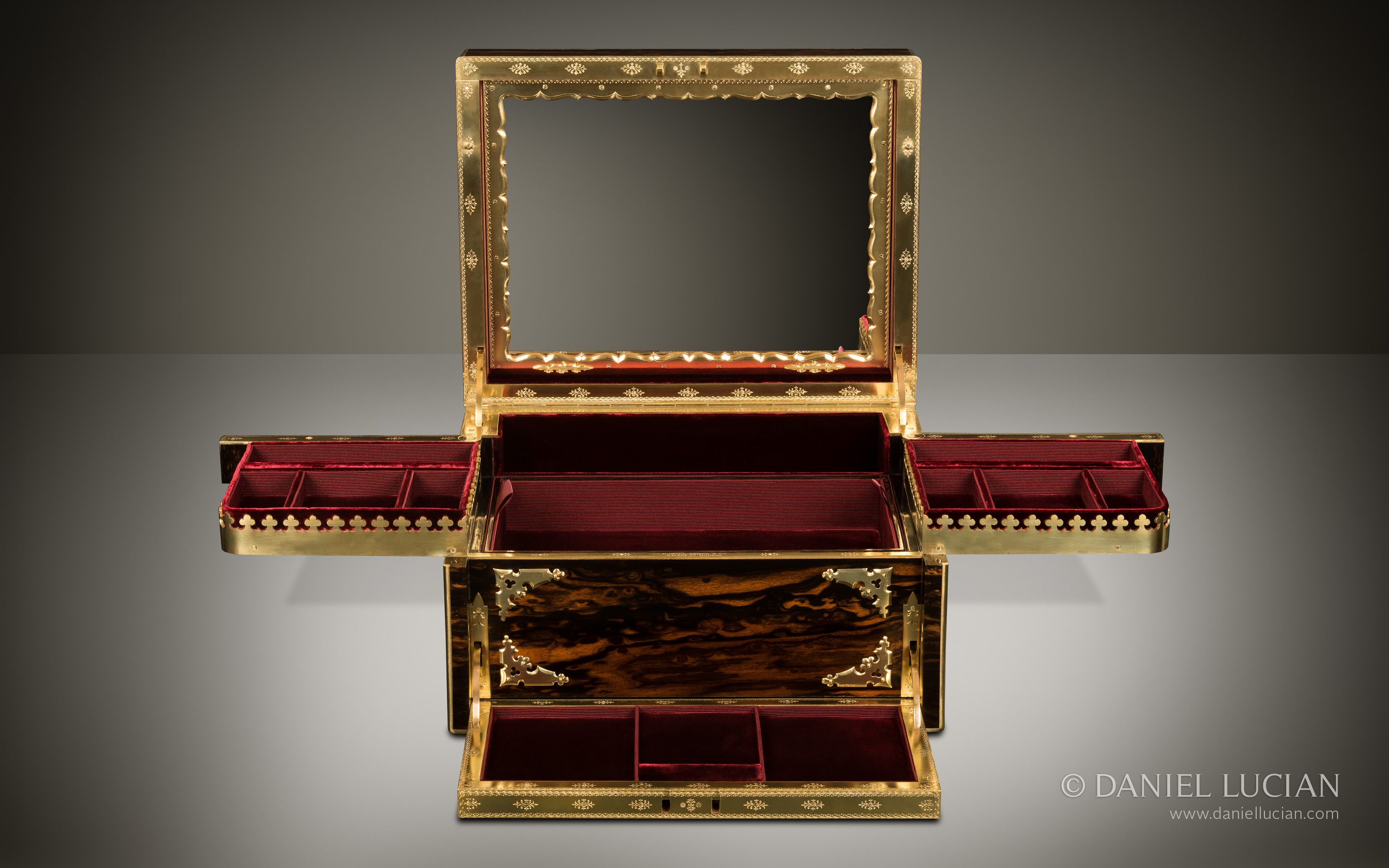
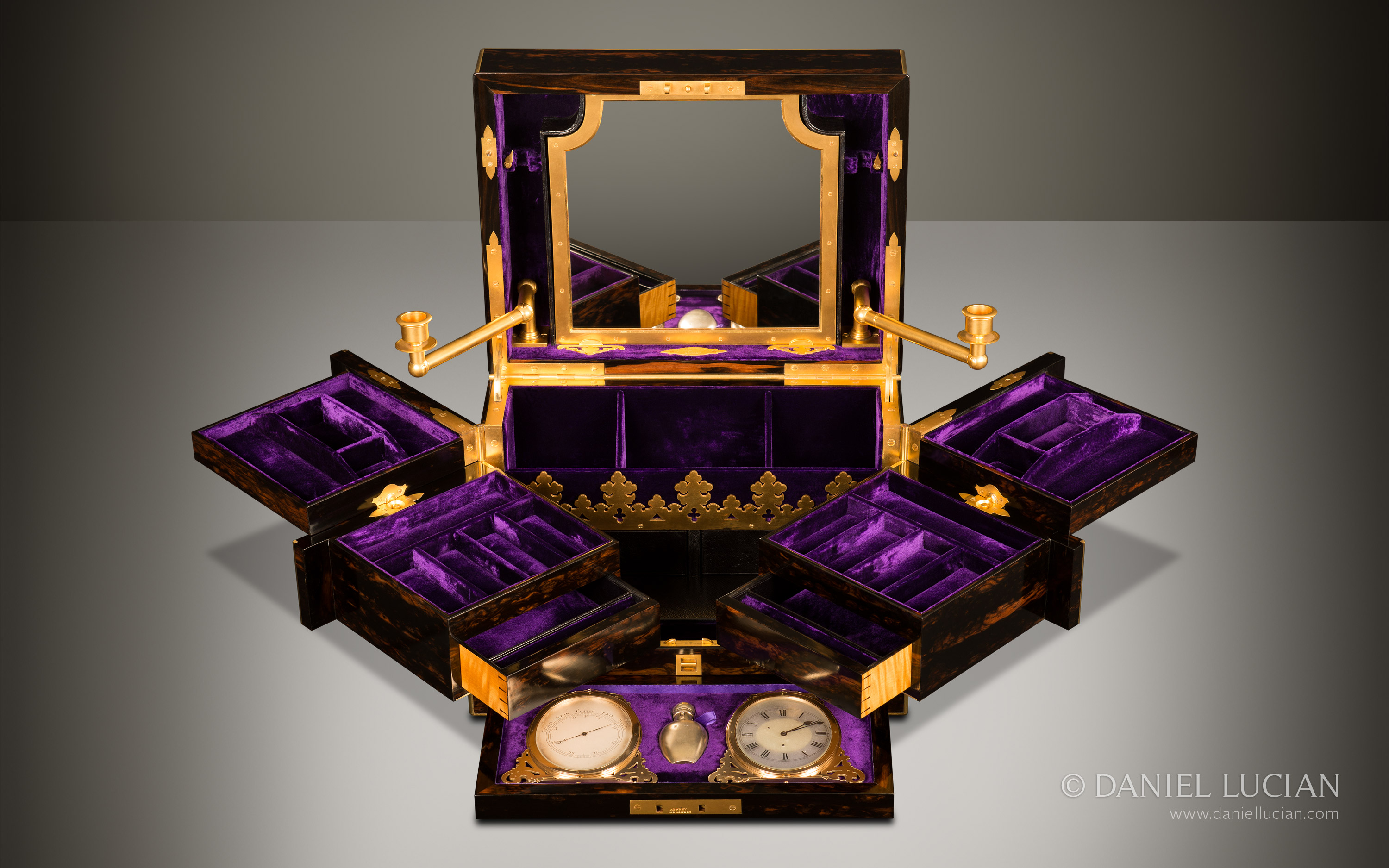
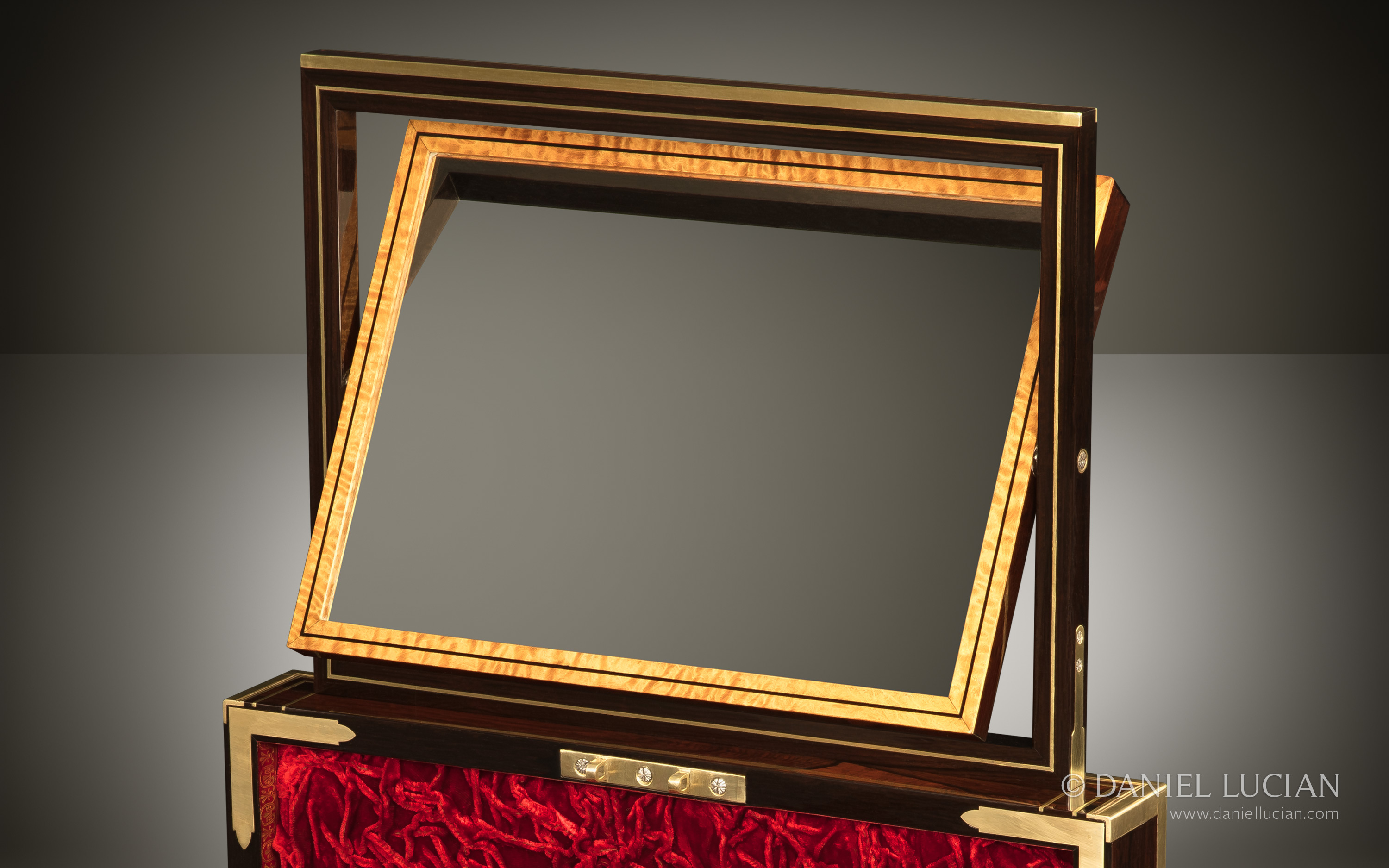
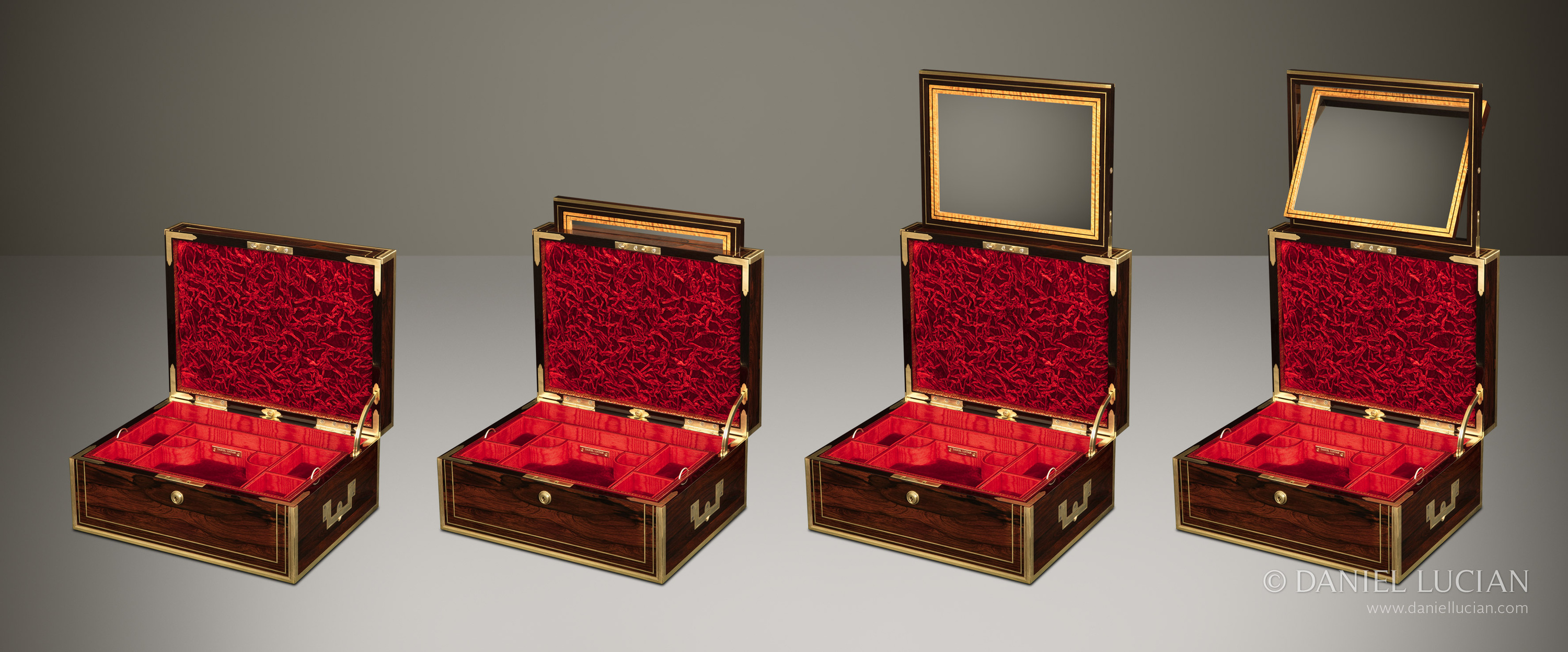
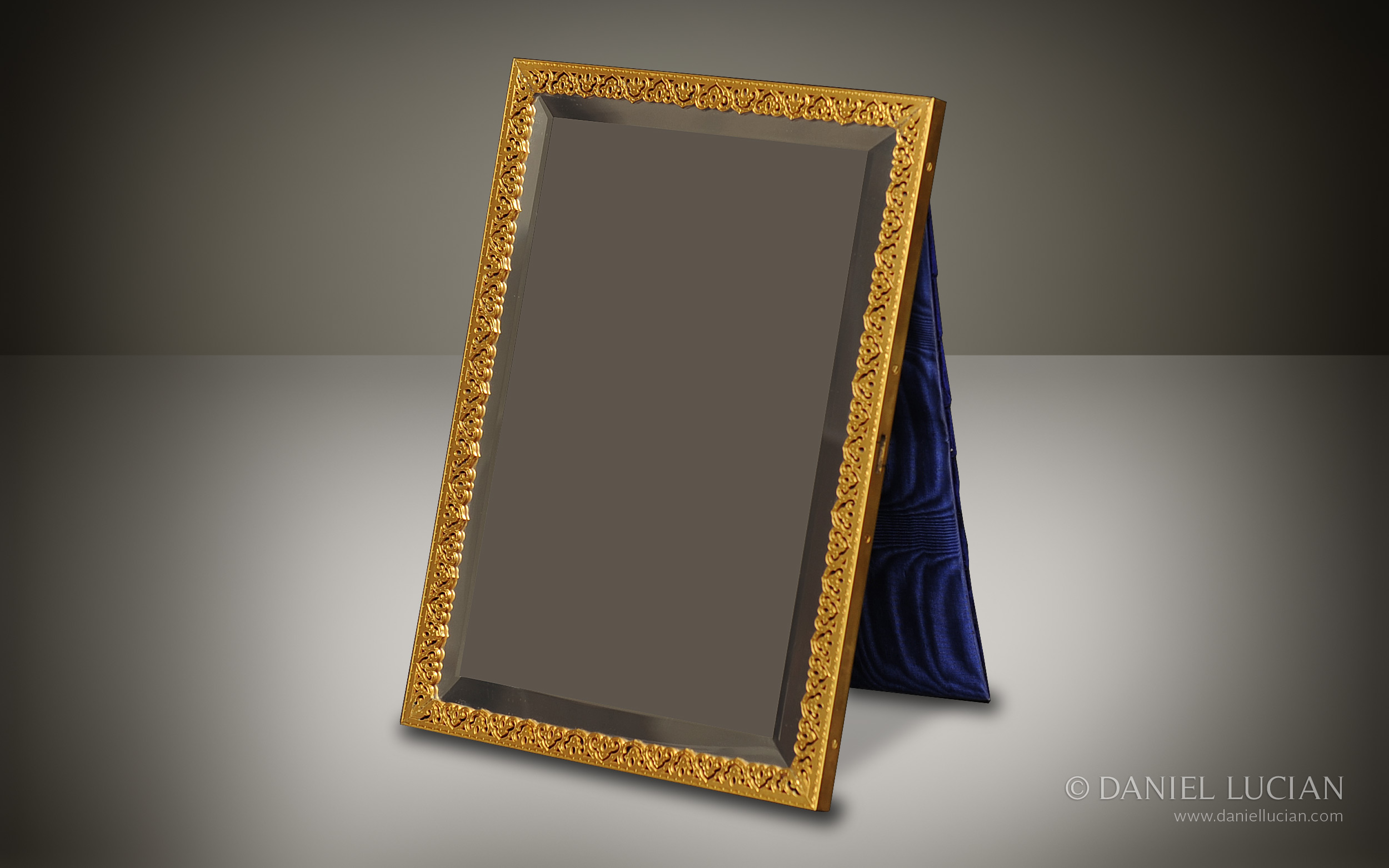
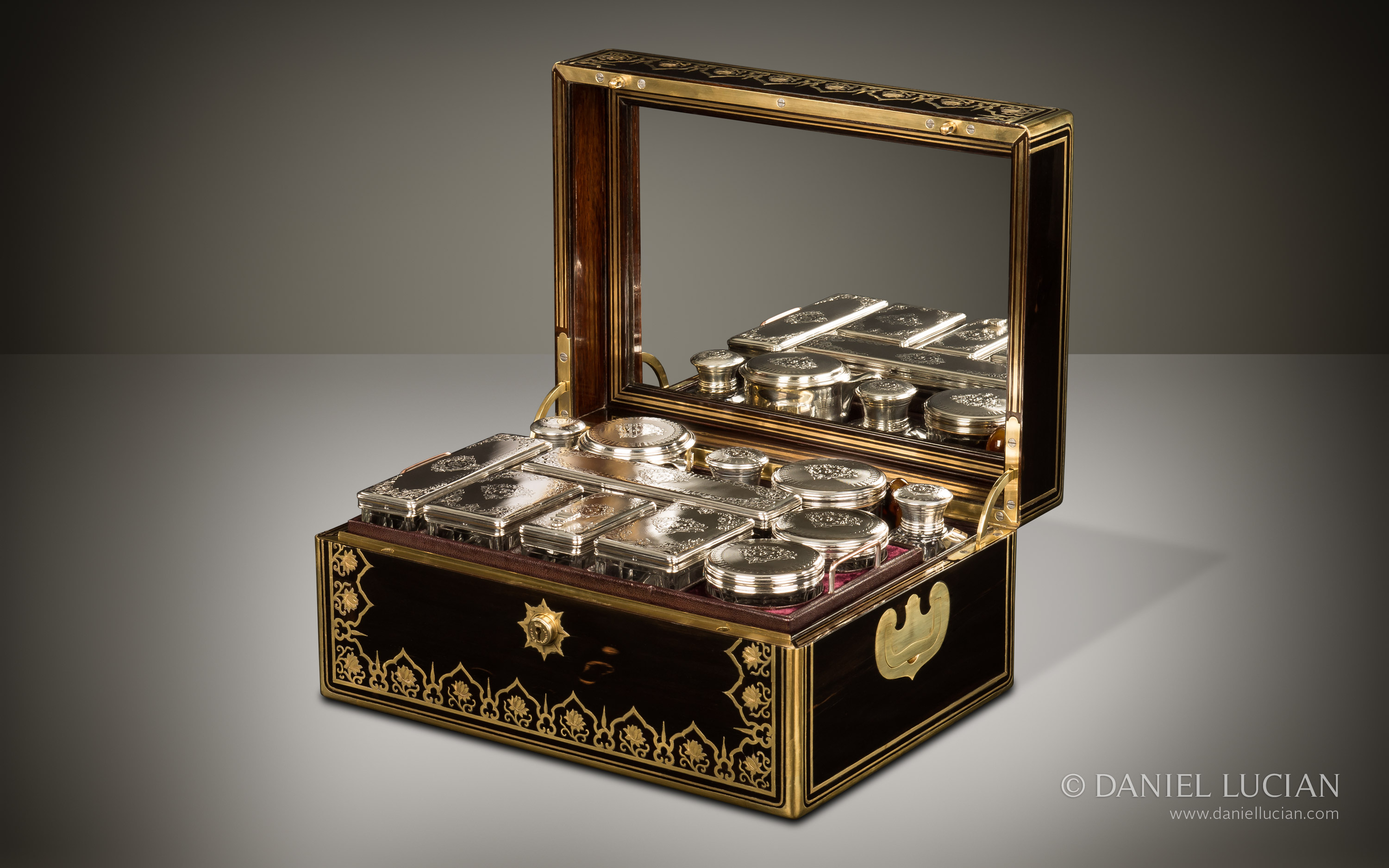
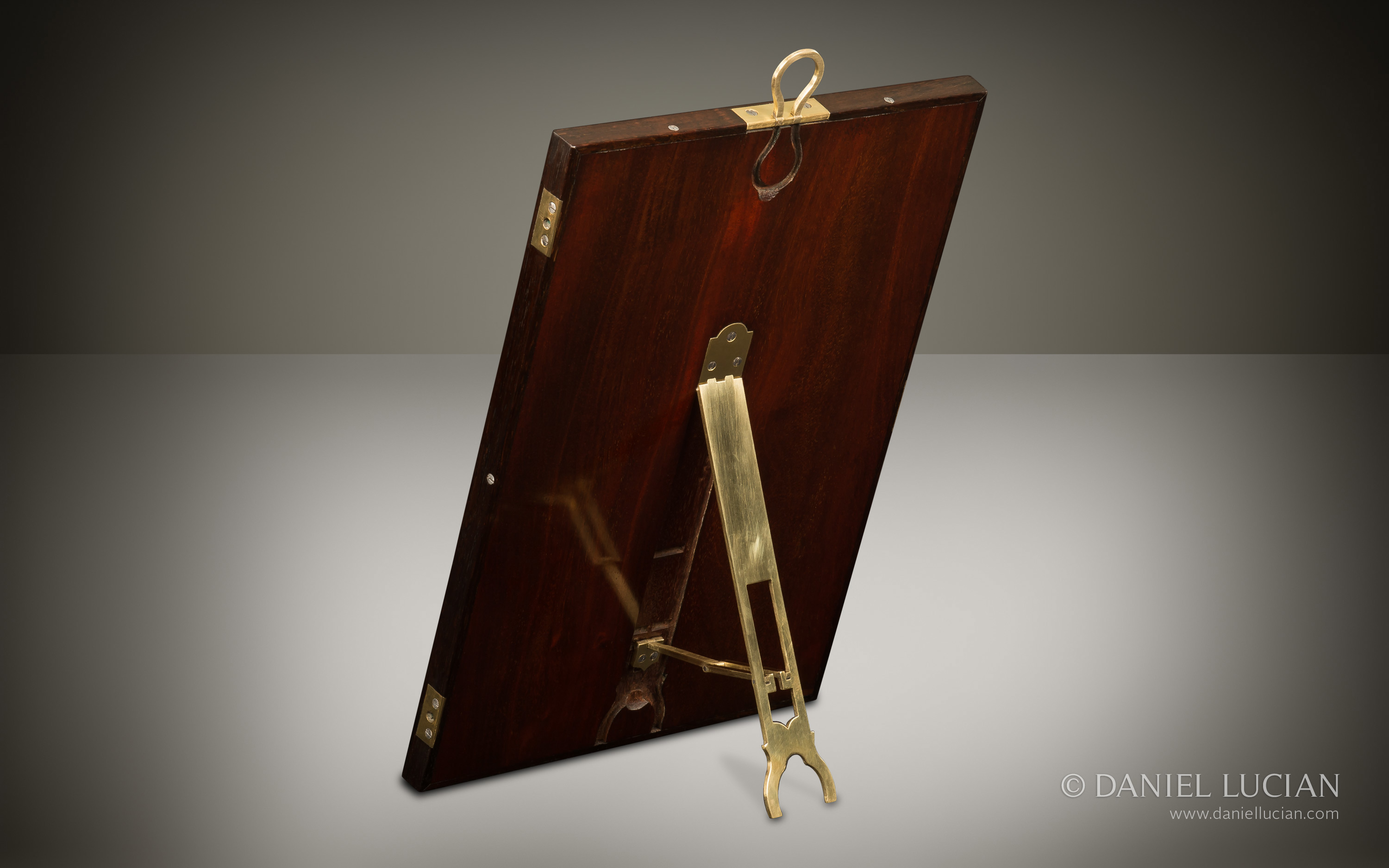
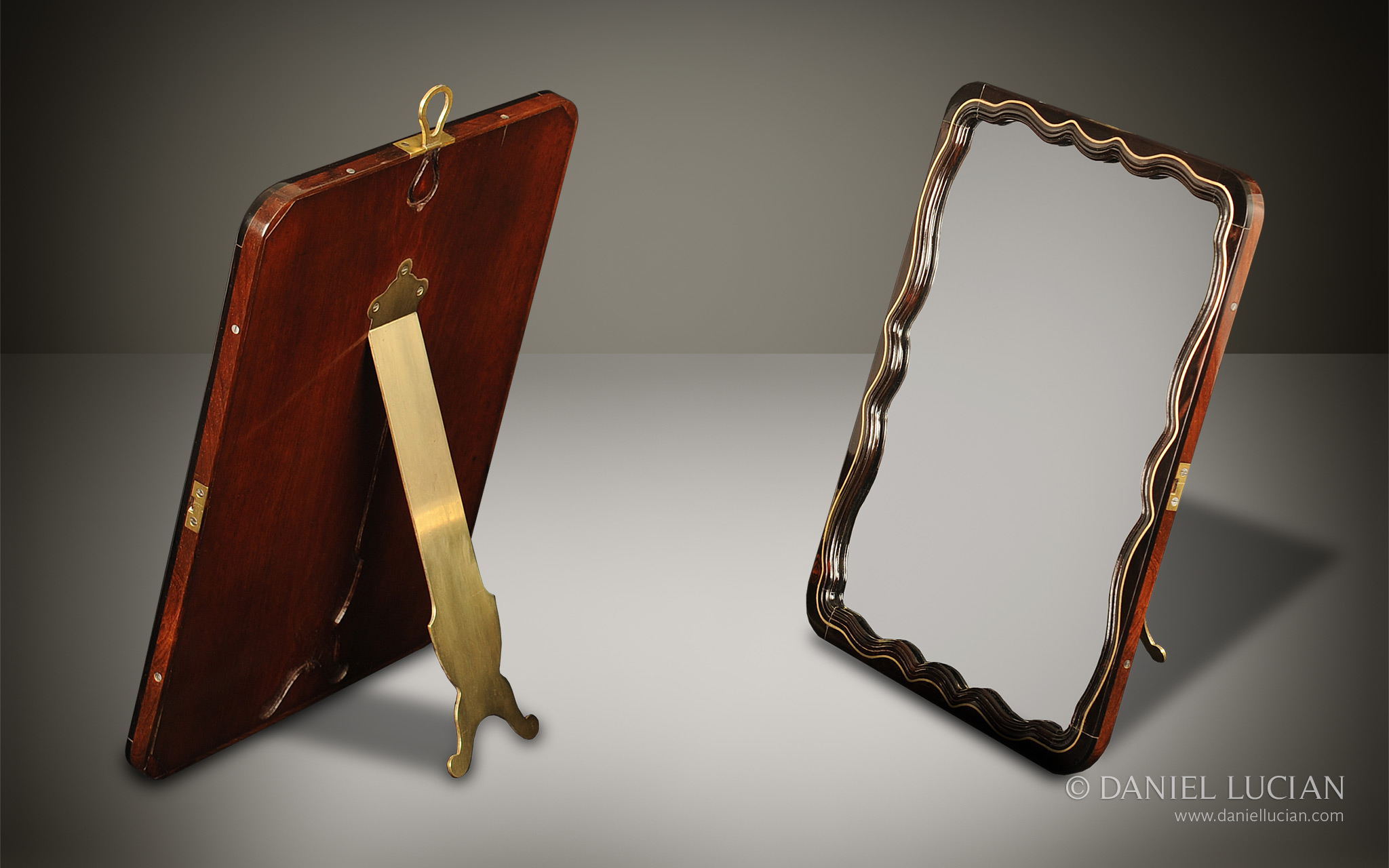
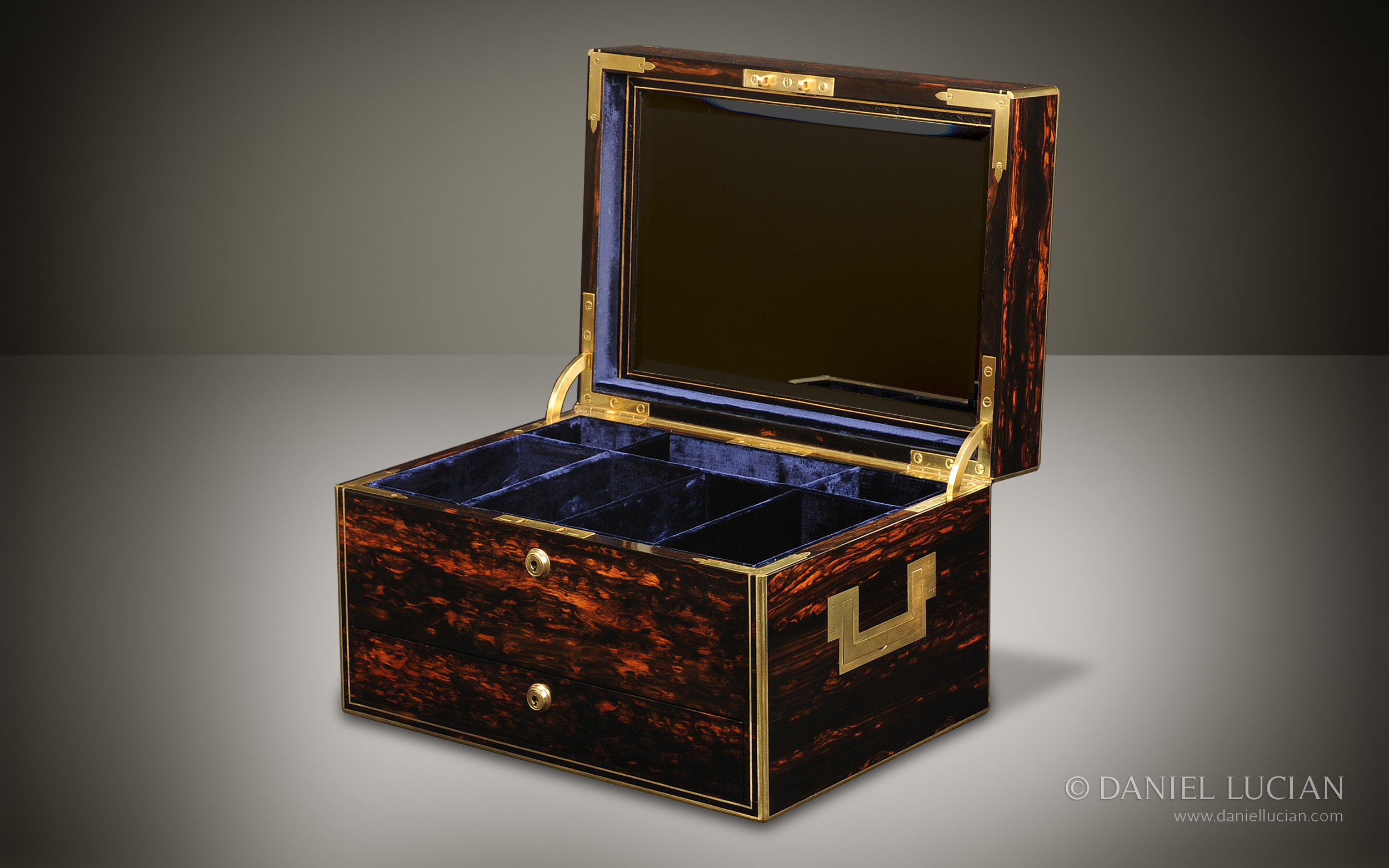
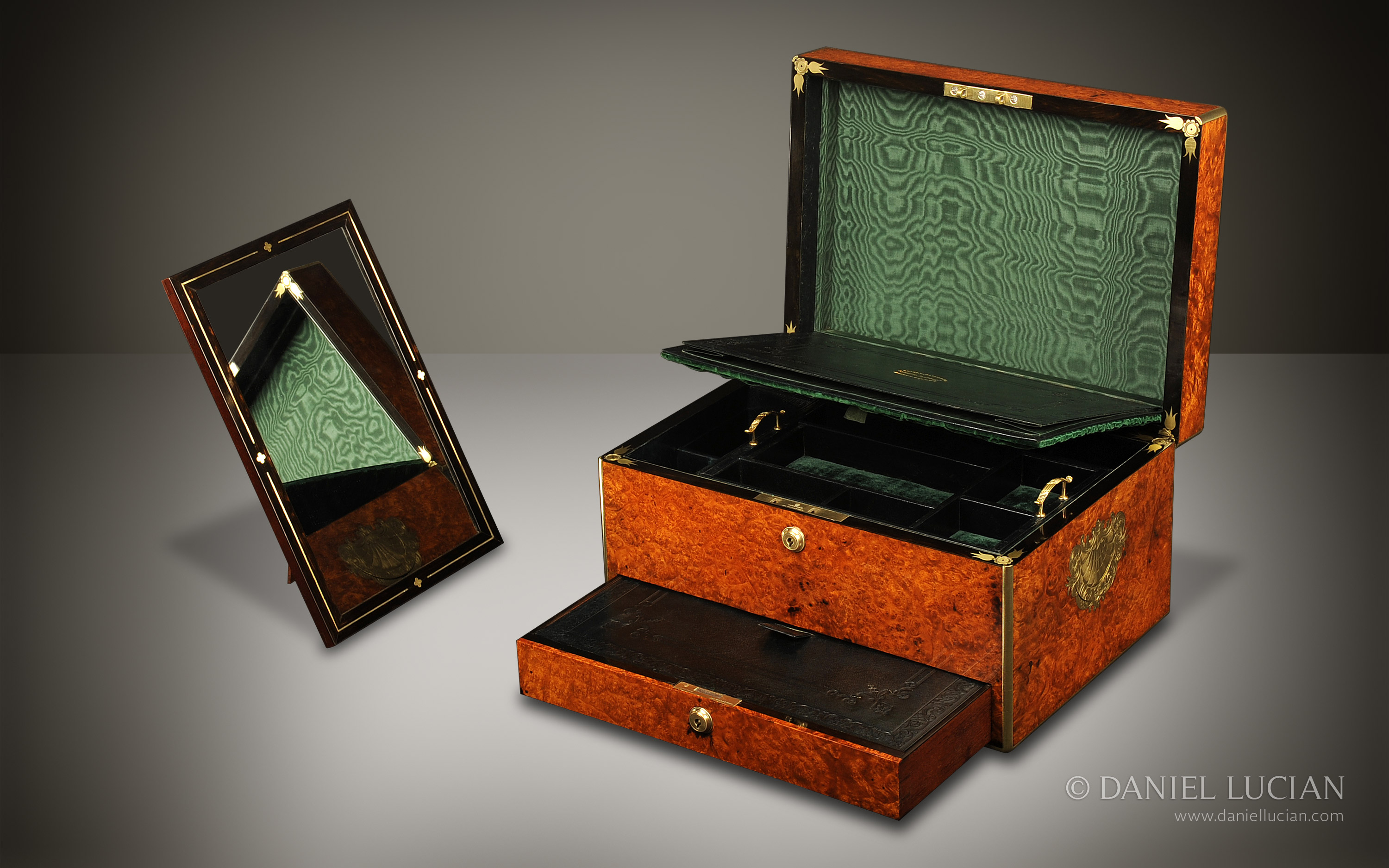
Mirrors were an important feature of many dressing cases. Larger removable mirrors were commonly stored within the lid and could be fitted with folding stands, allowing them to be placed independently on a dressing table or other surface. Some cases incorporated adjustable hinged supports so that the viewing angle could be altered while the mirror remained attached to the case.
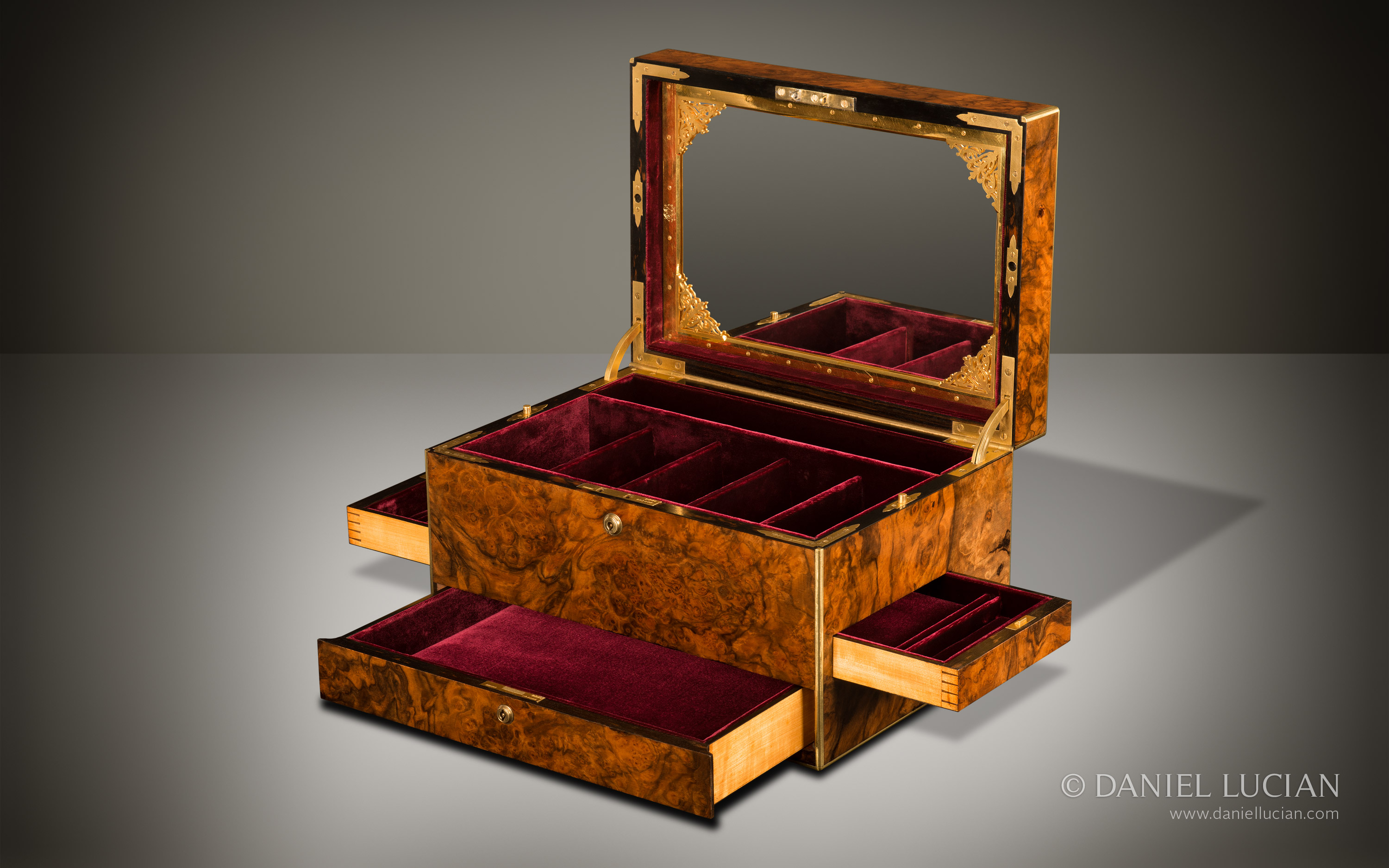
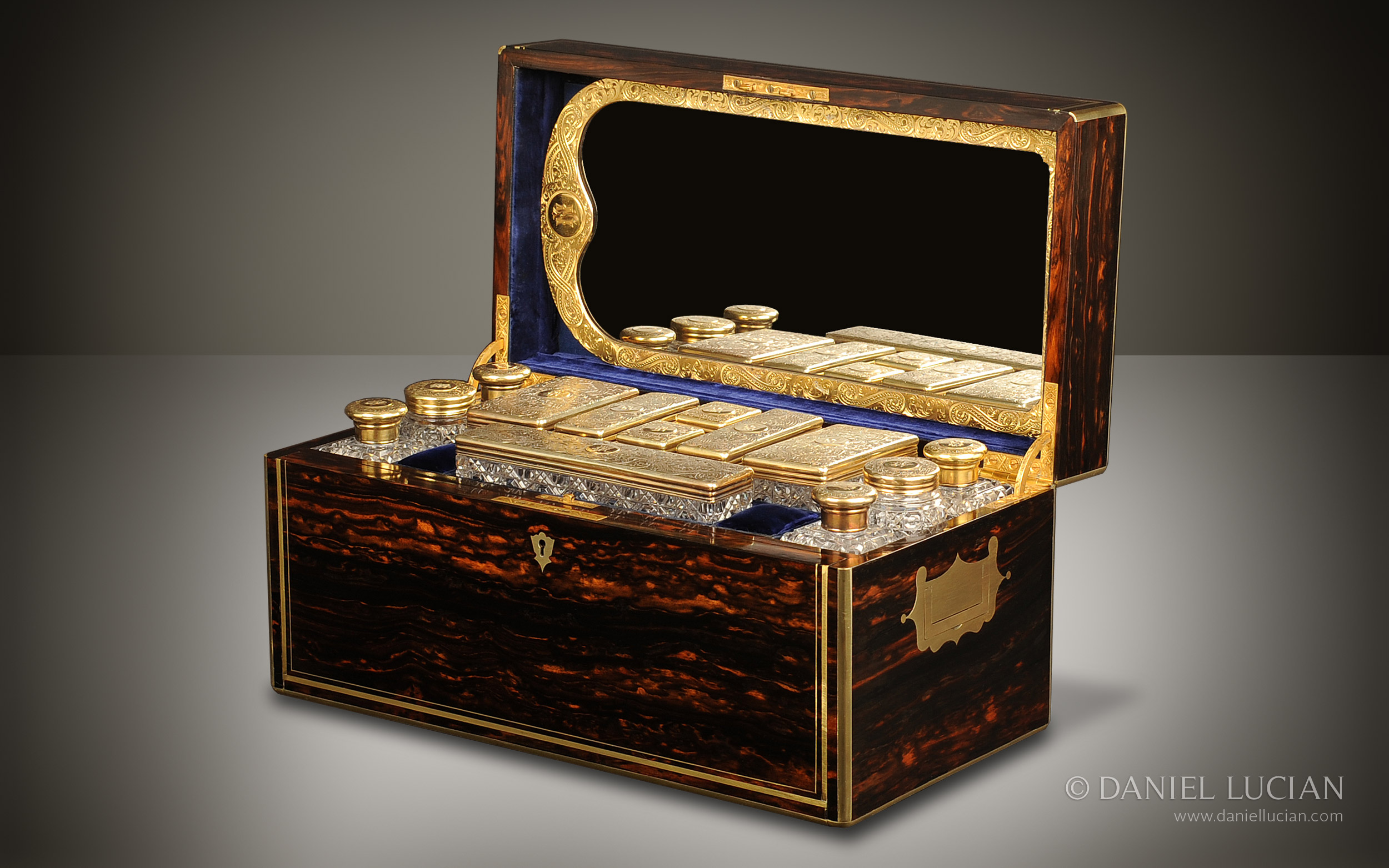
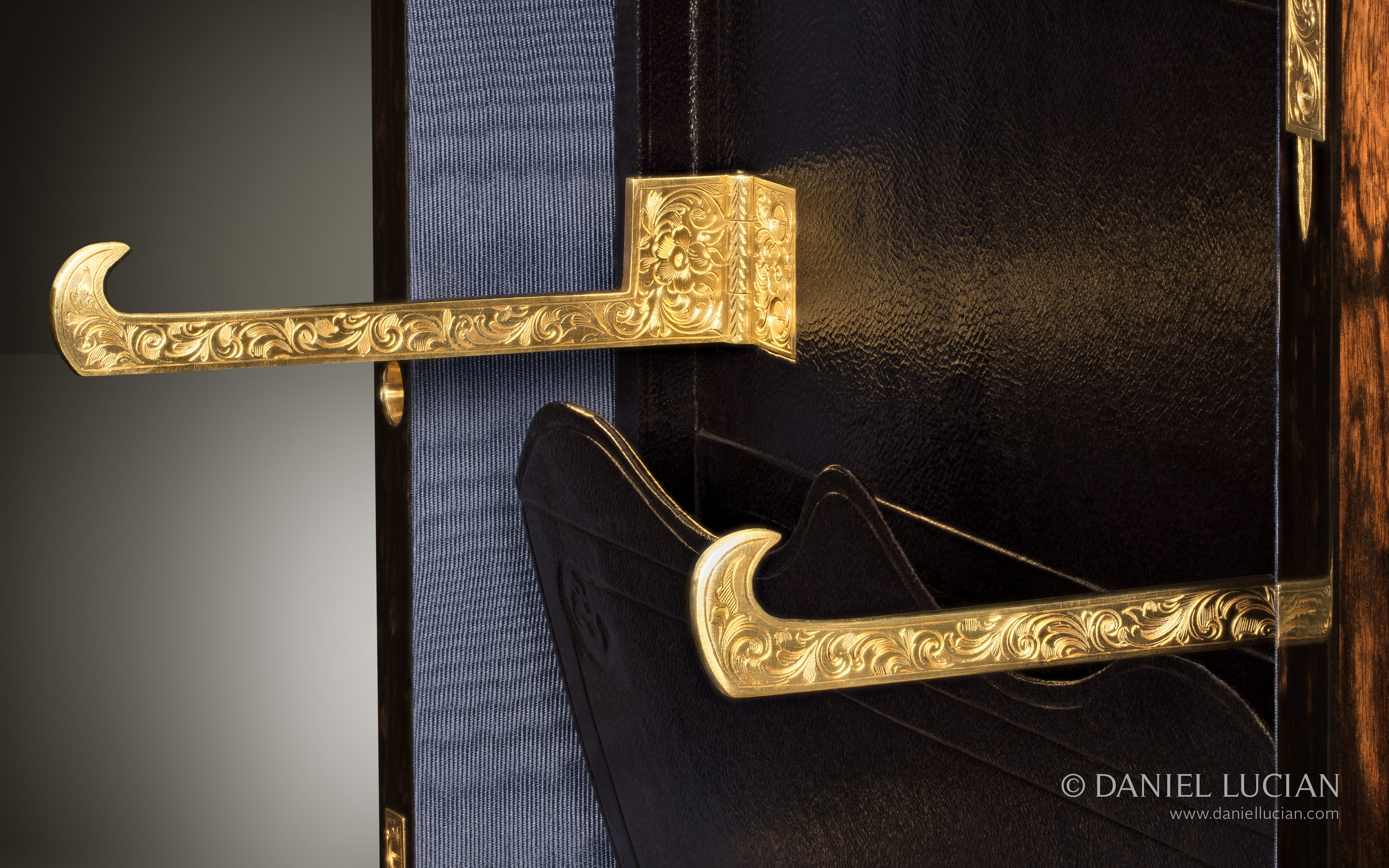
Mirrors might be concealed behind leather-bound or velvet-lined panels or held visibly within the lid by discreet spring-loaded mechanisms. Earlier examples tended to have relatively restrained frames, while Victorian mirrors often became more elaborate in keeping with the increasingly decorative interiors of dressing cases.
Some mirror panels were reversible, displaying a ruched velvet-covered surface when the mirror itself was not required. These panels could also conceal letter wallets or other hidden compartments behind them.
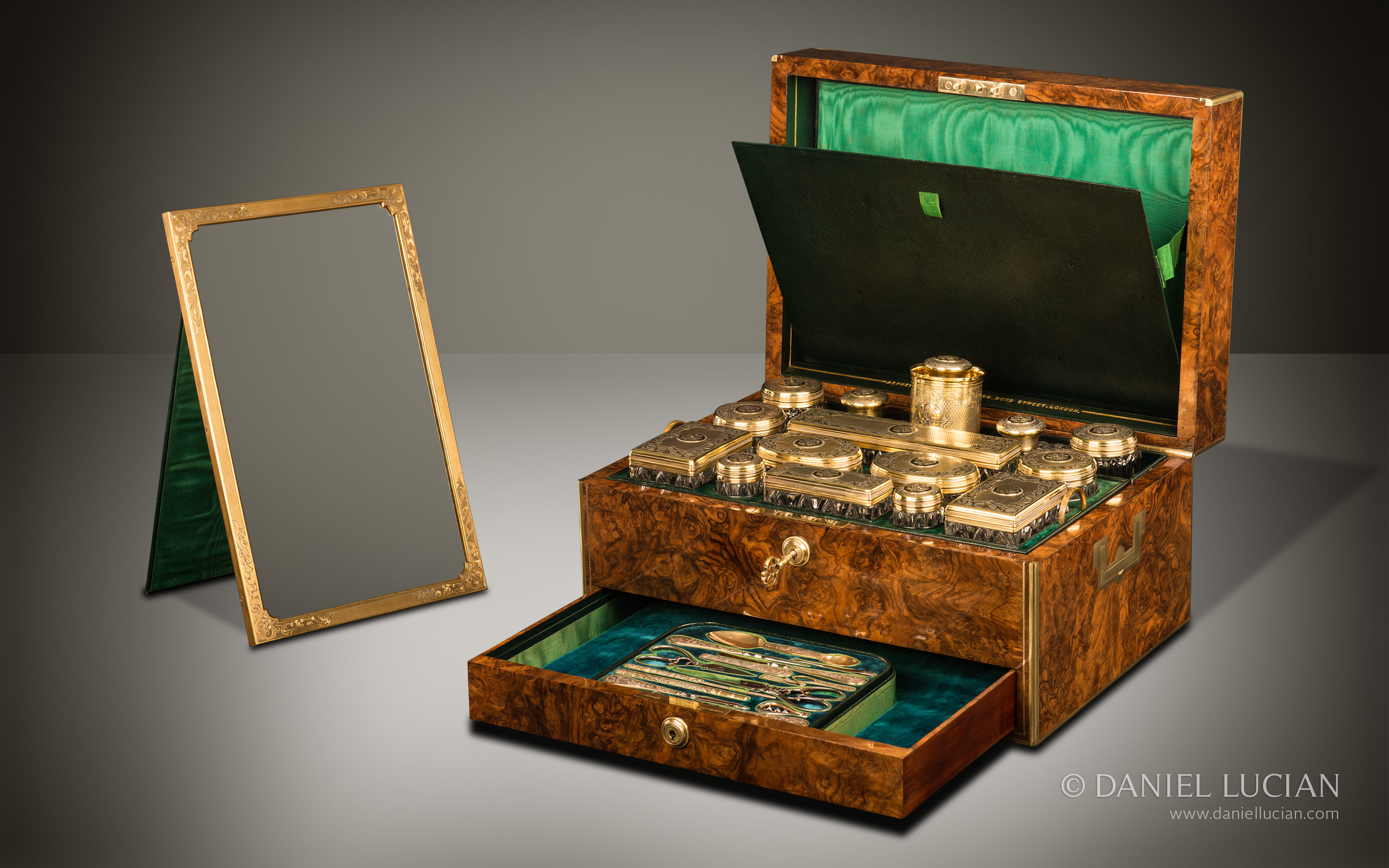
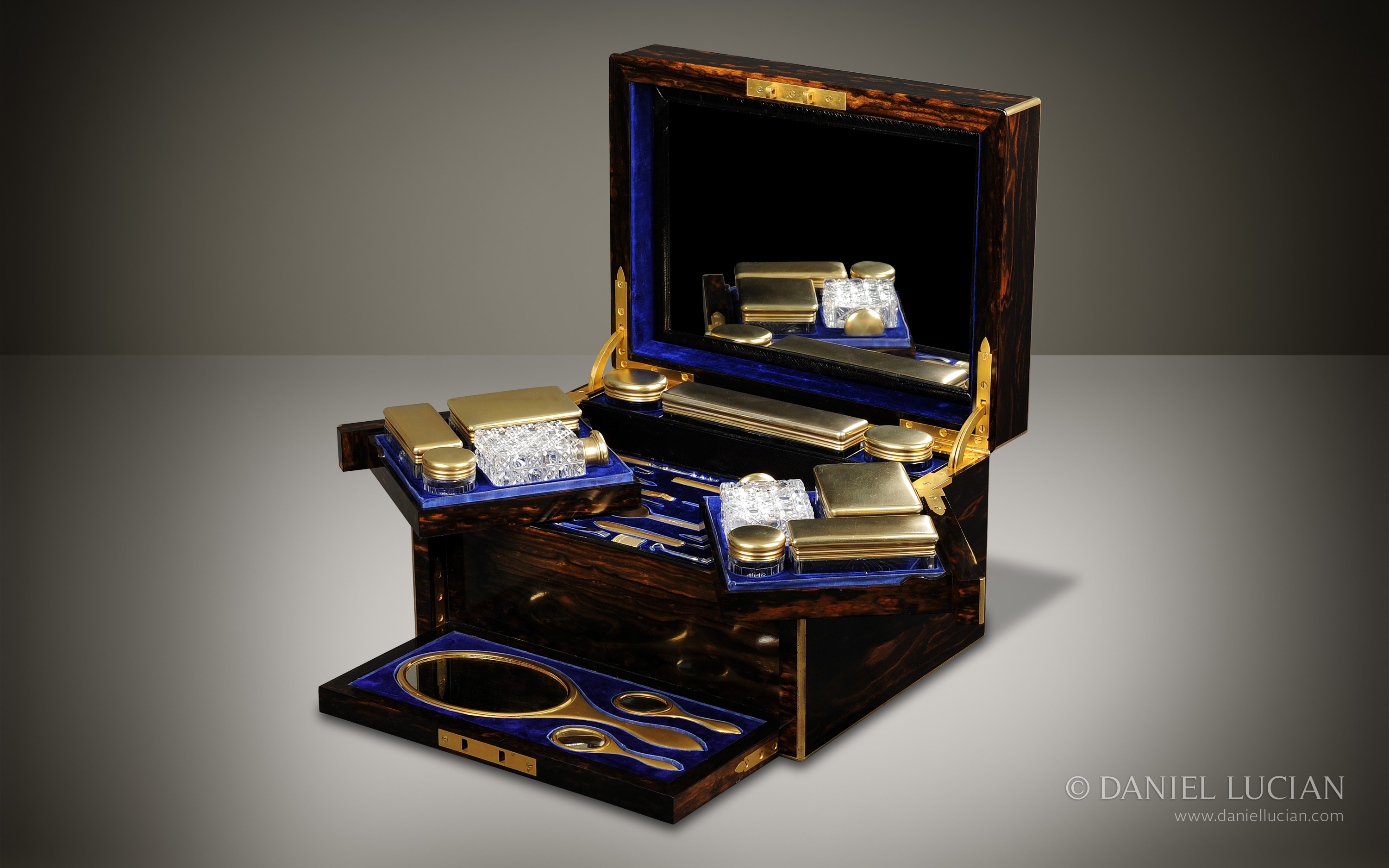
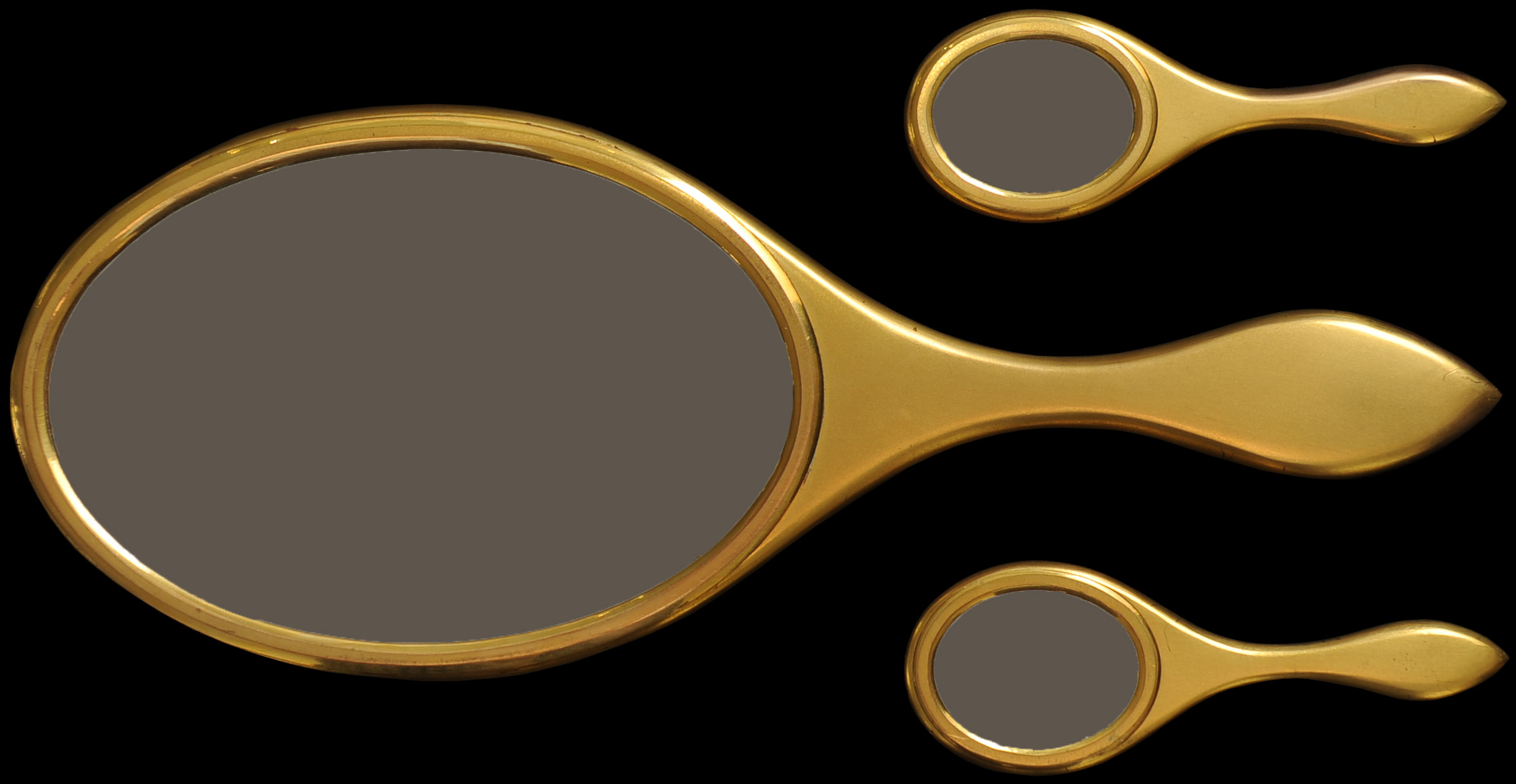
Larger dressing sets sometimes included separate hand mirrors. These could be framed in ivory, mother-of-pearl, wood or metal and stored behind the main lid mirror, within tool trays or in fitted drawers and compartments.
Three types of mirror glass are commonly encountered: standard flat glass, convex glass providing a wider field of view, and concave glass producing a magnified reflection for close grooming.
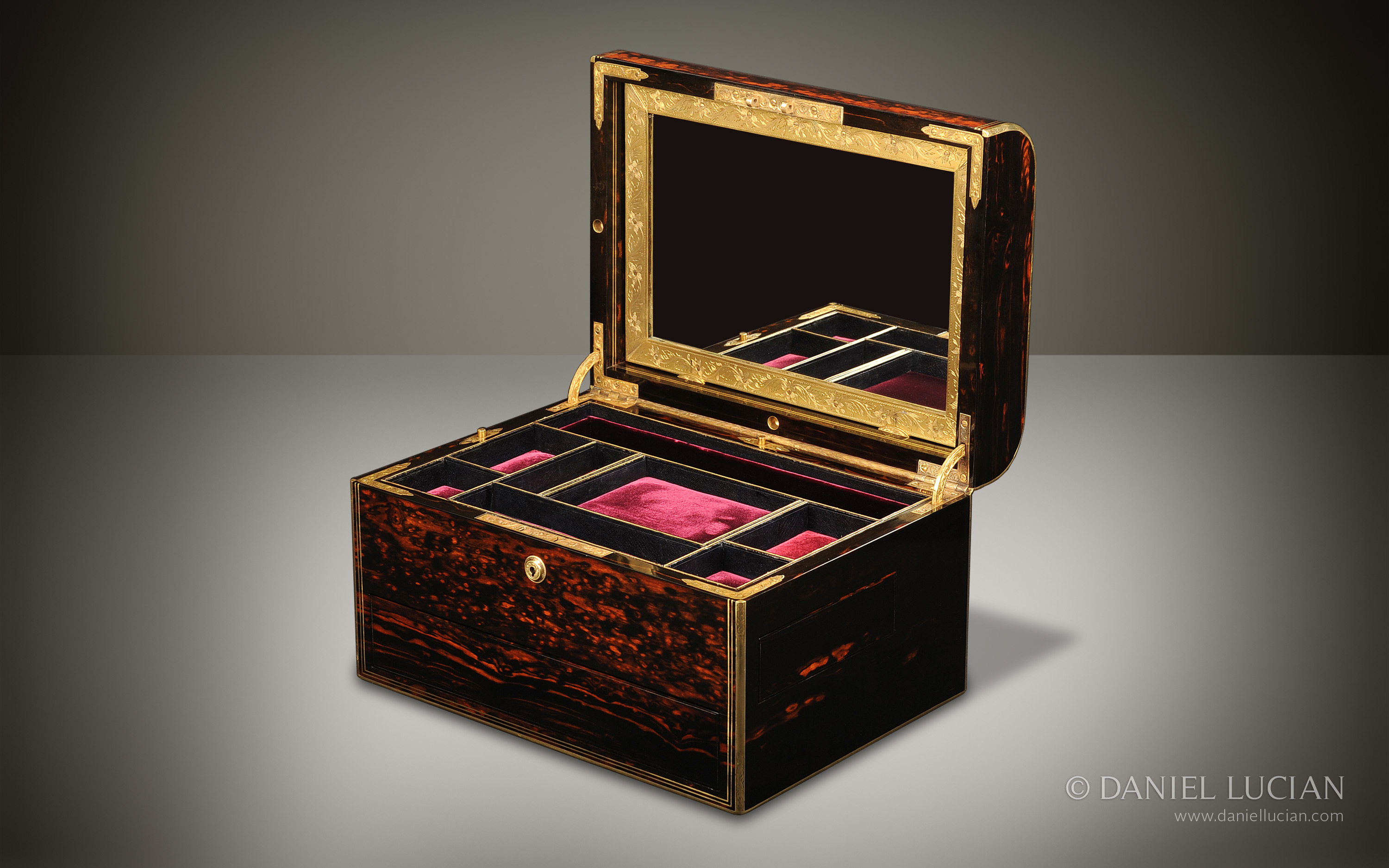
Mirror frames were made in a wide variety of forms. Wooden examples could be veneered, brass-inlaid or leather-covered, while metal frames were commonly made from brass and occasionally silver. Decoration could include engraving, gilding, silver plating, repoussé, chasing, applied relief work and piercing.