Brass Hinges
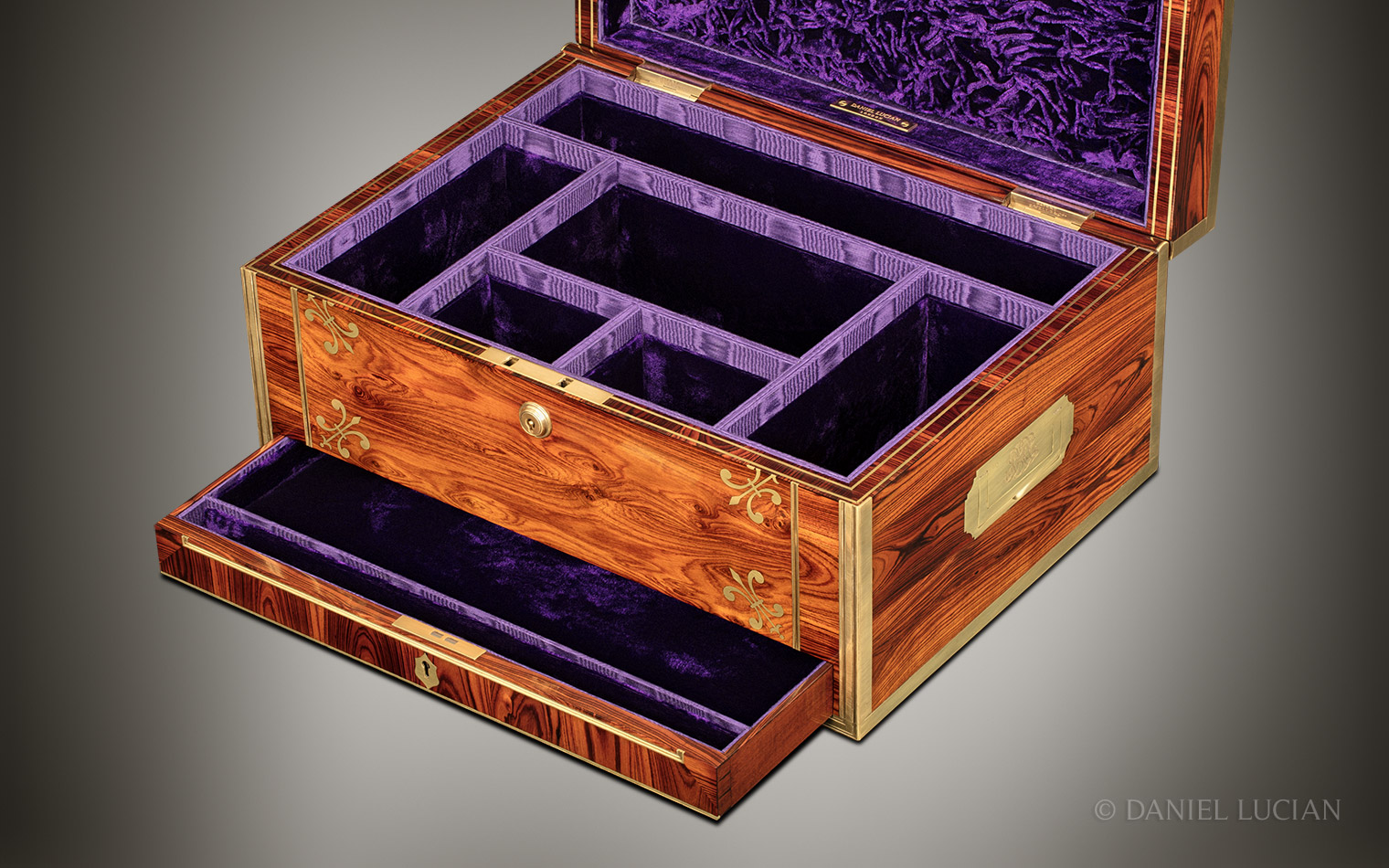
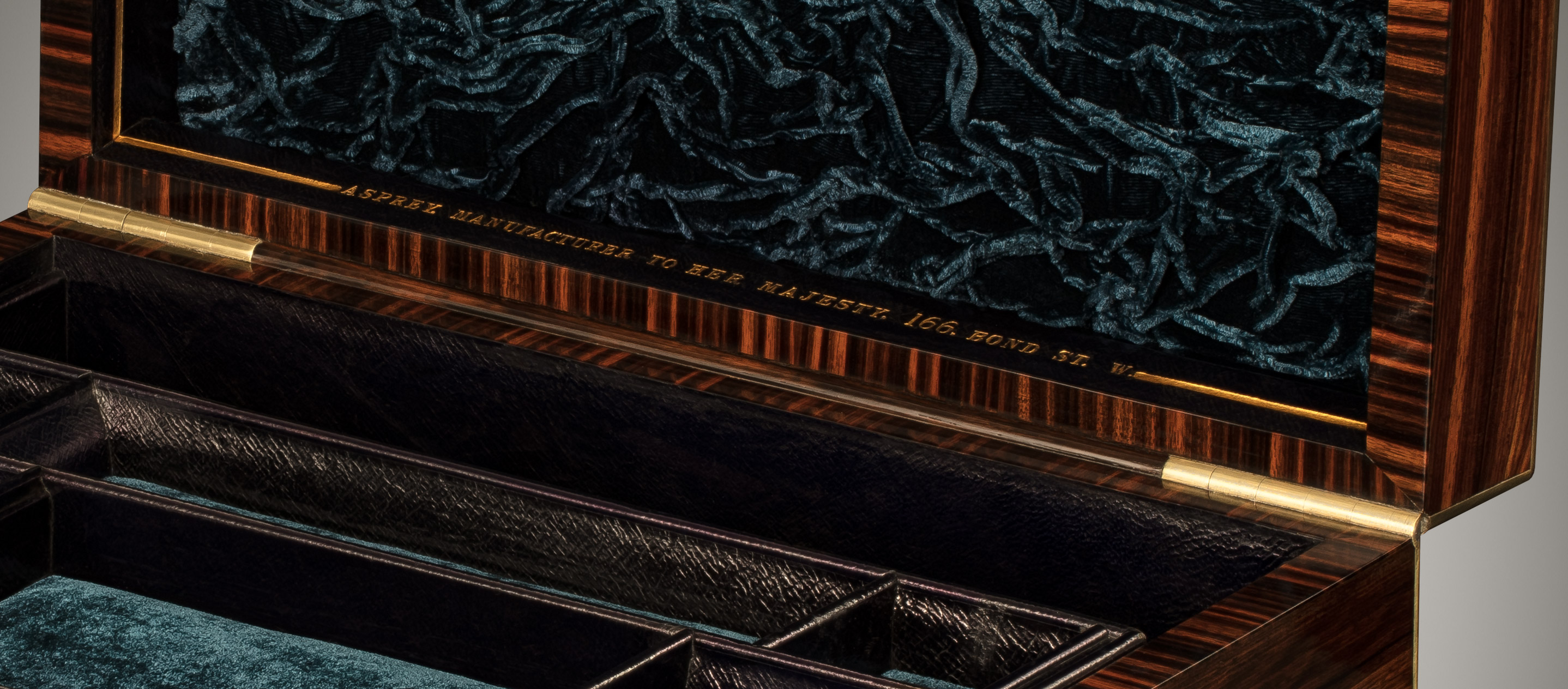
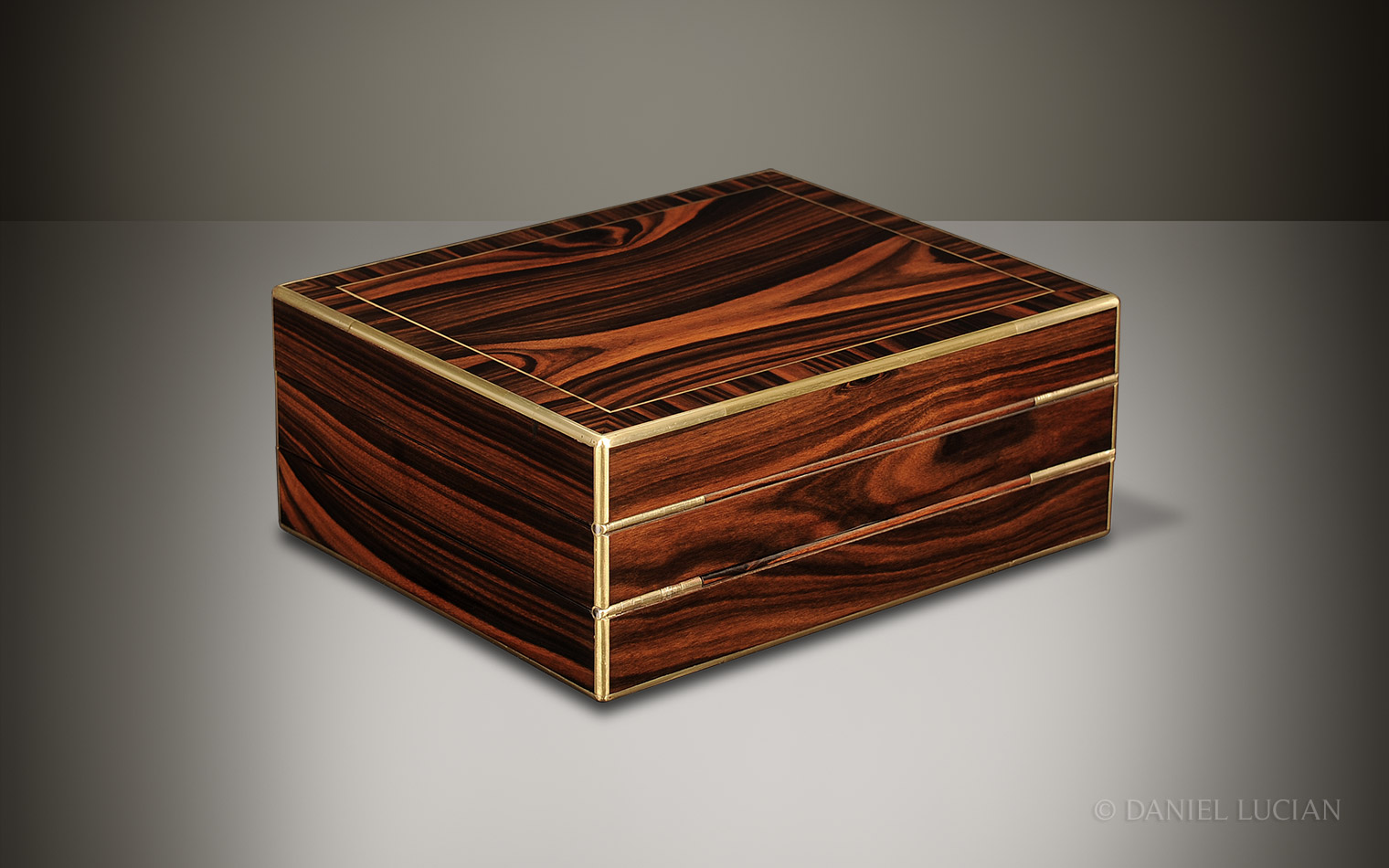
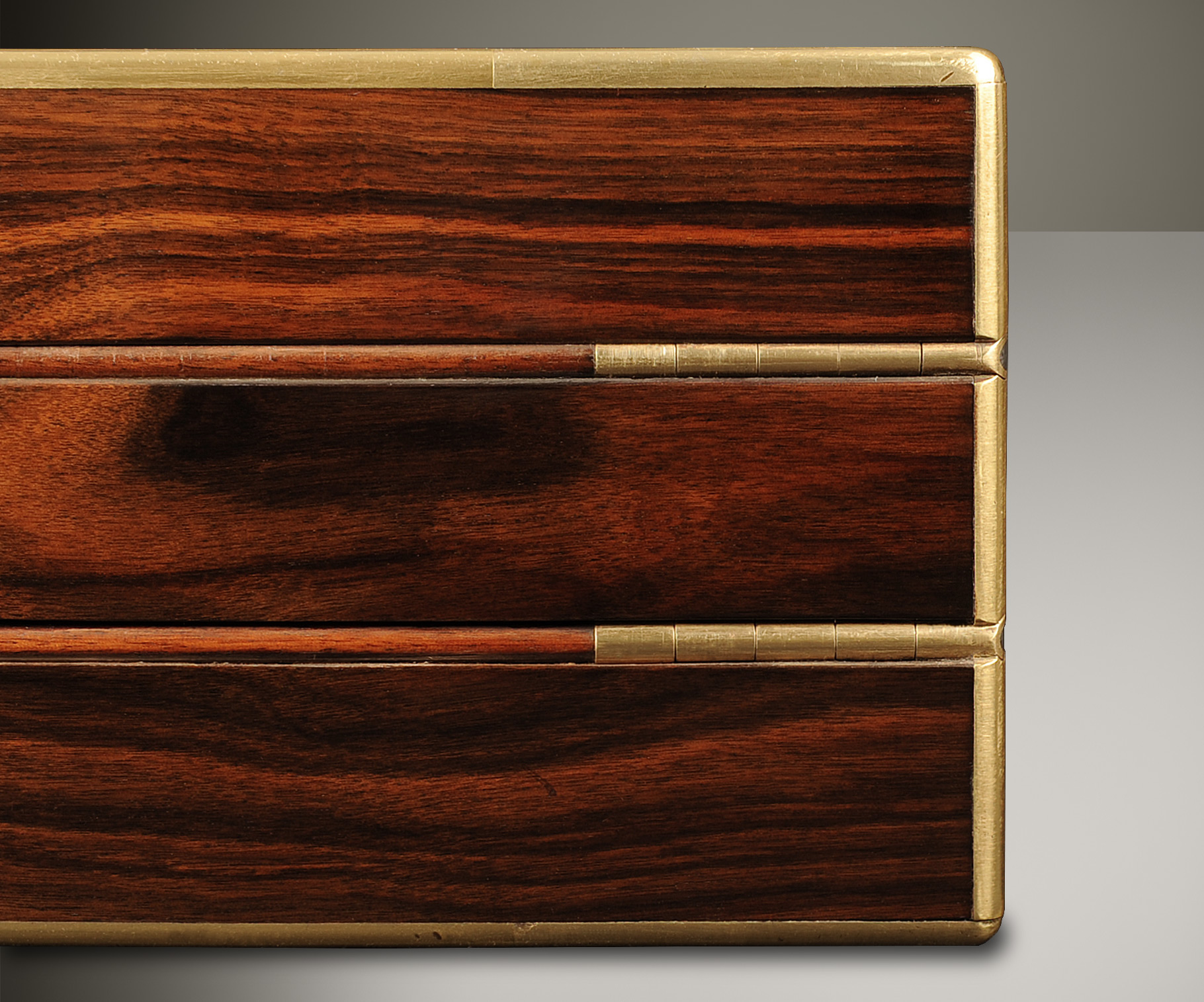
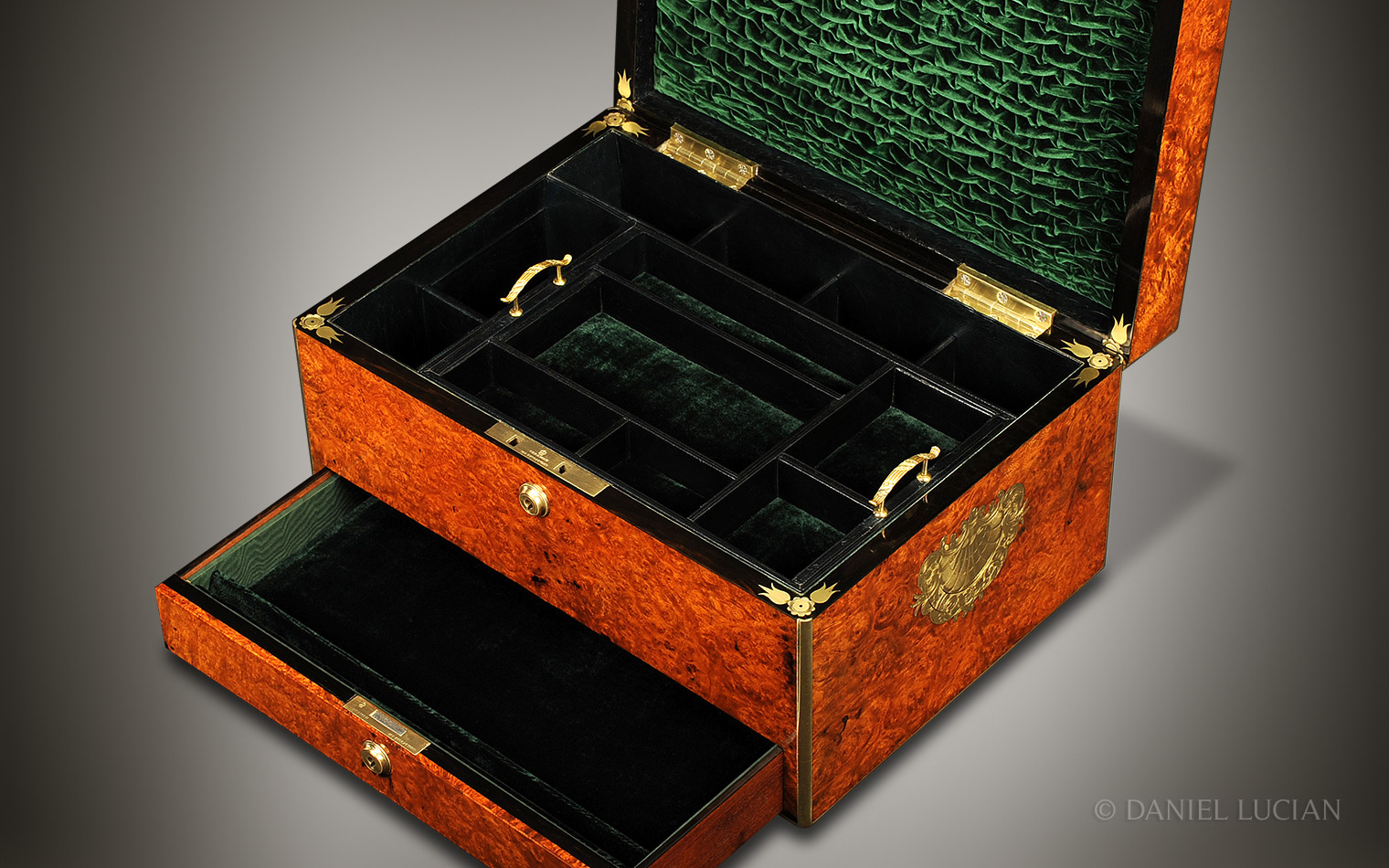
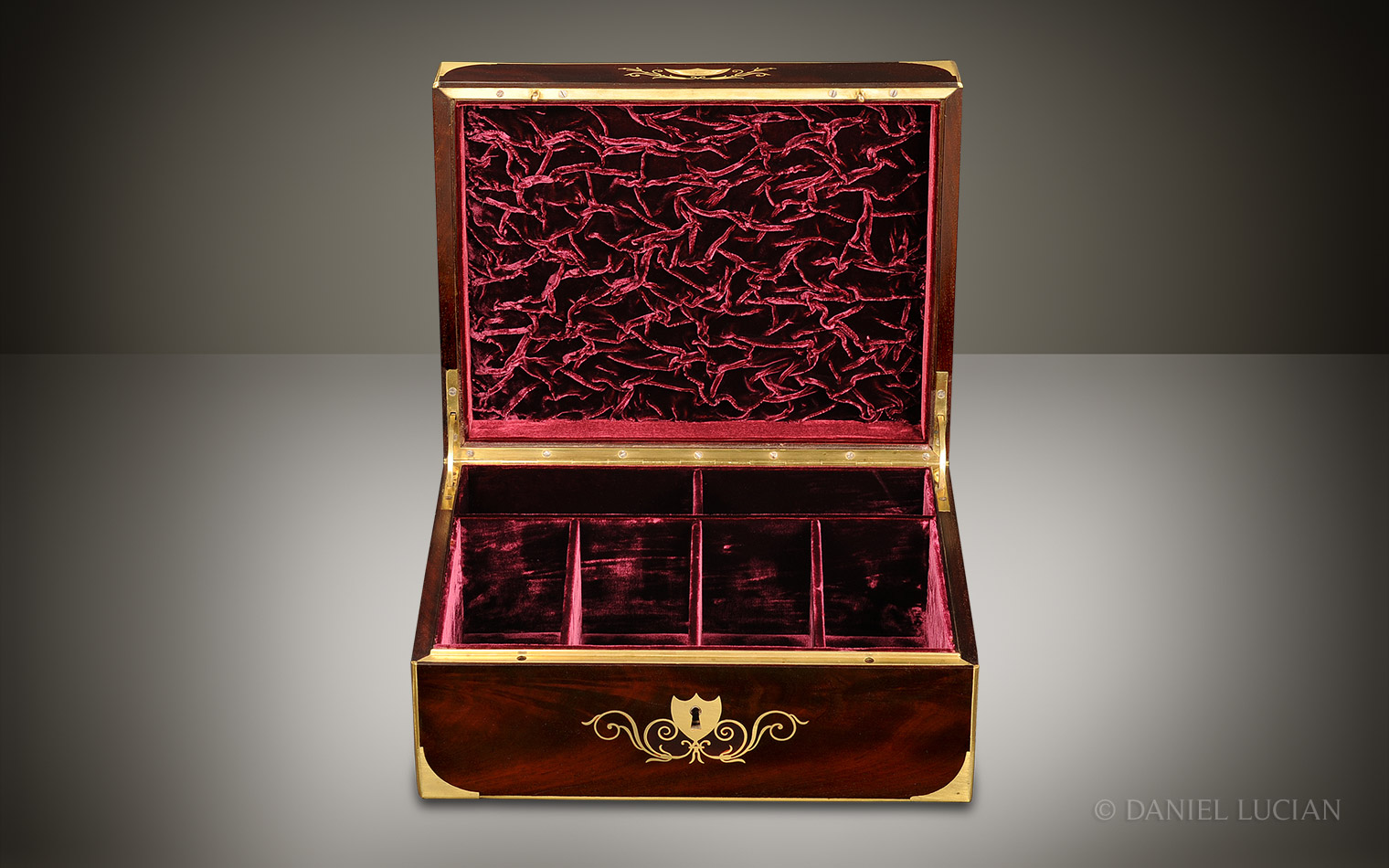
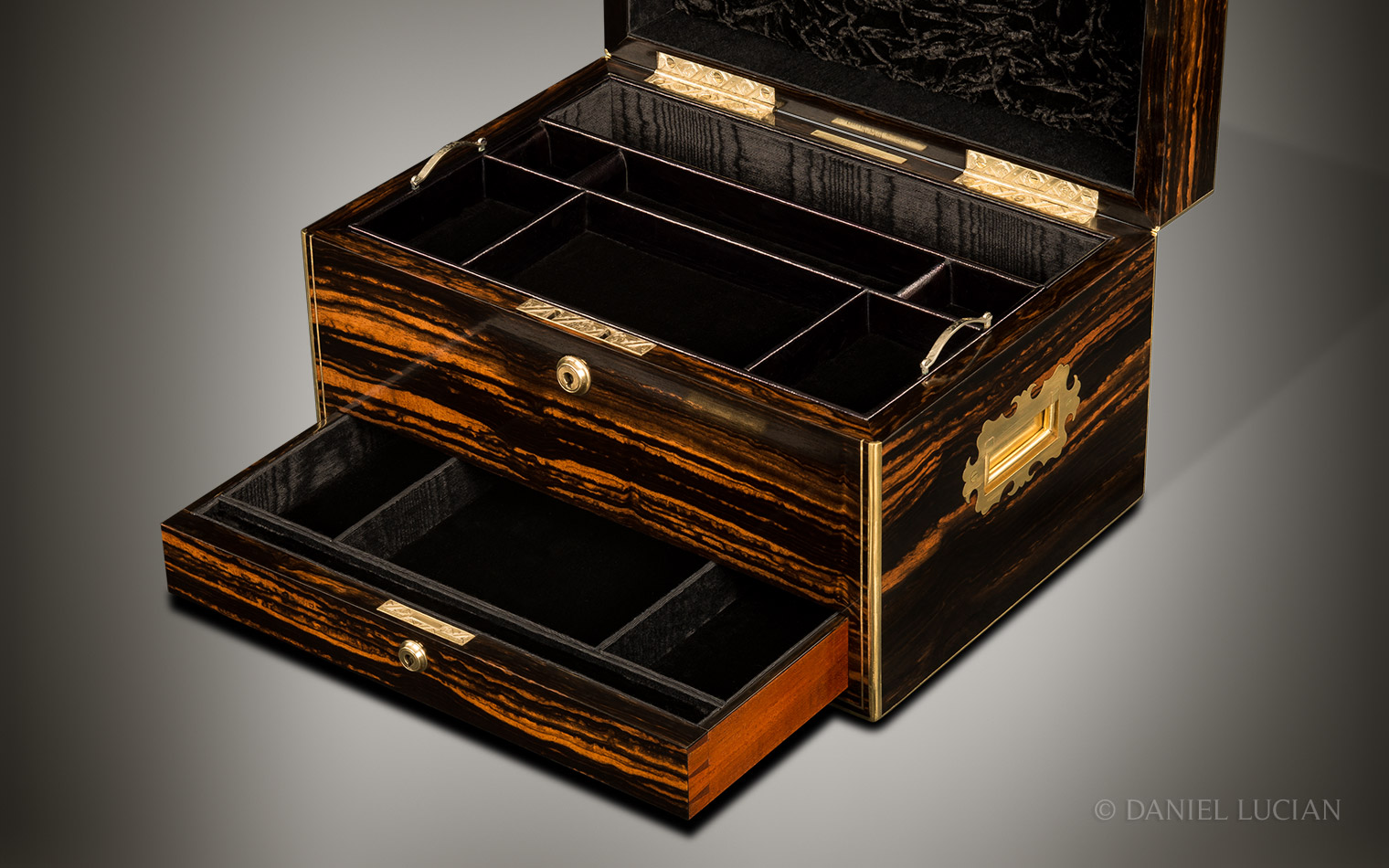
Brass hinges connected the lid to the main body of the box and were produced in numerous forms, their design determined by both practical requirements and appearance. Most boxes, with the notable exception of many writing boxes, were fitted with stop hinges that held the lid open at approximately a right angle.
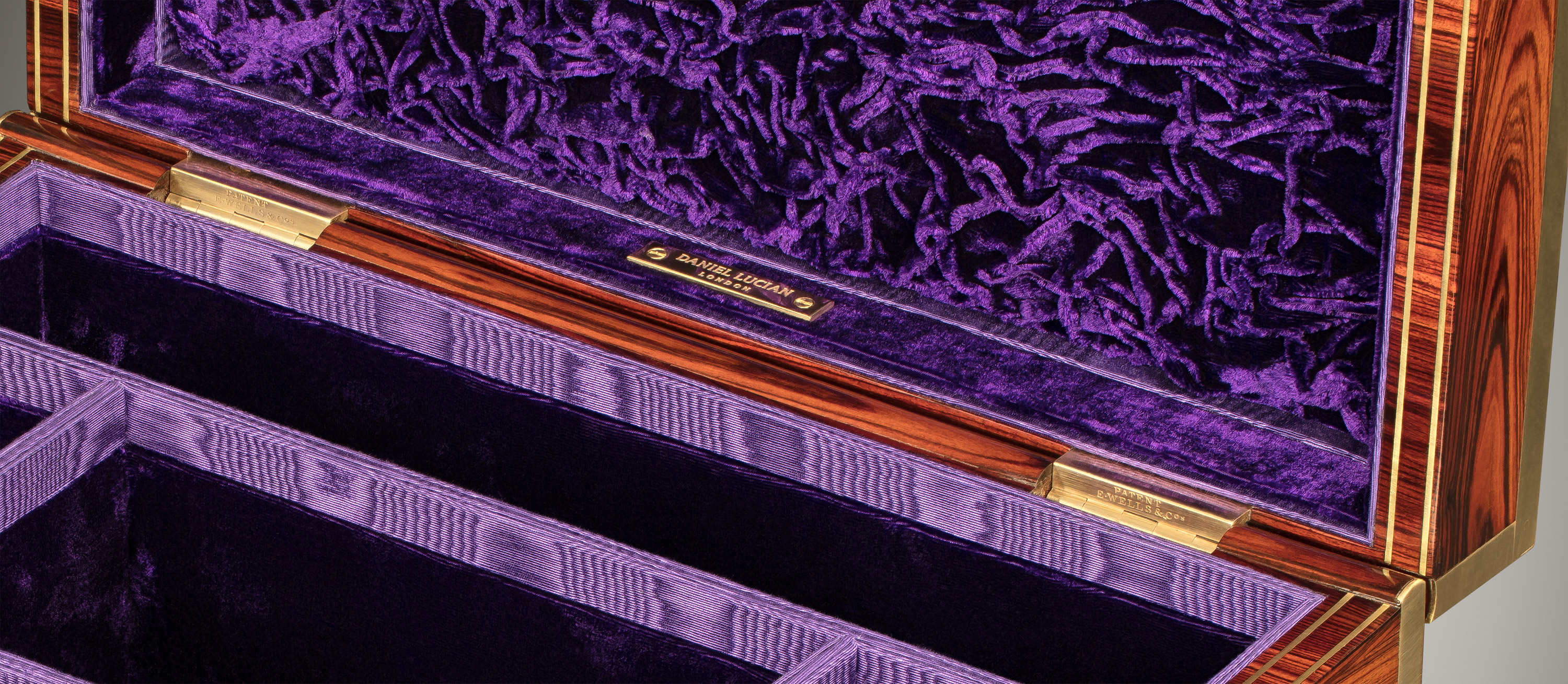
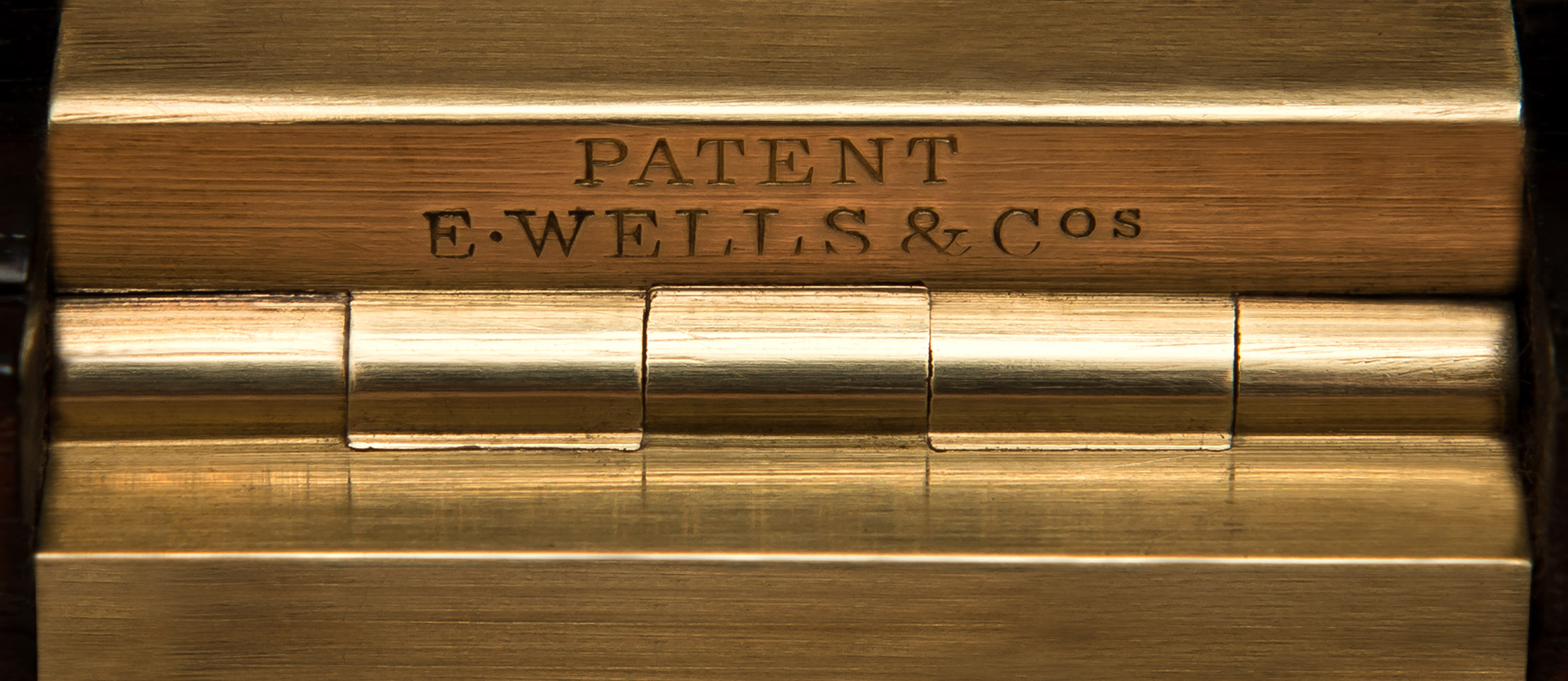
Larger or heavier boxes required more substantial hinges, particularly where the lid incorporated a mirror or other fitted components. E. Wells & Co. Patent hinges were designed to fasten securely into the main structure of the box and lid rather than simply through the interior rims. Their fixings were concealed, leaving only the compact block of the hinge visible. Edwards developed a similarly discreet patented hinge, fitted into the core structure of the box so that little more than the rotating barrel remained visible.
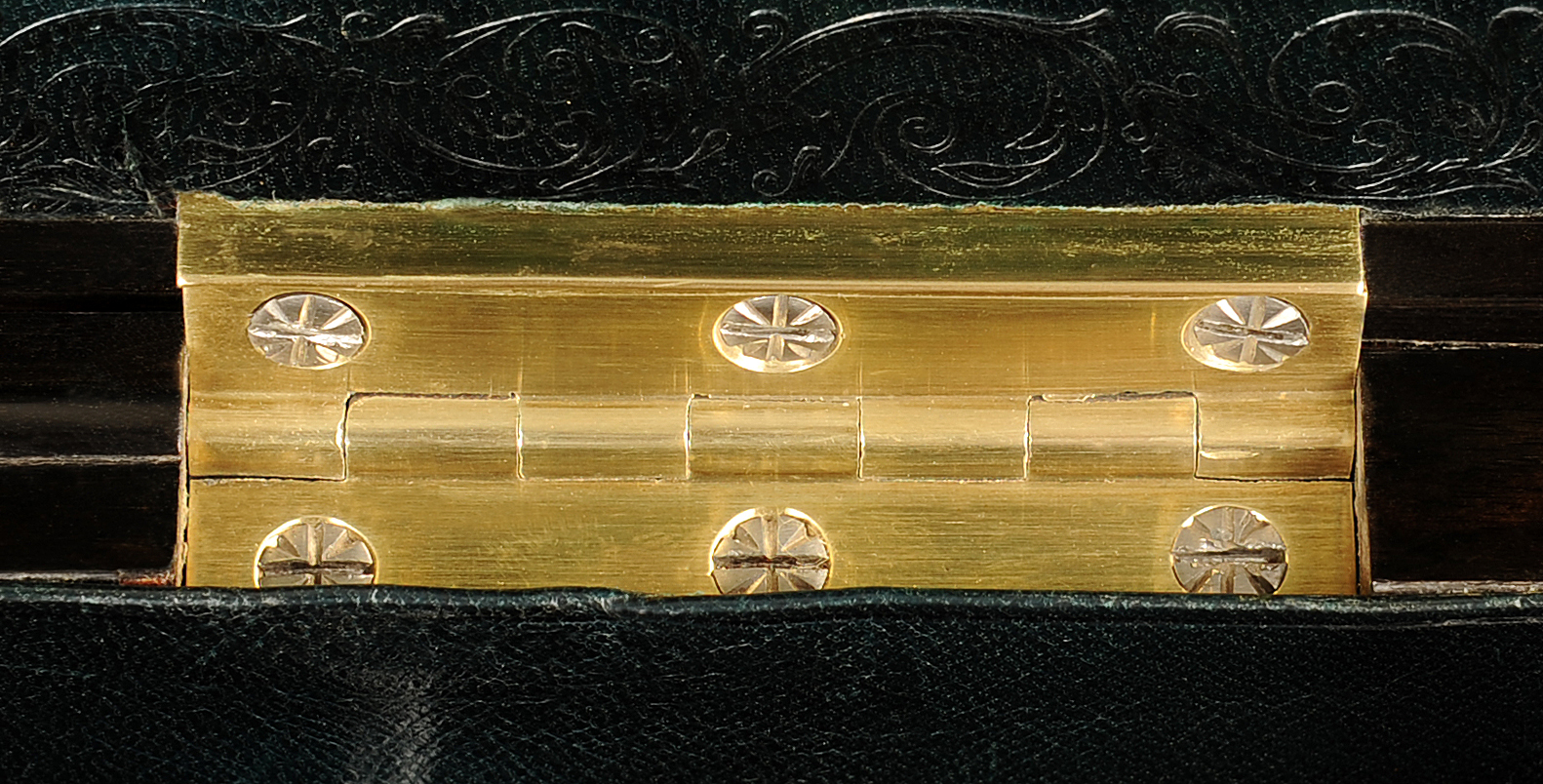
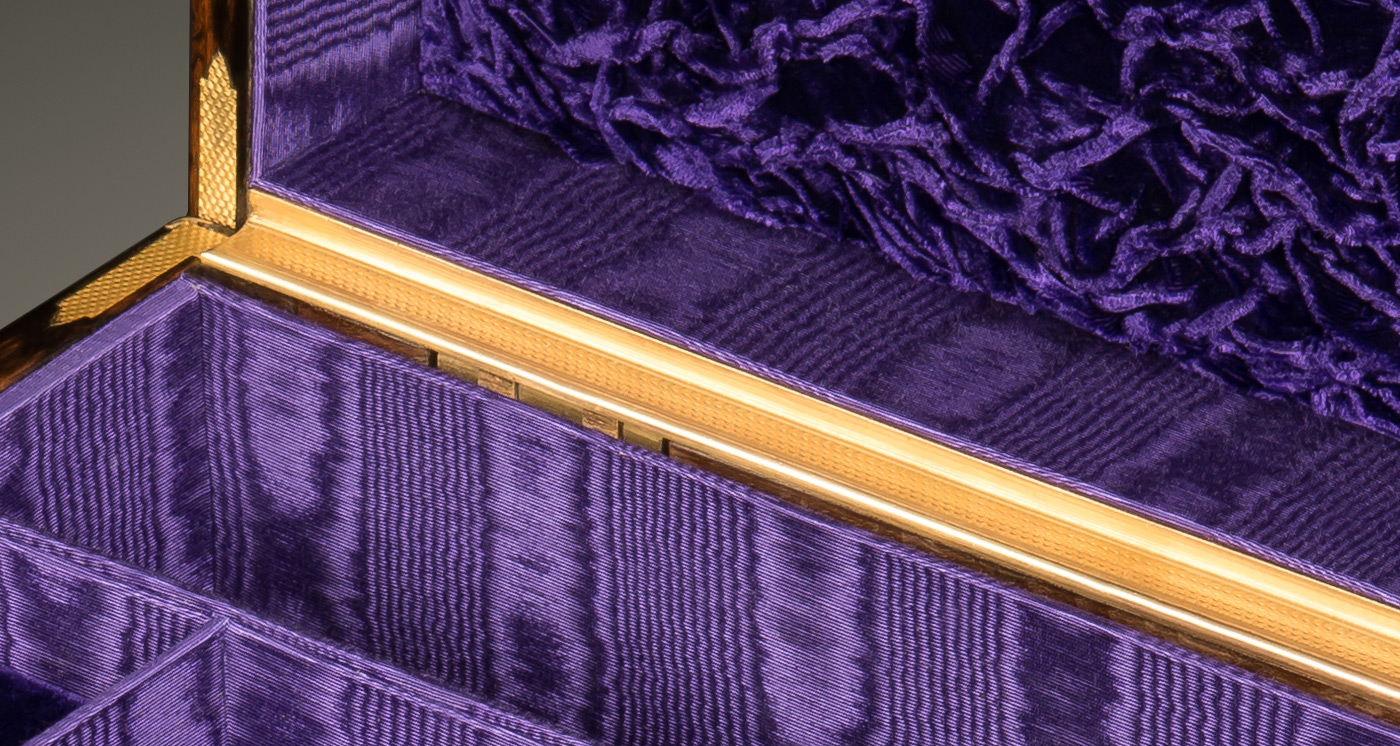
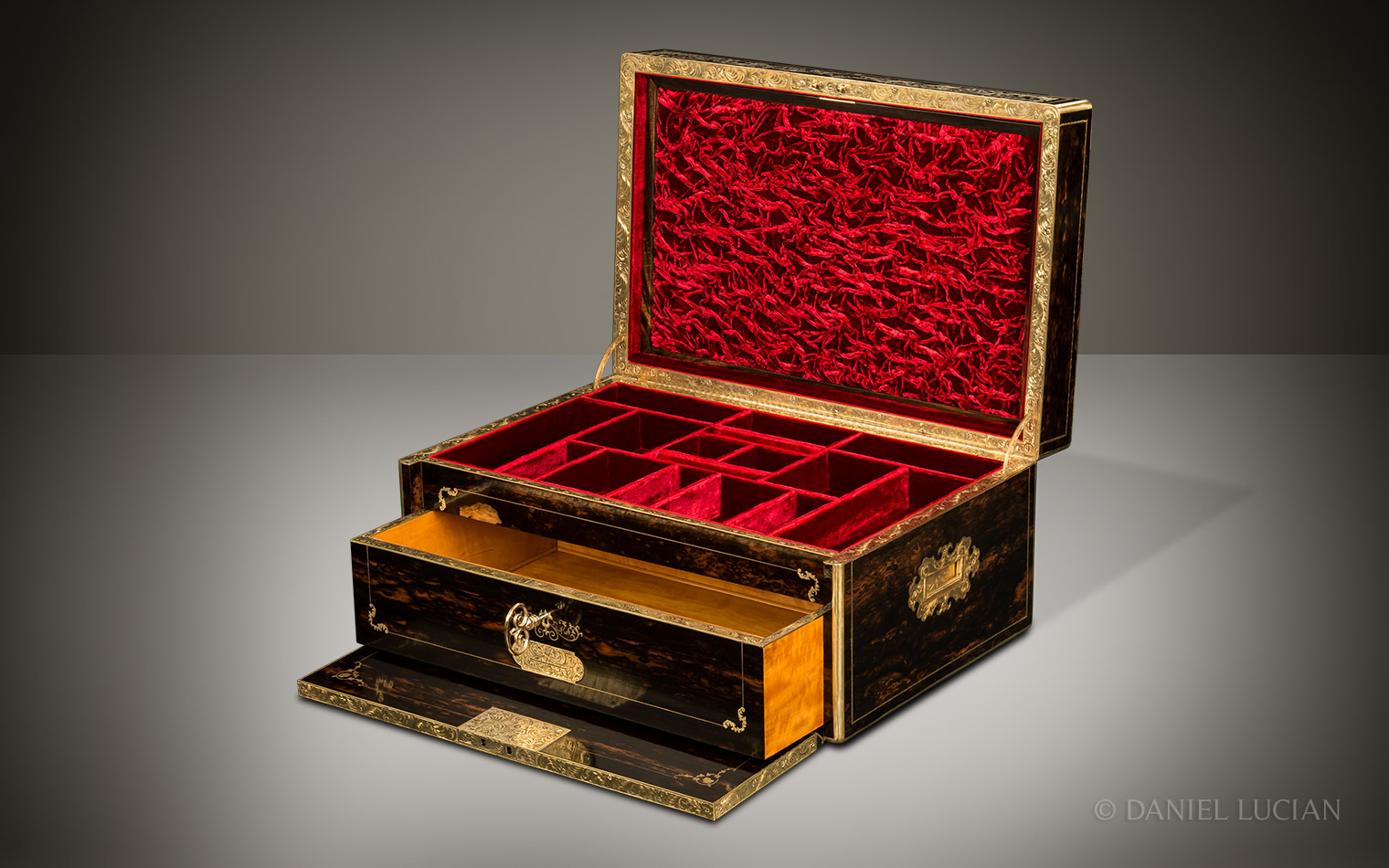
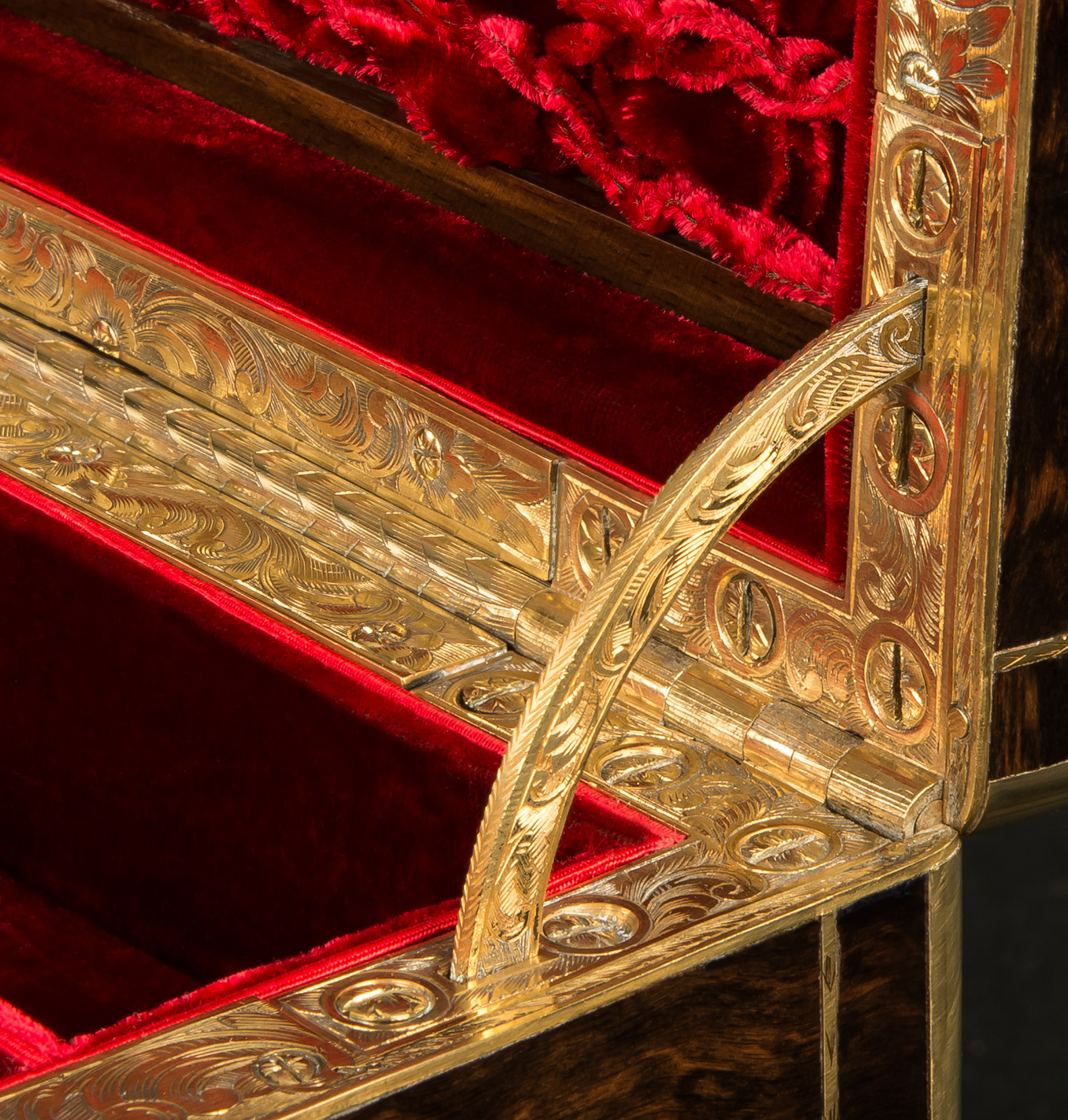
Hinges could also contribute significantly to the decoration of an interior. Some were finely engraved, while even their screw heads might be decorated with carefully cut incisions.
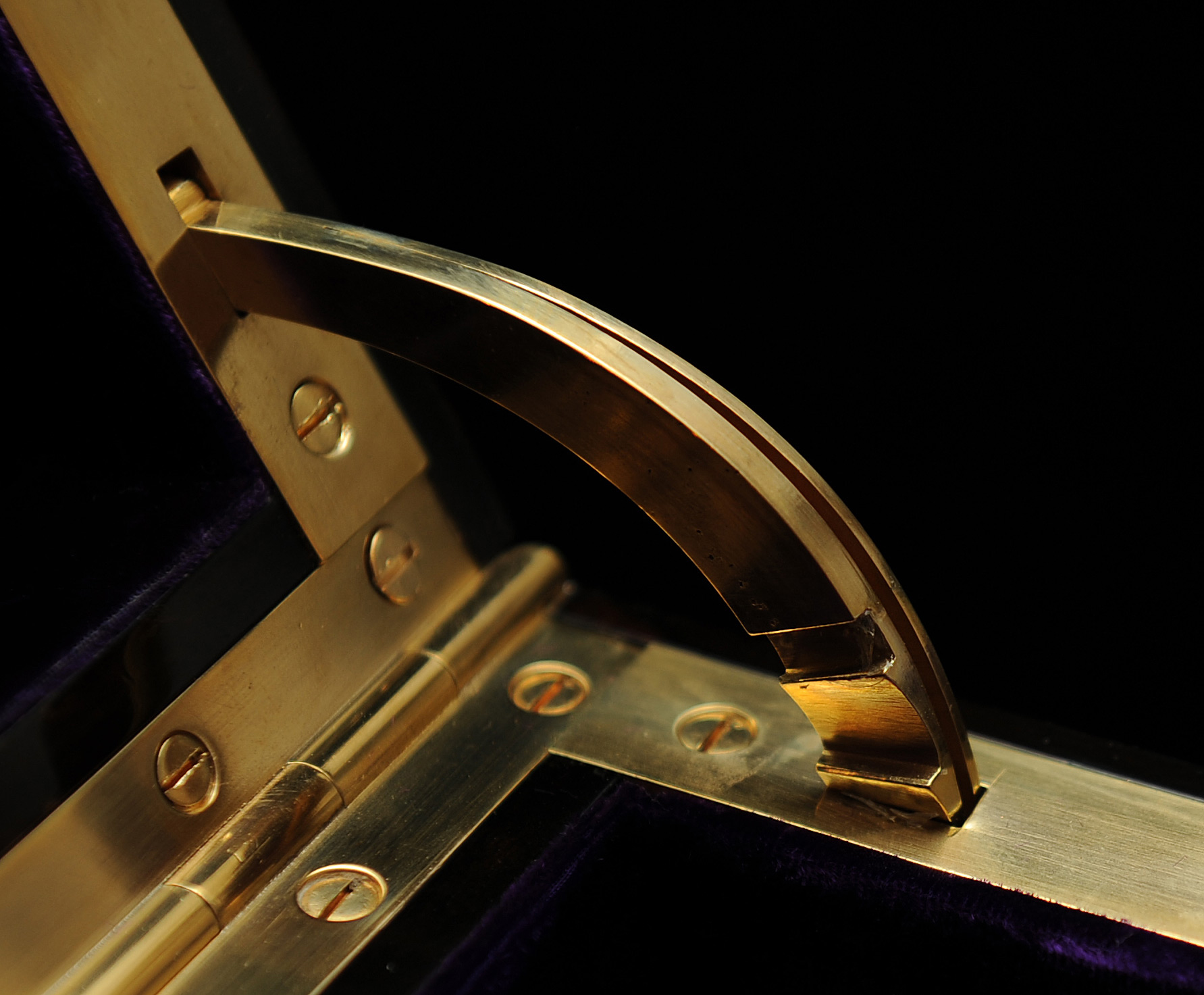
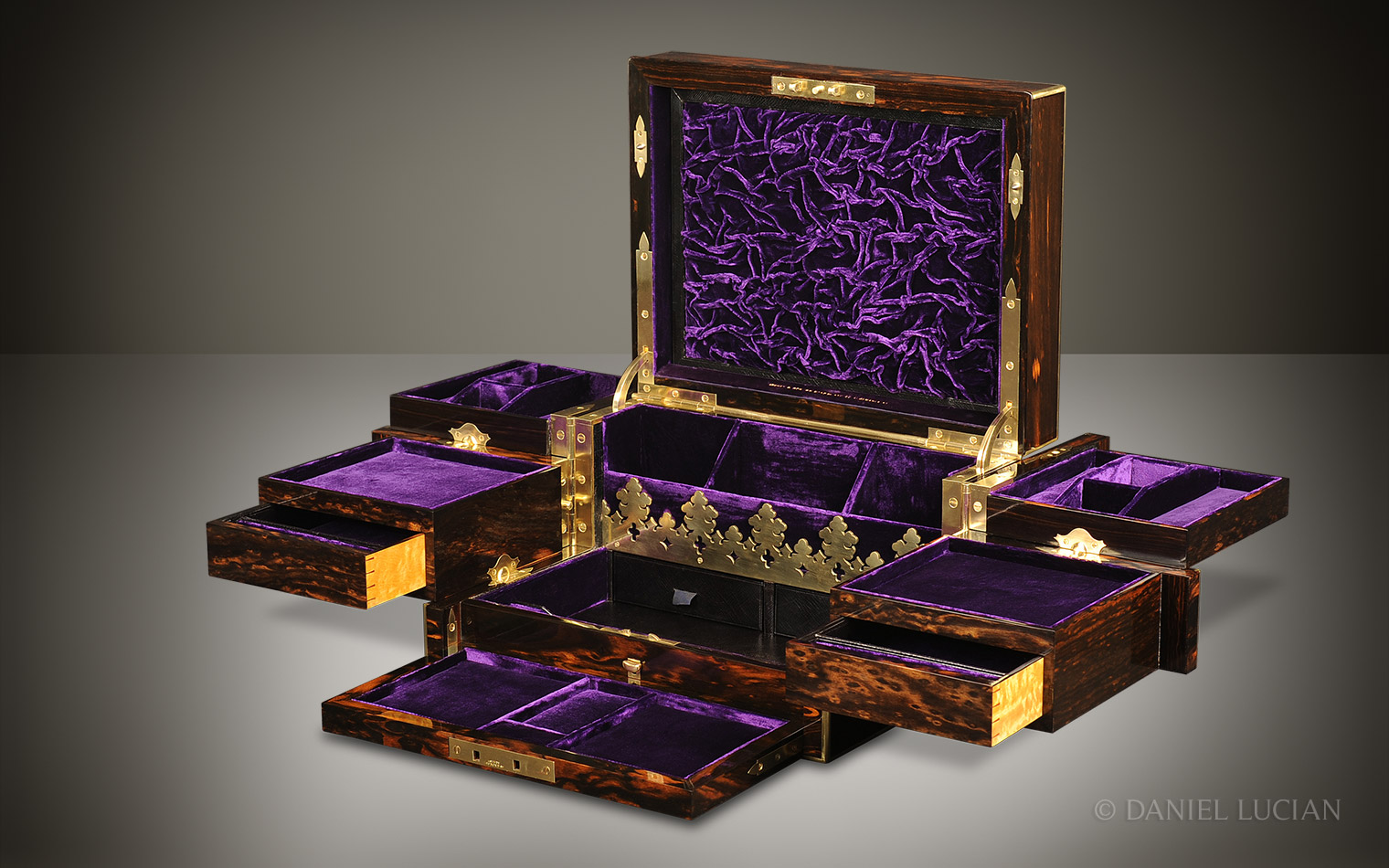
Larger French and Victorian boxes sometimes incorporated arched brass stays to support the lid and reduce strain on the hinges. Where a mirror was fitted within the lid, these stays could be notched or ridged to allow its viewing angle to be adjusted.