Walnut and Burr Walnut
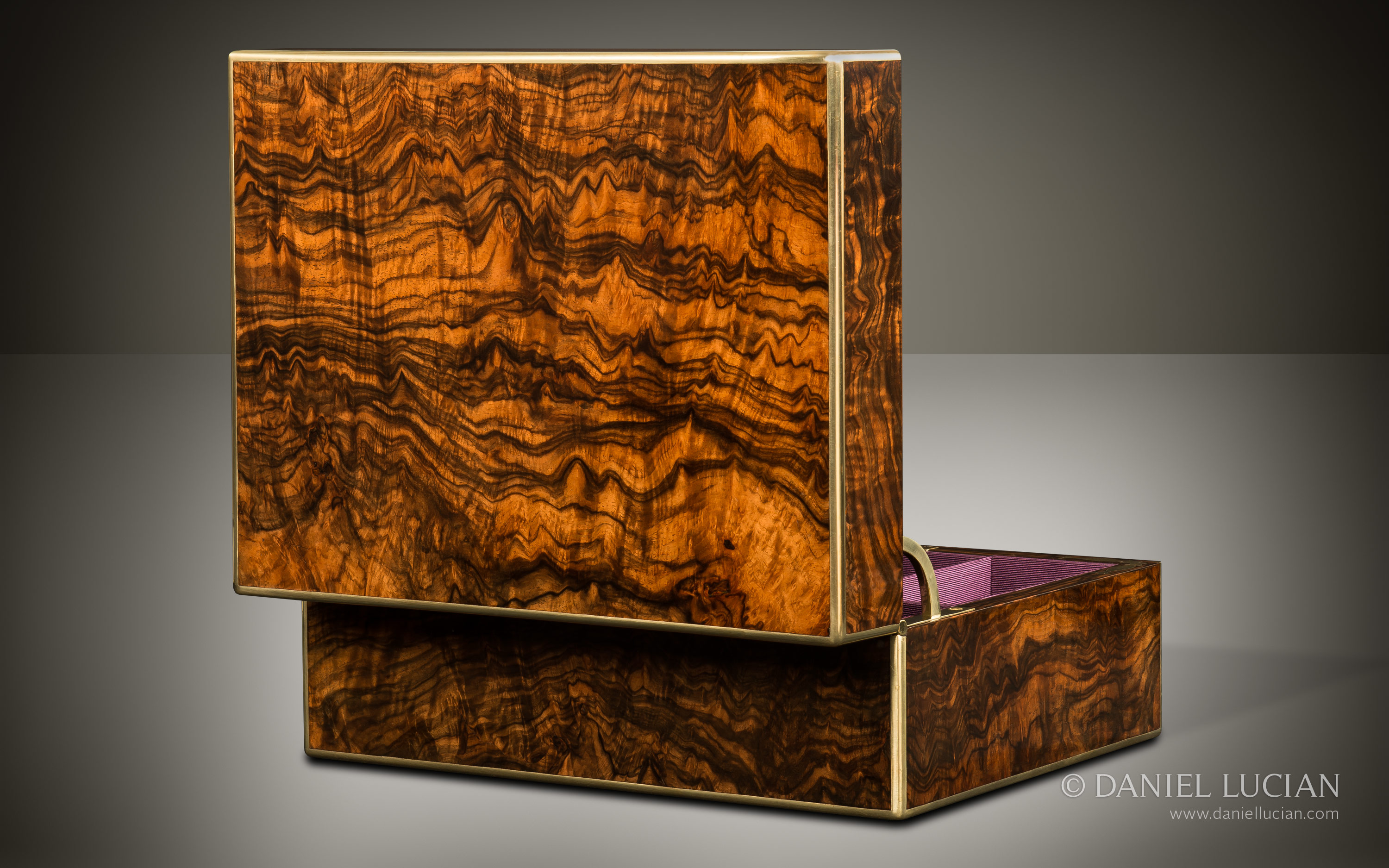
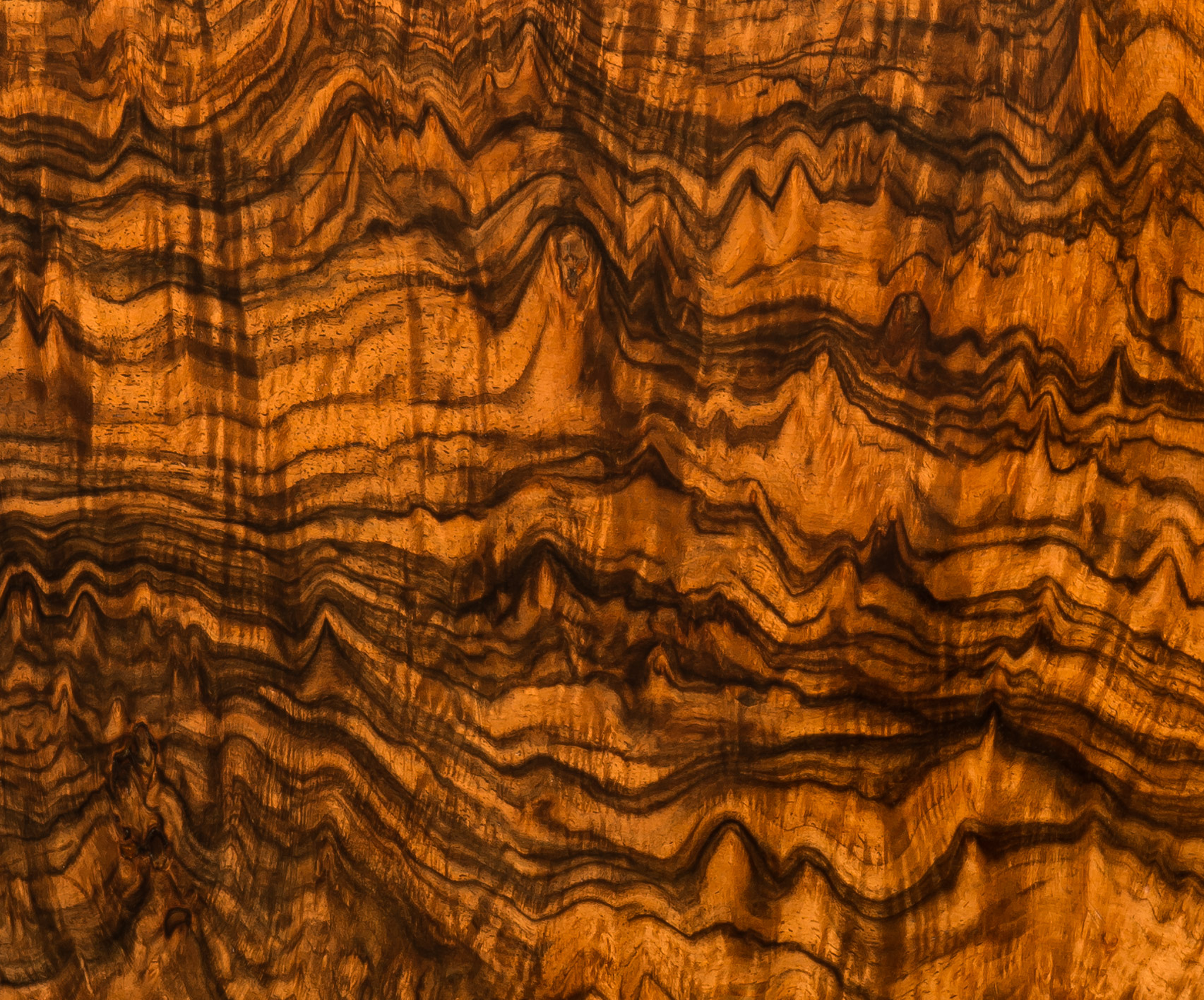
Walnut has been used in furniture and cabinetmaking for many centuries, both in solid form and as a decorative veneer. Its colour can range from warm golden brown to a much deeper brown, while the grain varies considerably from relatively plain timber to highly figured forms.
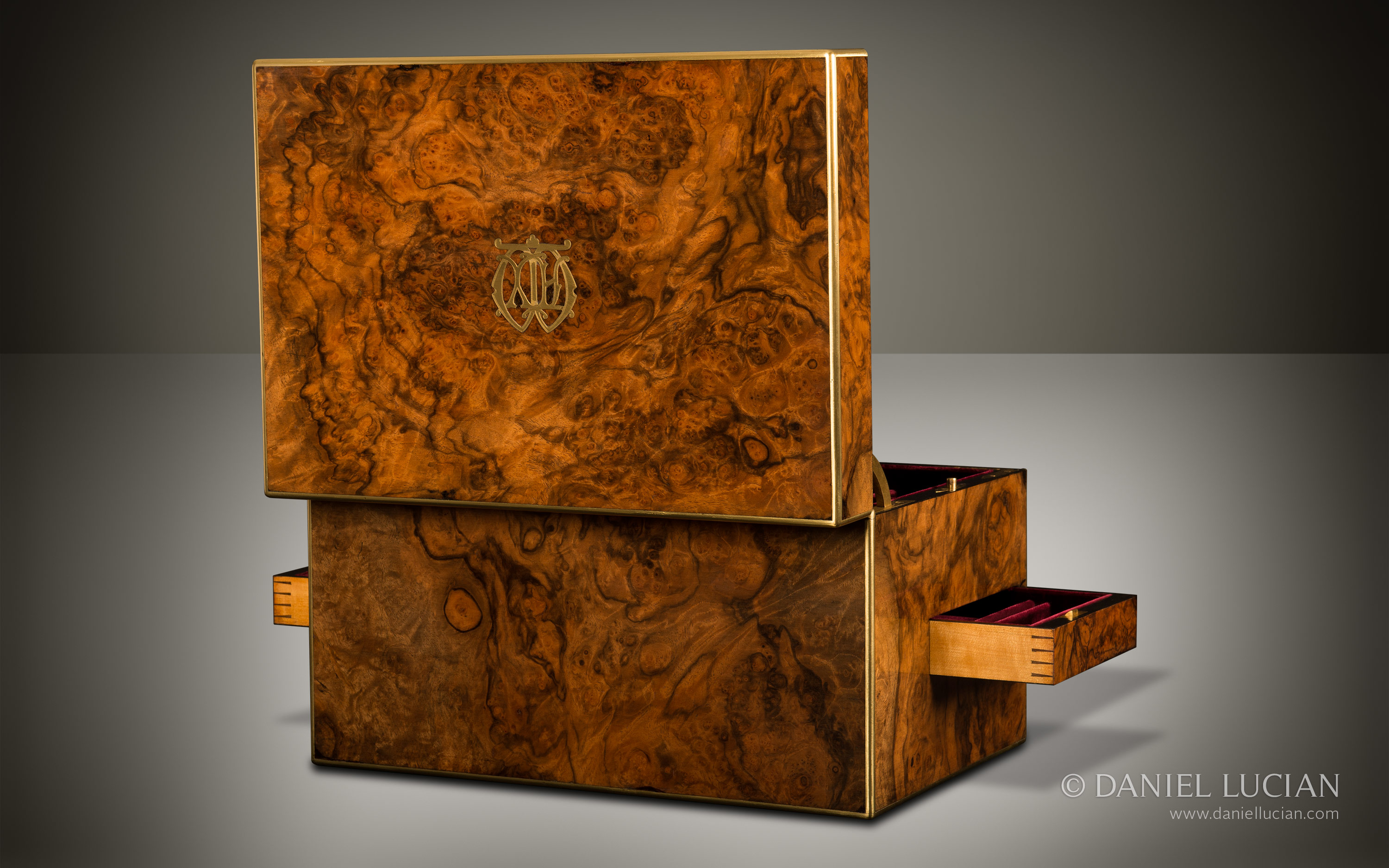
Figured walnut was particularly prized for veneering, with burr walnut among the most decorative forms. Known as burl walnut in American English, burr walnut is obtained from irregular growths that develop around the roots, base or other areas of the tree. When cut into veneer, the complex grain produces the characteristic swirling patterns, knots and small ‘eyes’ for which burr walnut is valued.
As suitable burrs occur only in particular parts of the tree, large uninterrupted sheets of veneer can be difficult to obtain. On larger pieces of furniture, separate sections were therefore carefully selected and matched, often creating symmetrical patterns while allowing relatively small pieces of highly figured timber to cover a much greater surface.