Bramah
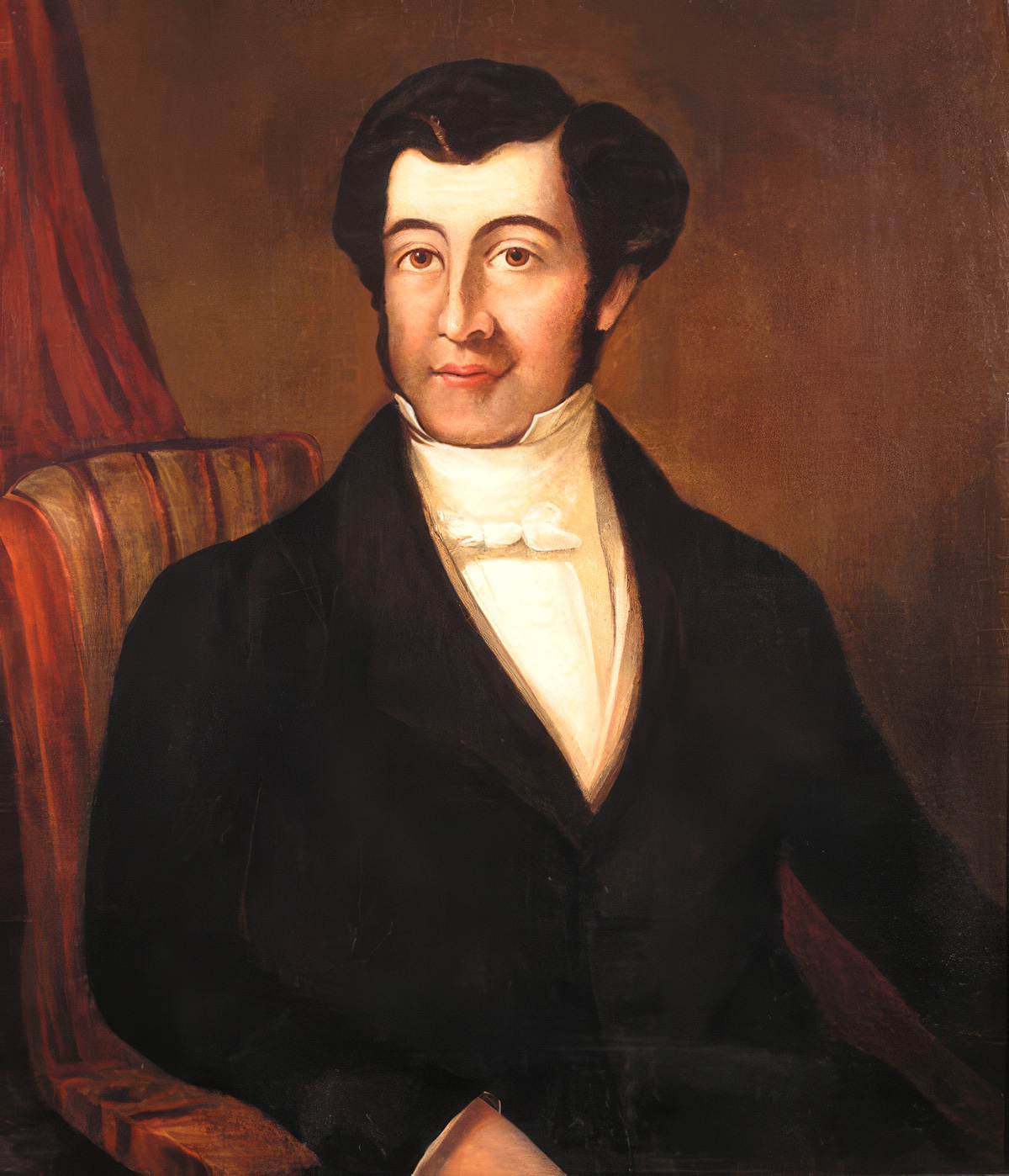
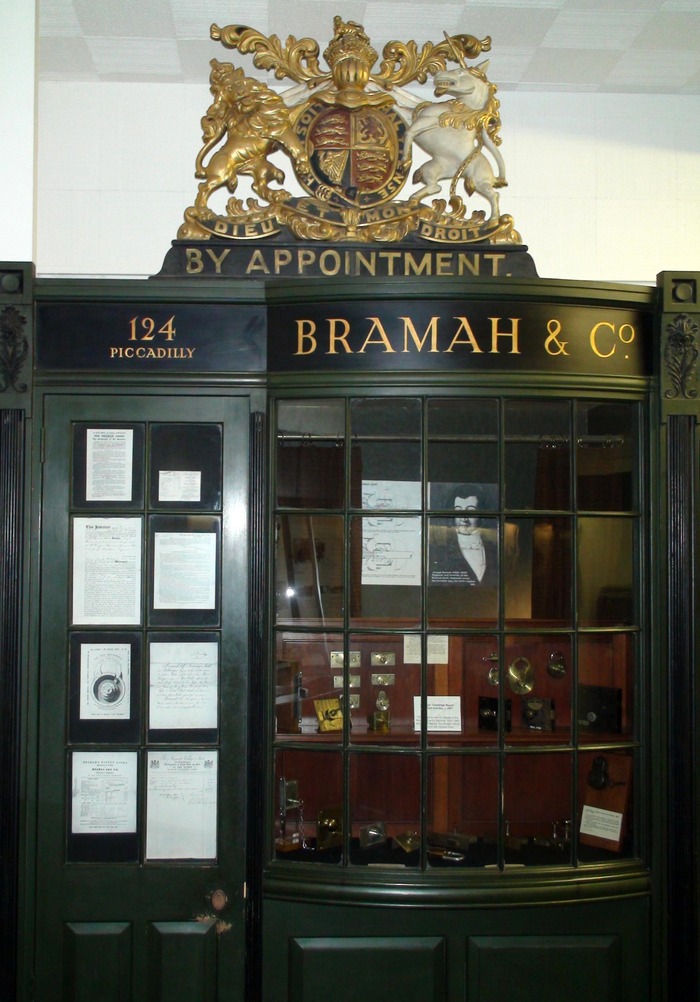
Joseph Bramah initially trained as a cabinetmaker before turning his attention to mechanical engineering and invention. In 1784, after attending lectures on lockmaking, he patented his first lock and in the same year established the Bramah Locks Company at 124 Piccadilly, London.
Bramah was a prolific inventor, patenting a number of notable developments including an improved flushing toilet, a banknote printing press and the hydraulic press.
The technical achievement and level of security offered by Bramah’s locks were considered far beyond those of his contemporaries. Working with his chief engineer, Henry Maudslay, who joined Bramah’s workshop around 1789 and played an important role in developing the precision machinery required to manufacture the locks, Bramah continued to refine his invention.
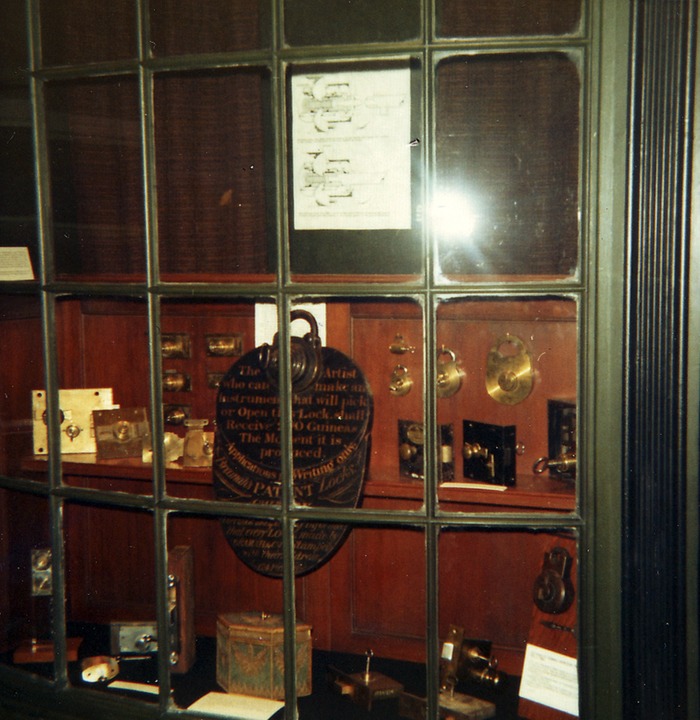
Around 1790, what became known as the 'Challenge Lock' was displayed in the window of Bramah’s Piccadilly premises with the notice:
“The artist who can make an instrument that will pick or open this lock shall receive 200 guineas the moment it is produced.”
Joseph’s son Timothy joined the business in 1813, prompting the name change to Bramah & Son. Joseph Bramah died the following year, never seeing his Challenge Lock defeated.

In the years that followed, articles began to appear in the press questioning the absolute security of some Bramah locks, suggesting that through an exhaustive and methodical process they could indeed be picked. In response, one of Bramah’s employees, William Russell, introduced an important modification in 1817: false notches were added to the internal sliders. These were designed to mislead anyone attempting to determine the correct positions required to release the mechanism, considerably increasing the difficulty of picking the lock.
During the early 1820s, Joseph’s other two sons, Francis and Edward, also became partners in the business, which then became known as Bramah & Sons. They were later joined by Joseph’s nephew, John Joseph Bramah.
Joseph Bramah’s lock challenge remained unanswered for more than sixty years, until the time of the Great Exhibition of 1851. Alfred Charles Hobbs, an American locksmith, eventually succeeded in opening the Challenge Lock after 51 hours of work spread over 16 days. His achievement became the subject of considerable dispute and controversy, although the appointed referees ultimately accepted that he had successfully opened the lock and Hobbs received the 200-guinea reward (about £26,000 in today’s money). See our page on Bramah’s Challenge Lock.
Bramah subsequently argued that the lock on which Hobbs had worked was nearly forty years old and contained a number of weaknesses that had since been corrected, including iron rather than steel sliders, an oversized keyhole and fewer security notches than were used in their contemporary locks.
At the Great Exhibition of 1851, Bramah were themselves awarded a Prize Medal for their locks and castings, with particular praise for the “smallness of key in proportion to size and strength of lock”.
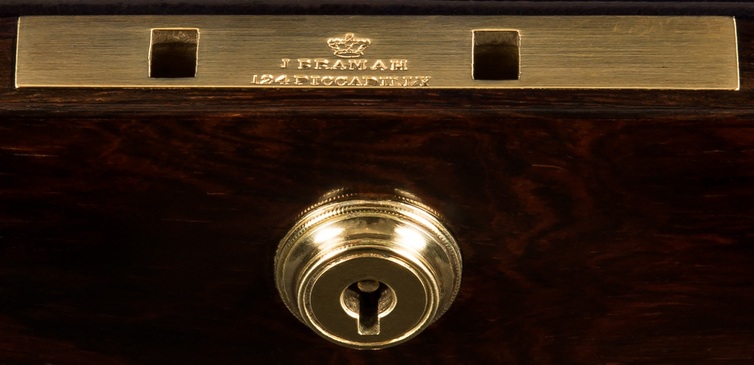
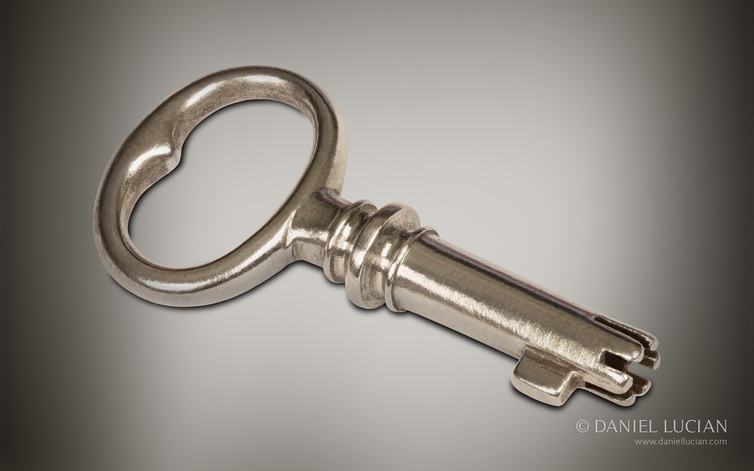
By 1871, Bramah & Sons was in the ownership of J. T. Needs & Co. of 128 Piccadilly, London. In 1901, J. T. Needs was acquired by the Whitfield Safe & Lock Company. Three years later, the business name was officially changed back to Bramah & Co., which continues as a locksmith company today.
See our page on Bramah locks.
Bramah, Prestage & Ball
In 1836, Francis Bramah’s son, Francis junior, entered into partnership with John Thomas Prestage, specialising in iron and brass foundry work. Branching away from Bramah & Sons, the new business became known as Bramah & Prestage and shared the 124 Piccadilly address, with additional premises at 25 Down Street.
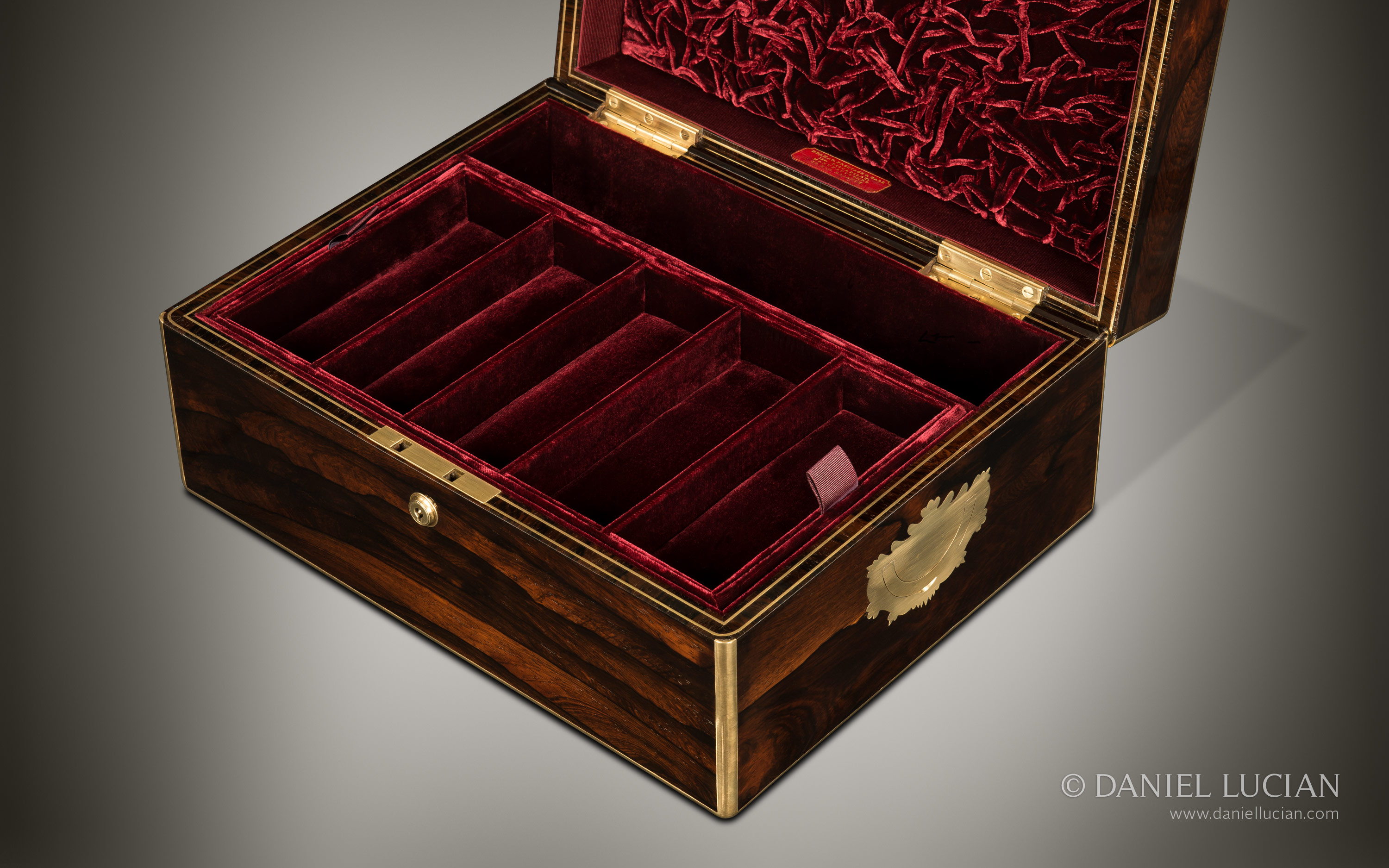
Around 1840, locksmith William Ball joined the partnership and the business became known as Bramah, Prestage & Ball. In addition to iron and brass foundry work, the firm manufactured Bramah Patent locks, dressing and travelling cases, and a wide range of stationery and travelling accessories.
Although Francis junior died in 1841, only a year after his father, the business continued under the same name.